

Build Your Scalable Dropshipping Website Faster With AI
Build a scalable dropshipping website with product management, order workflows, and customer communication designed for modern online stores.










Why Emergent is the Best Way to Build Dropshipping Websites
Traditional ecommerce builders force store owners to juggle multiple apps, manual workflows, and disconnected systems just to keep operations running. Emergent simplifies this by helping you launch and manage a scalable dropshipping business from one unified platform.
| Traditional Builders |  |
|
|---|---|---|
| Store setup | Requires manual theme setup, plugin installation, and complicated store configuration | Launch a complete dropshipping website in minutes to a few hours |
| Product imports | Products must be uploaded and managed manually across disconnected tools | Add and organize large product catalogs quickly through structured workflows |
| Order management | Order tracking often relies on multiple apps and manual coordination | Manage orders and customer updates from one centralized system |
| Inventory synchronization | Inventory mismatches lead to overselling and frustrated customers | Keep inventory synchronized across products and suppliers automatically |
| Customer communication | Support requests get scattered across emails and platforms | Manage inquiries and updates from a unified workflow |
| Store customization | Customizing layouts often requires technical setup or developer support | Create and refine store layouts through simple prompts |
| Marketing workflows | Running campaigns requires connecting fragmented third-party tools | Manage campaigns, promotions, and customer flows more efficiently |
| Integration setup | Integrations are time-consuming, fragmented, and difficult to maintain | Connect suppliers, CRMs, and tools easily using API keys |
| Scalability | Managing larger catalogs and growing traffic becomes difficult quickly | Scale products, workflows, and operations without operational chaos |
| Time to launch | Launching a functional store can take days or weeks | Go from idea to live website in minutes to a few hours |

Build a Dropshipping Website That Can Actually Scale

Reduce operational chaos caused by disconnected ecommerce tools
Many dropshipping businesses rely on separate apps for inventory, orders, tracking, and customer communication, which quickly becomes difficult to manage as sales increase. A centralized website setup helps reduce operational bottlenecks and manual coordination.

Improve customer trust and reduce abandoned purchases
Customers hesitate to buy from stores that feel inconsistent, slow, or difficult to navigate. A structured dropshipping website creates a smoother buying experience that improves credibility and encourages completed purchases.
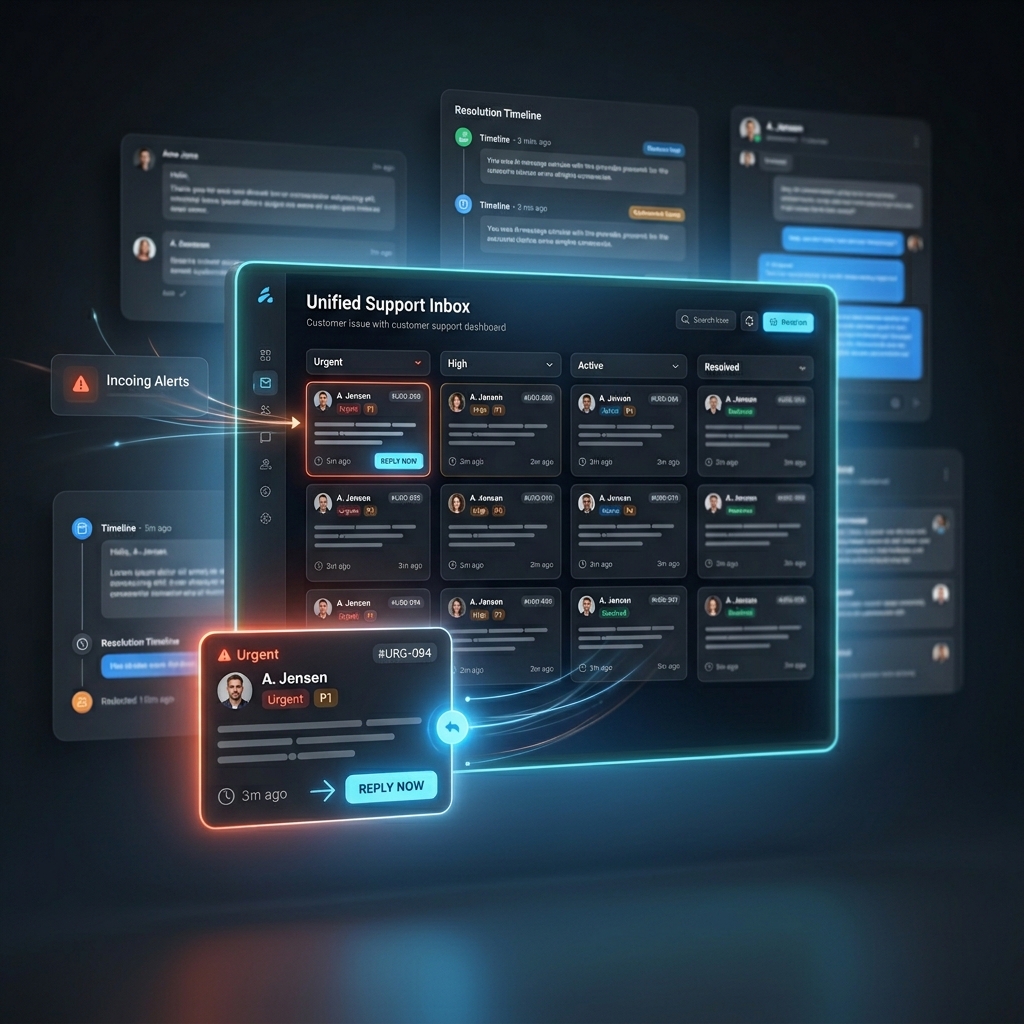
Respond faster to customer issues and order concerns
Support requests often pile up across emails, chats, and order systems, leading to delayed responses and frustrated customers. Organizing communication workflows helps resolve issues before they damage customer satisfaction.

Adapt product strategy based on real buying behavior
Many store owners continue promoting low-performing products because they lack visibility into what customers actually engage with. Tracking customer behavior helps identify stronger product opportunities and improve decision-making.
How Emergent Turns Your Store Idea Into a Live Website
From choosing products to managing orders and customer communication, Emergent simplifies every step of launching and running a dropshipping website.





Build a Dropshipping System That Handles Real Ecommerce Complexity
Create a structured ecommerce operation that helps manage products, suppliers, orders, and customer expectations without relying on disconnected apps and repetitive manual work

End-to-end app development for your business
Turn ideas and spreadsheets into fully functional internal apps your team can actually use, not just plan on paper.
 Describe, don’t code:Write what you need in plain language and instantly generate the layout, components, and logic.
- Full UI in one go:Create full pages with forms, tables, filters, and charts in a single automated pass.
- Use the data you already have:Connect your spreadsheets or datasets quickly and turn them into interactive dashboards.
Product catalog and supplier organization
Dropshipping stores often become difficult to manage once product catalogs grow across multiple suppliers, categories, and fulfillment workflows
- Organize large product catalogs clearly
- Separate suppliers and collections efficiently
- Manage product variations more cleanly
- Reduce confusion across inventory workflows
End-to-end app development for your business
Turn ideas and spreadsheets into fully functional internal apps your team can actually use, not just plan on paper.
- Describe, don’t code:Write what you need in plain language and instantly generate the layout, components, and logic.
- Full UI in one go:Create full pages with forms, tables, filters, and charts in a single automated pass.
- Use the data you already have:Connect your spreadsheets or datasets quickly and turn them into interactive dashboards.
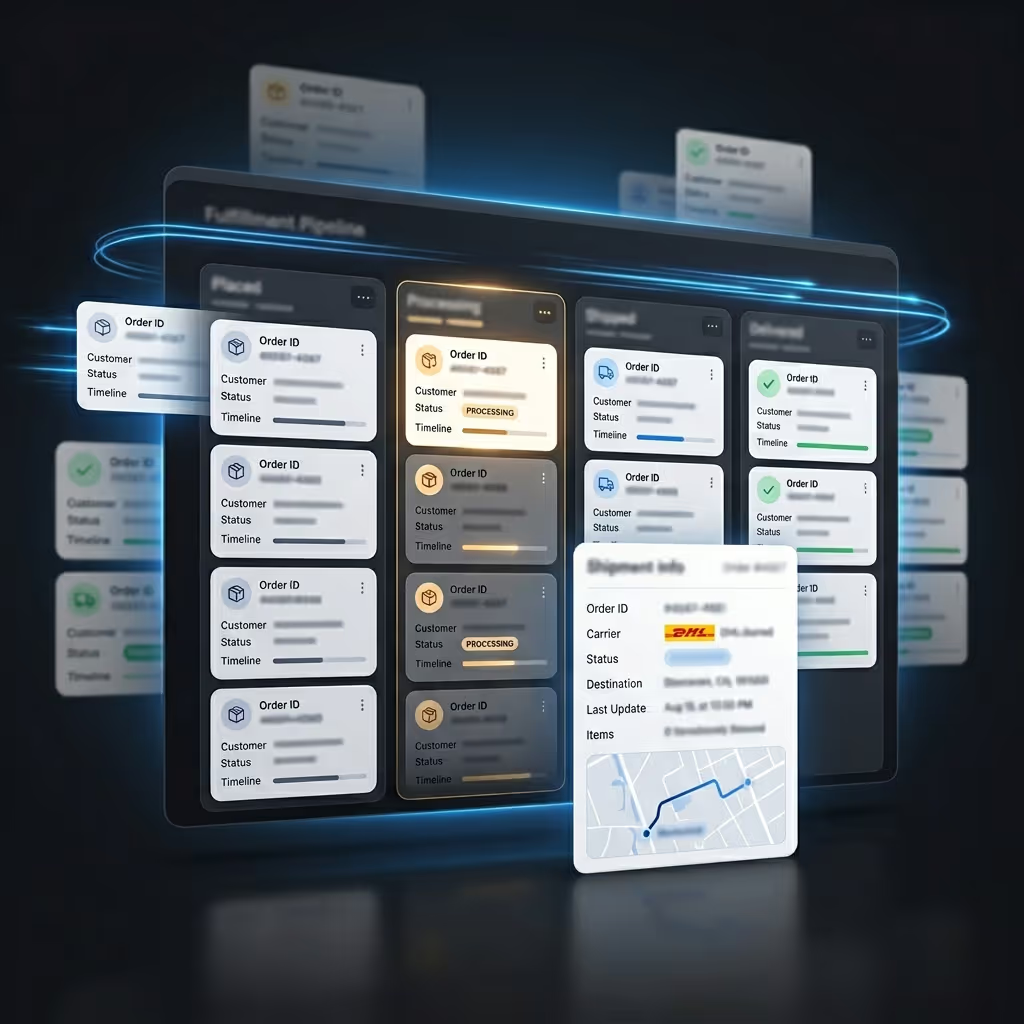
Order tracking and fulfillment coordination
Customers become frustrated quickly when order tracking, shipping updates, and fulfillment communication are inconsistent or delayed
- Centralize order tracking workflows
- Improve shipment visibility for customers
- Reduce fulfillment communication delays
- Handle multi-order tracking more efficiently
End-to-end app development for your business
Turn ideas and spreadsheets into fully functional internal apps your team can actually use, not just plan on paper.
- Describe, don’t code:Write what you need in plain language and instantly generate the layout, components, and logic.
- Full UI in one go:Create full pages with forms, tables, filters, and charts in a single automated pass.
- Use the data you already have:Connect your spreadsheets or datasets quickly and turn them into interactive dashboards.
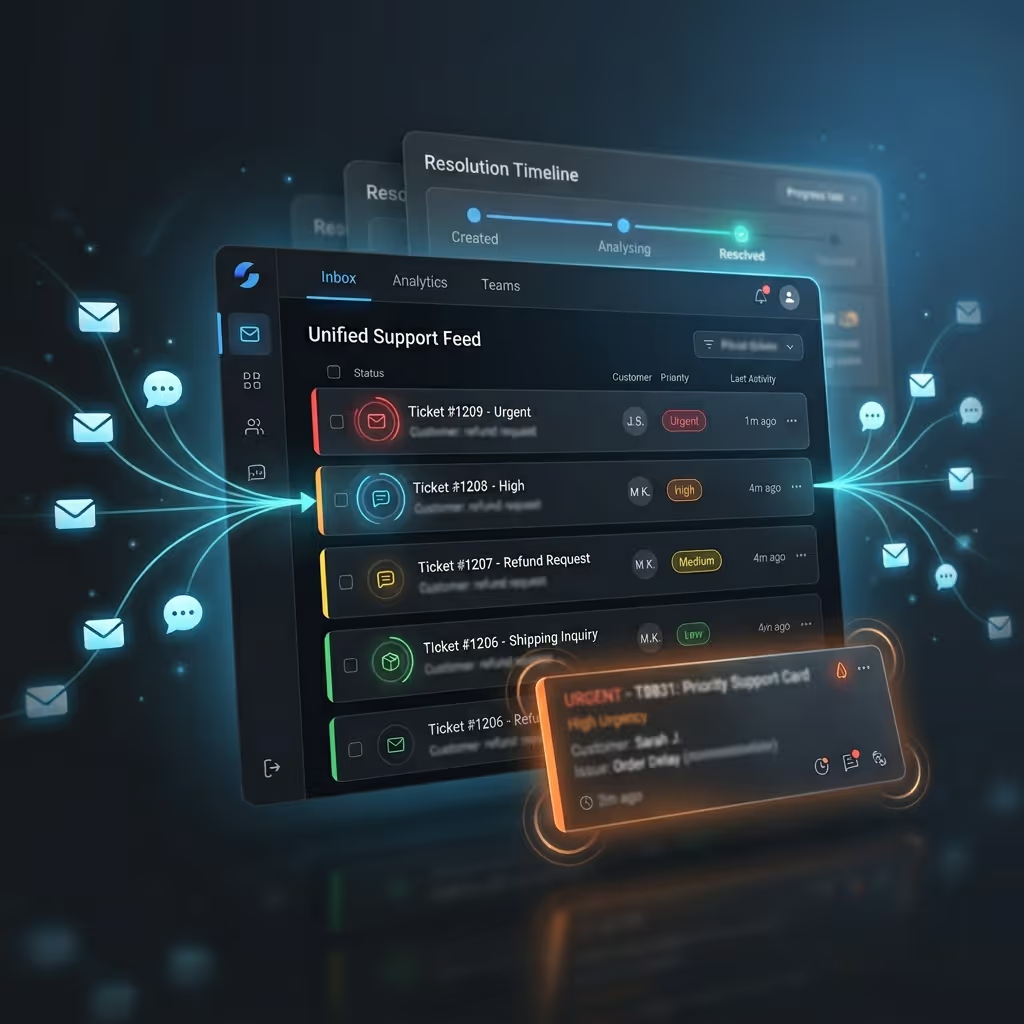
Customer support and issue management
Dropshipping businesses frequently struggle with refund requests, shipping complaints, and delayed responses during high-volume periods
- Track customer issues systematically
- Manage support requests in one place
- Respond faster to order concerns
- Reduce repetitive customer follow-ups
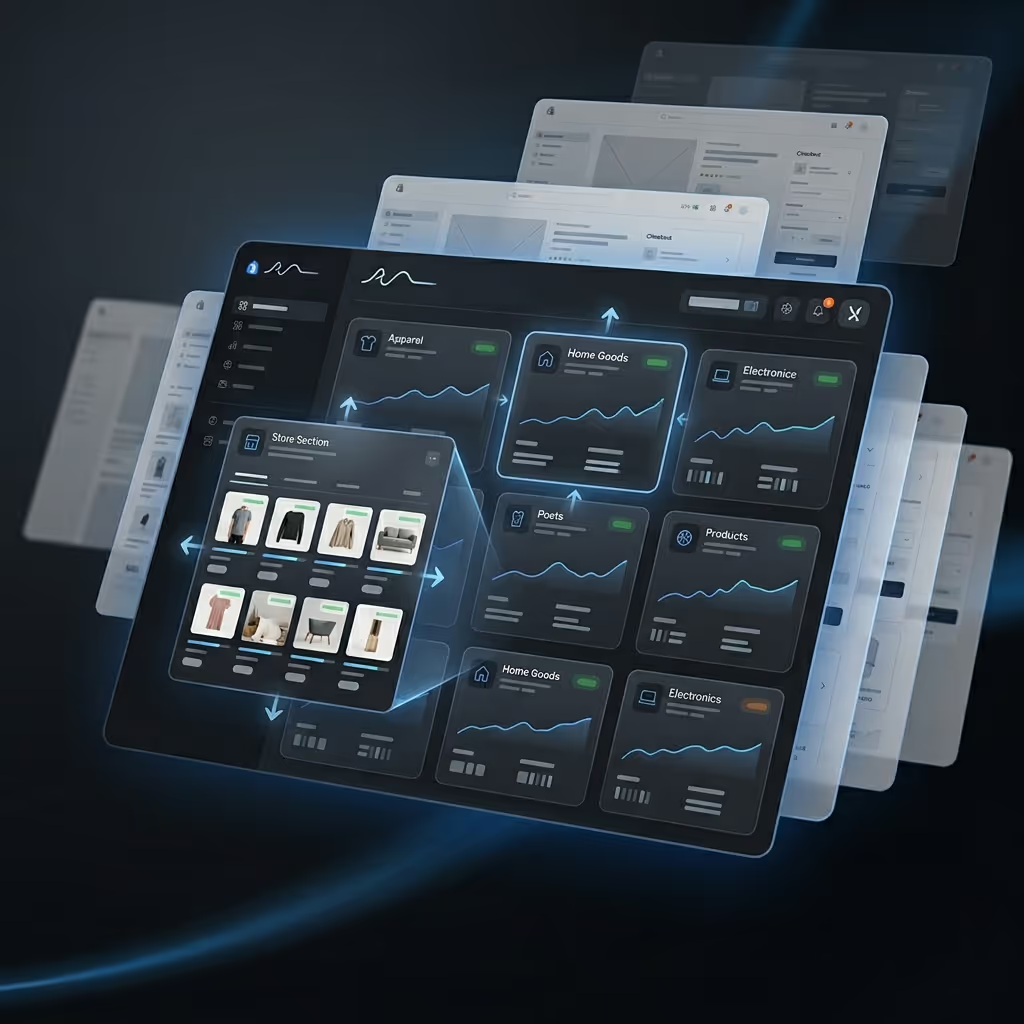
End-to-end app development for your business
Turn ideas and spreadsheets into fully functional internal apps your team can actually use, not just plan on paper.
- Describe, don’t code:Write what you need in plain language and instantly generate the layout, components, and logic.
- Full UI in one go:Create full pages with forms, tables, filters, and charts in a single automated pass.
- Use the data you already have:Connect your spreadsheets or datasets quickly and turn them into interactive dashboards.
Store scaling and operational expansion
As stores grow, managing larger catalogs, more suppliers, and increasing traffic creates operational bottlenecks and workflow breakdowns
- Add products without operational overload
- Handle larger traffic volumes smoothly
- Expand into new product categories faster
- Manage growing operations more efficiently
Connect Your Dropshipping Website With the Tools Your Store Already Uses

Supplier and fulfillment integrations
Dropshipping stores often waste time manually syncing supplier updates, inventory changes, and fulfillment information across multiple systems
- Sync supplier workflows more efficiently
- Reduce manual inventory coordination
- Improve fulfillment visibility across orders
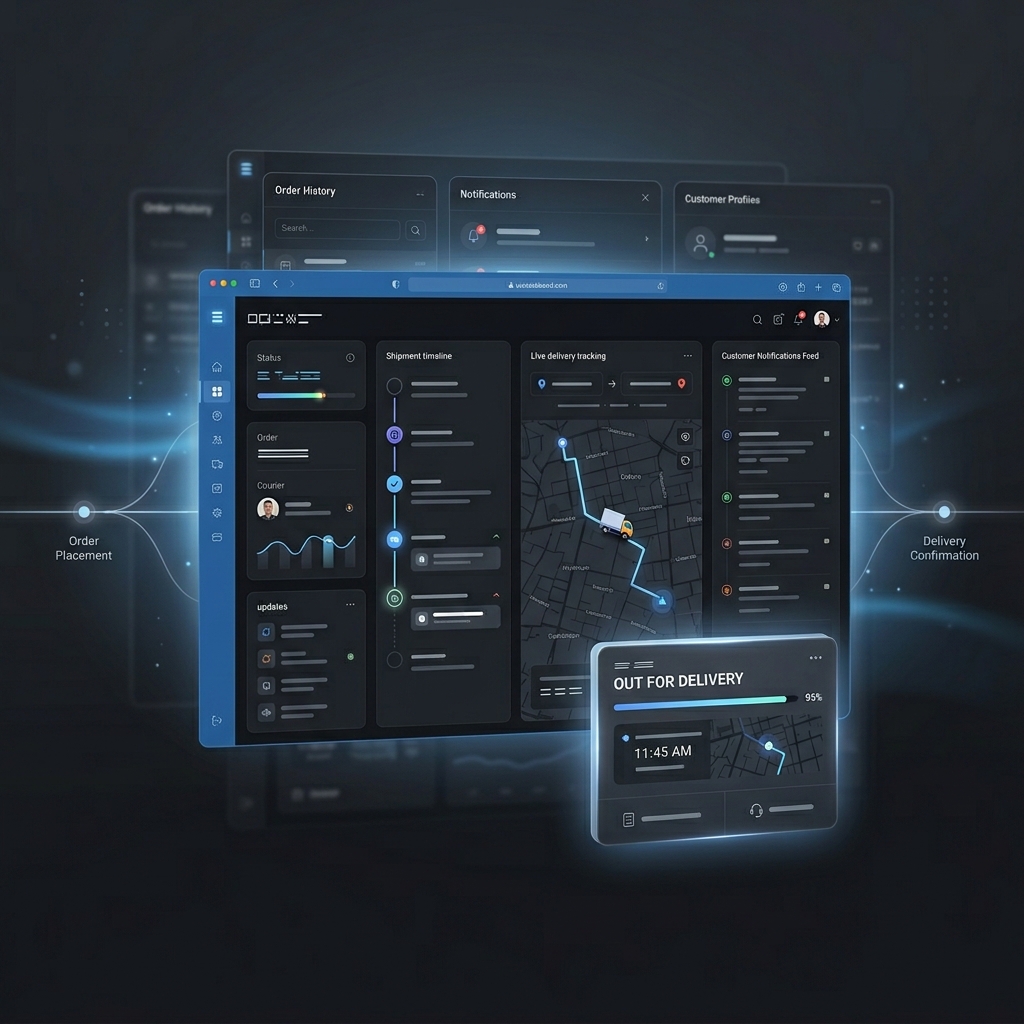
Order tracking and customer support integrations
Customers become frustrated when tracking updates, delivery status, and support communication are scattered across disconnected platforms
- Centralize order status communication
- Improve shipment update visibility
- Reduce repetitive customer support requests

Payment and ecommerce workflow integrations
Managing transactions, refunds, and order payments across separate tools creates unnecessary operational complexity
- Integrate Stripe, PayPal or Razorpay via API keys
- Support smoother ecommerce transactions
- Handle payment workflows more efficiently
Build a Fully Connected Ecommerce Workflow
Connect any supplier, CRM, fulfillment, or operational tool through APIs on Emergent without relying on fragmented plugin-heavy setups


How to Create a Dropshipping Website
Follow these steps to build a dropshipping website that helps you manage products, process orders, and scale operations without relying on disconnected tools.
01 Choose the right website building method
You can hire a developer, use a traditional ecommerce builder, or choose an AI-powered platform like Emergent. Traditional setups often require multiple plugins and manual workflows, while AI-powered systems simplify store creation and management.
02 Define your products and store structure
Start by planning your product categories, supplier relationships, navigation structure, and customer journey so your store feels organized and easy to shop.
03 Build your dropshipping website
Create product pages, organize collections, and structure your homepage so customers can quickly discover products and complete purchases without confusion.
04 Set up orders, payments, and fulfillment
Configure order workflows and connect payment gateways like Stripe, PayPal or Razorpay via API keys to handle purchases and customer transactions securely.
05 Optimize your customer experience
Review mobile responsiveness, improve product presentation, and simplify navigation so customers can browse, purchase, and track orders more smoothly.
06 Test and launch your store
Check product pages, payment flows, and order tracking carefully before going live to avoid operational issues once customers begin placing orders.
07 Promote and scale your business
Drive traffic through ads, content, and social channels while refining your store based on customer behavior and sales performance over time.
Turn Your Dropshipping Website Into a Repeatable Sales Engine
Create a system that consistently attracts qualified buyers, improves customer retention, and supports long-term ecommerce growth beyond short-term product trends

Reduce dependence on unpredictable marketplace traffic
Many dropshipping businesses struggle because sales rely heavily on marketplaces, viral products, or short-lived ad performance. A dedicated website helps build a more stable customer acquisition channel over time.
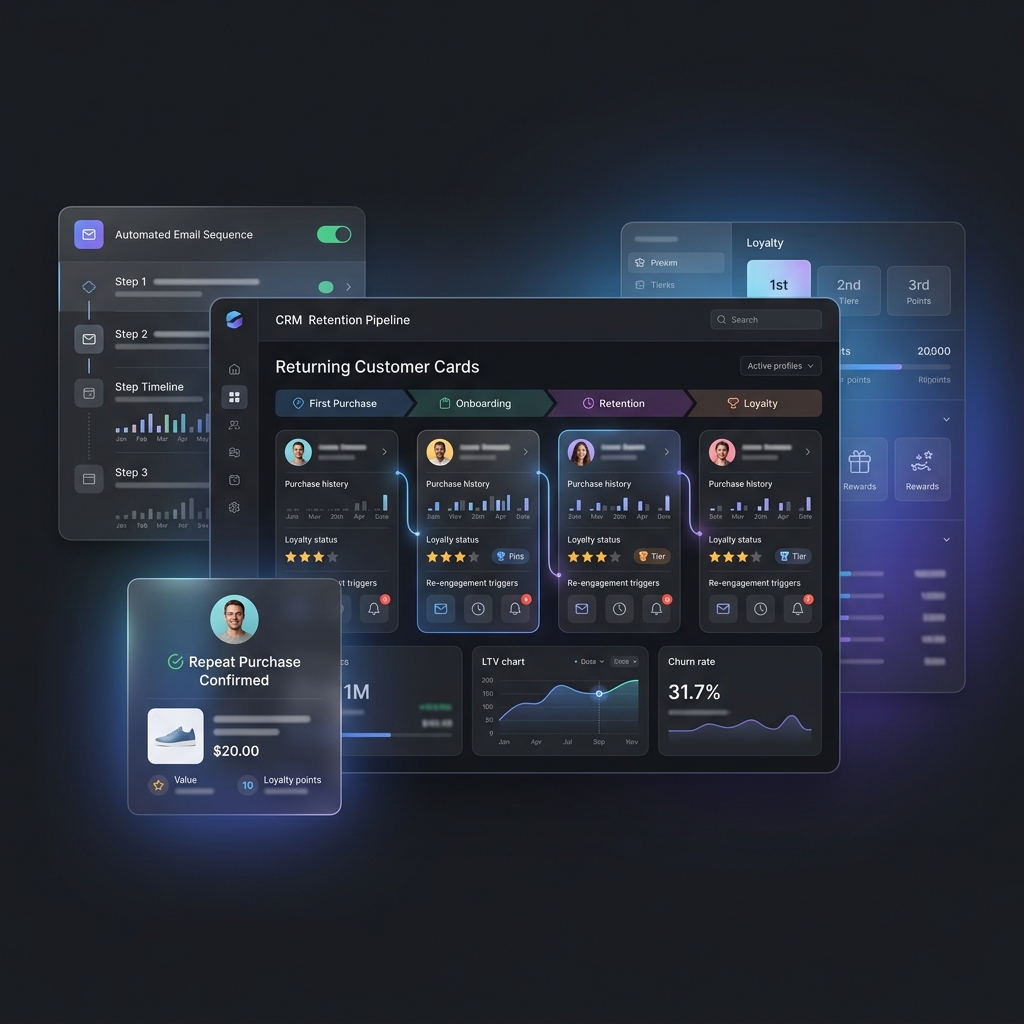
Improve repeat purchases and long-term customer value
Dropshipping stores often focus only on first-time purchases and lose customers after a single order. Structured customer journeys and communication flows help encourage repeat buying behavior.

Promote products more strategically across channels
Running promotions across ads, email campaigns, influencers, and social platforms becomes difficult when marketing workflows are disconnected. A centralized website helps maintain more consistent product promotion and campaign coordination.
Pick the Pricing Plan That Works for You
Choose a pricing plan that fits your product catalog, order volume, and operational needs as your dropshipping business grows
No credit card required*


Frequently Asked Questions
Your Questions, Answered
Don't change this element unless you know what you are doing
on Emergent today



