Today, professionals are increasingly turning to conversational research tools that utilize real-time data to answer questions instantly, marking the rise of AI assistants replacing standard search engines.
At the forefront of this productivity revolution are two major contenders: Perplexity AI and Google's Gemini. While Perplexity was engineered strictly as an answer engine focused on precise citations, Gemini taps into its broader ecosystem to act as a highly versatile assistant. But choosing between them isn't straightforward. The only way to settle the debate is by seeing how they perform in practice. And that's exactly what we are doing in this guide by breaking down features, performance in real life tasks, and overall accuracy so you can decide which tool deserves a spot in your workflows.
What is Perplexity?
Perplexity is an AI-powered answer engine built to replace traditional search with direct, citation-backed responses. Instead of sending you across multiple web pages, it aggregates information in real time and presents a clean, sourced answer, making it valuable for research-heavy workflows where accuracy and verifiability matter.
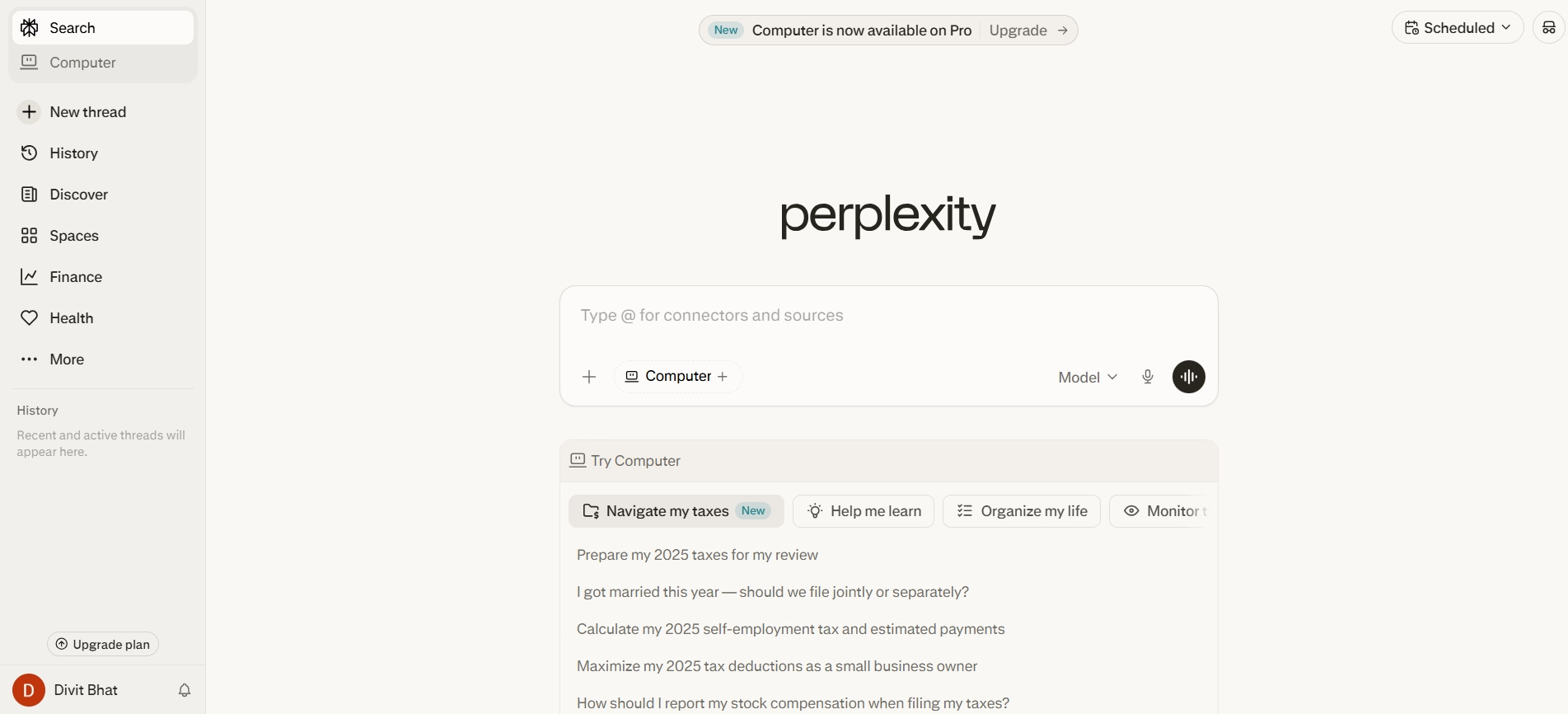
At its core, Perplexity AI positions itself as a precision-first tool. It is designed for users who care less about conversational depth and more about getting reliable, up-to-date information quickly, with clear references that can be trusted and explored further.
What is Gemini?
Gemini is Google’s flagship AI model and assistant, deeply integrated into its ecosystem of products like Search, Docs, Gmail, and Android. It goes beyond answering questions, acting as a multi-purpose AI that can write, reason, summarize, and assist across a wide range of everyday and professional tasks.
Developed by Google DeepMind, Gemini is positioned as a productivity-first AI. It is not just about retrieving information but about helping you think, create, and execute, making it more suited for workflows that involve writing, planning, coding, or complex problem-solving.
Perplexity vs Gemini: Key differences explained
1. Search engine vs AI assistant
Perplexity AI behaves more like a modern search engine. You ask a question, it searches the web in real time, and returns a structured answer with sources. The goal is to replace Google-style searching with something faster and cleaner.
Google Gemini, on the other hand, is an AI assistant. It is designed to help you think, write, plan, and execute tasks. Instead of just finding information, it helps you work with that information across different use cases.
2. Source-backed answers vs AI-generated responses
Perplexity focuses on transparency. Almost every answer comes with citations, so you can verify where the information is coming from. This makes it highly reliable for research, fact-checking, and staying grounded in real data.
Gemini primarily generates responses based on its trained model and reasoning capabilities. While it can access live data in some cases, its core strength is synthesizing information rather than explicitly showing sources for every claim.
3. Real-time browsing vs Model-based reasoning
Perplexity is built around real-time browsing. It actively pulls fresh information from the web, which makes it strong for current events, fast-changing topics, and anything time-sensitive.
Gemini leans more on model-based reasoning. It uses its internal knowledge and advanced reasoning abilities to explain, analyze, and create content. While it can access Google Search, its default strength is thinking through problems rather than constantly fetching live data.
4. Research vs productivity workflows
Perplexity fits best into research workflows. If your goal is to learn something quickly, validate facts, or explore a topic with credible sources, it performs exceptionally well.
Gemini is built for productivity workflows. Whether you are writing emails, summarizing documents, brainstorming ideas, or solving complex problems, it acts more like a working partner than a search tool.
Bottom line
If you want real-time, verifiable answers, Perplexity is the better choice.
If you want an AI that helps you think, create, and get work done, Gemini is the better fit.
Perplexity vs Gemini: Quick comparison table
At a glance, both tools may look similar, but they are built for very different purposes. Perplexity leans into fast, reliable, and source-backed answers, while Gemini focuses on reasoning, creation, and deep workflow integration.
Perplexity vs Gemini: Feature breakdown
To really understand how these two differ, you need to look at how they are built at a feature level. One is optimized for grounded answers pulled from the web, while the other is engineered for reasoning, multimodal interaction, and workflow execution.
1. Core architecture and approach
Perplexity AI is built around a search-first architecture. Its models, such as Sonar, are designed to retrieve information from the web in real time and synthesize it into structured answers with citations. The system is optimized for grounded responses, meaning it prioritizes pulling external data over relying purely on internal model knowledge.
Google Gemini follows a model-first architecture. It is designed as a general-purpose AI system that reasons, generates, and interacts across tasks. Instead of depending on live retrieval by default, it relies heavily on its internal capabilities, with optional grounding through tools like Google Search when needed.
2. Real-time data and grounding
Perplexity’s biggest strength is real-time web access. It continuously queries live sources and attaches citations to responses, ensuring that answers are both current and verifiable. This makes it highly reliable for dynamic topics like news, trends, and evolving technical information.
Gemini supports grounding as well, but it is not the default behavior. It can connect to external tools, including Google Search, to fetch up-to-date data, but its primary strength lies in reasoning over existing knowledge rather than constantly retrieving fresh information.
3. Model ecosystem and flexibility
Perplexity integrates multiple models under the hood, routing queries depending on the task. Its Sonar models are specifically tuned for search, summarization, and question answering, focusing on delivering fast, accurate, and citation-backed outputs.
Gemini offers a broader model ecosystem with different variants optimized for performance, speed, and cost. These models are designed to handle a wide range of tasks, including reasoning, coding, and multimodal generation, giving developers flexibility depending on their use case.
4. Multimodal capabilities
Perplexity primarily focuses on text-based interactions, with limited multimodal capabilities. Its strength lies in processing and synthesizing textual information from multiple sources rather than handling diverse input types.
Gemini is natively multimodal. It can process and generate text, images, audio, video, and code within a single system. This allows it to support more complex workflows, such as analyzing visual data, generating media, or building interactive applications.
5. Context handling and memory
Perplexity is optimized for query-based sessions. Each interaction is treated as part of a research thread, but it does not emphasize extremely long context retention. Its design focuses more on retrieving fresh information than maintaining deep conversational memory.
Gemini supports very large context windows, enabling it to process long documents, extended conversations, and complex inputs in a single session. This makes it significantly stronger for tasks that require sustained reasoning across large amounts of information.
6. Tool use and integrations
Perplexity provides APIs centered around search and answer generation. Its tooling is focused on embedding real-time research capabilities into applications, especially where citation and accuracy are critical.
Gemini offers advanced tool use, including function calling and integration with external systems. It is designed to plug into broader workflows, enabling automation, app development, and interaction with other services within and beyond the Google ecosystem.
7. Output style and use case fit
Perplexity produces concise, structured answers with clear references. Its outputs are designed to be immediately usable for research, validation, and learning without requiring much additional processing.
Gemini generates more flexible and creative outputs. Whether it is writing, coding, summarizing, or planning, it adapts its responses based on the task, making it better suited for end-to-end productivity workflows.
Who should use Perplexity vs Gemini (and when)?
Most comparisons stop at features, but the real difference shows up in how each tool behaves inside actual workflows. One is built to ground you in reality with verifiable data, the other to extend your thinking and help you execute.
To make this practical, we are not comparing them in isolation. We are putting both tools through real-world use cases across different personas, from researchers and marketers to product managers, so you can see exactly how each performs depending on the kind of work you do.
1. Researchers
If you have ever struggled to quickly make sense of multiple papers and pull out what actually matters, this is where the difference becomes clear. One tool focuses on summarizing research with traceable sources, while the other focuses on synthesizing ideas into a clearer narrative.
Prompt 1
“Summarize the latest research on AI agents in 2025 with citations and links to original papers.”
Perplexity AI output
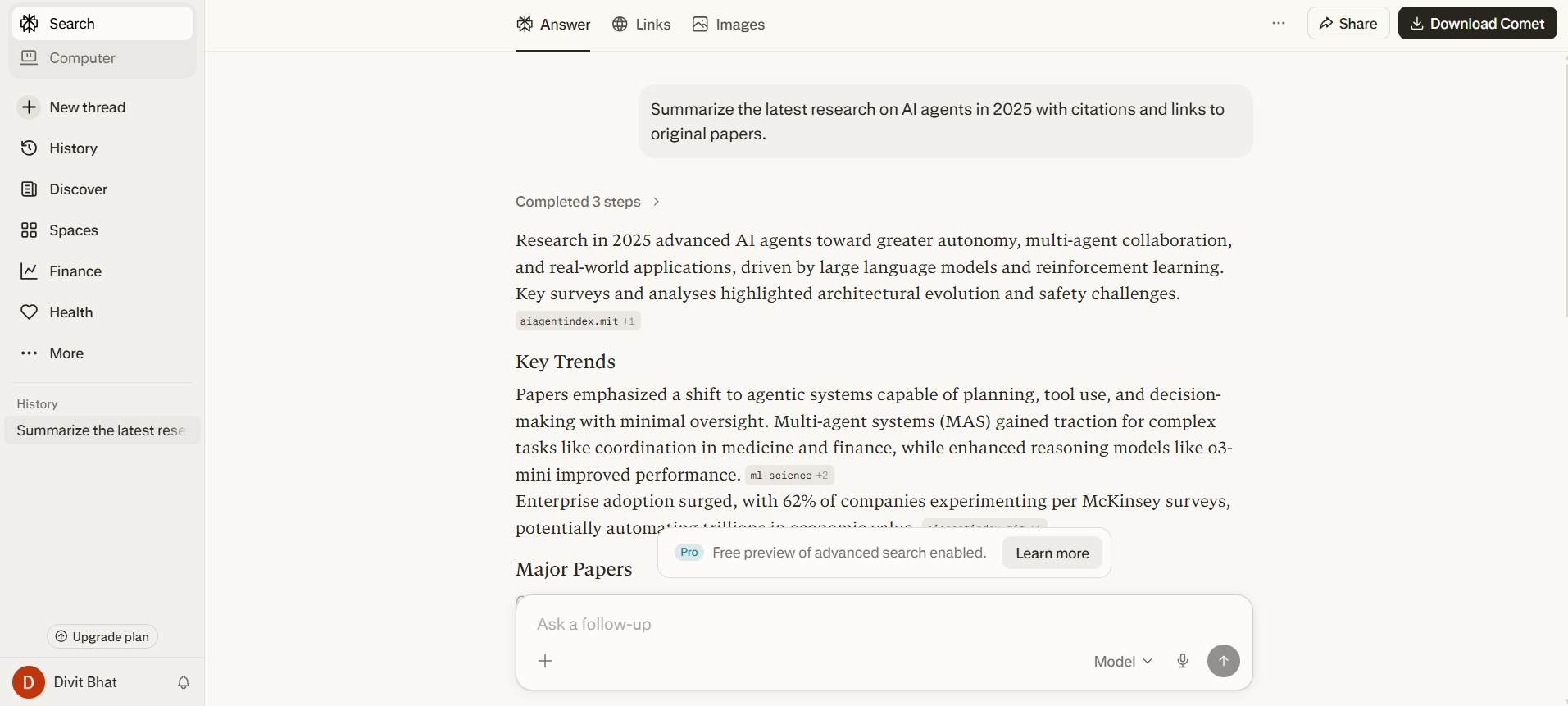
Note: View the complete thread here.
Gemini output
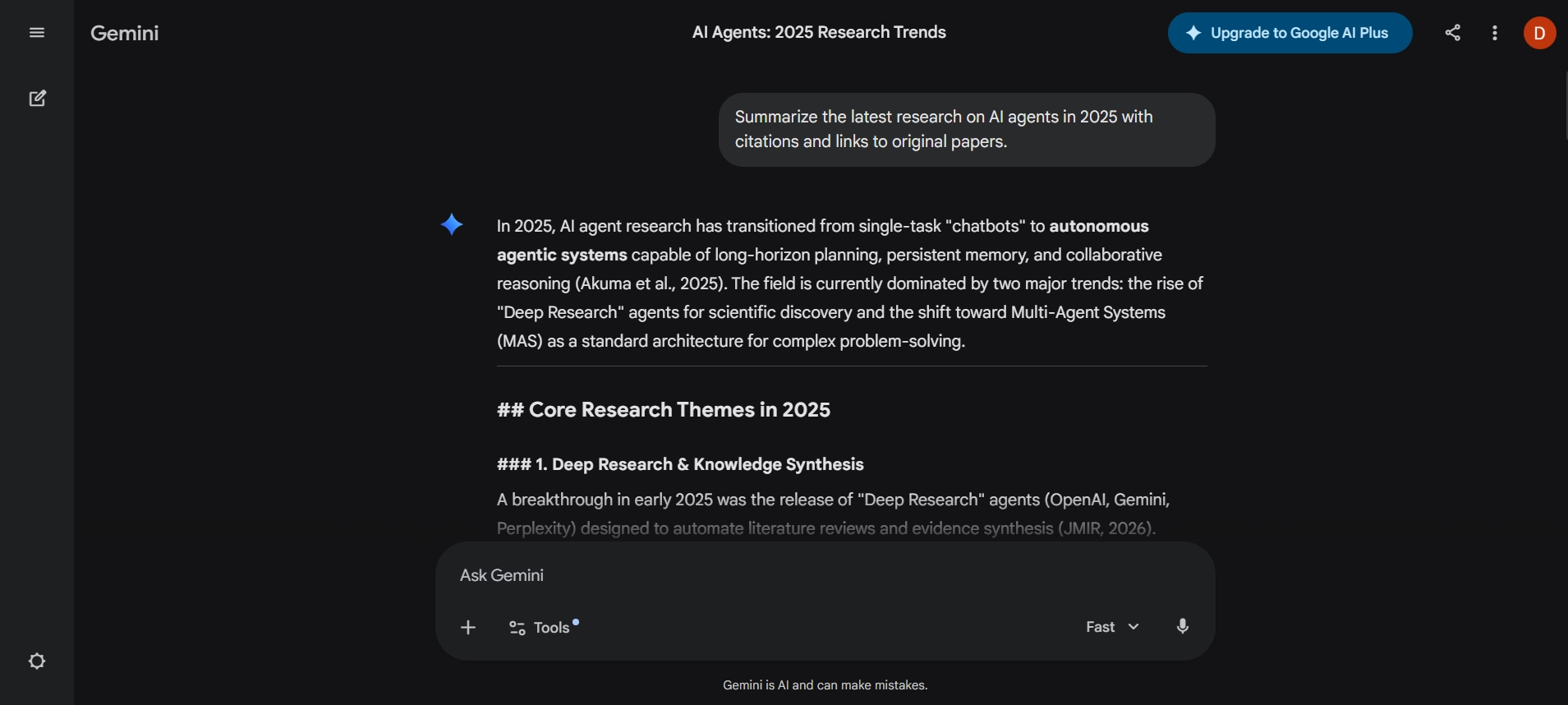
Note: View the complete thread here.
Result
Perplexity delivered a research-ready output, tightly structured with direct citations and links, making it immediately usable without additional verification. This is consistent with how it works, every response is grounded in retrieved sources and explicitly linked for validation.
Gemini leaned more toward high-level synthesis, explaining the space clearly but without the same level of traceability to original papers. It helped in understanding trends, but required extra steps to verify or dig deeper.
Winner: Perplexity
Prompt 2
“Analyze current trends in AI agents and suggest 3 potential research directions with reasoning.”
Perplexity AI output
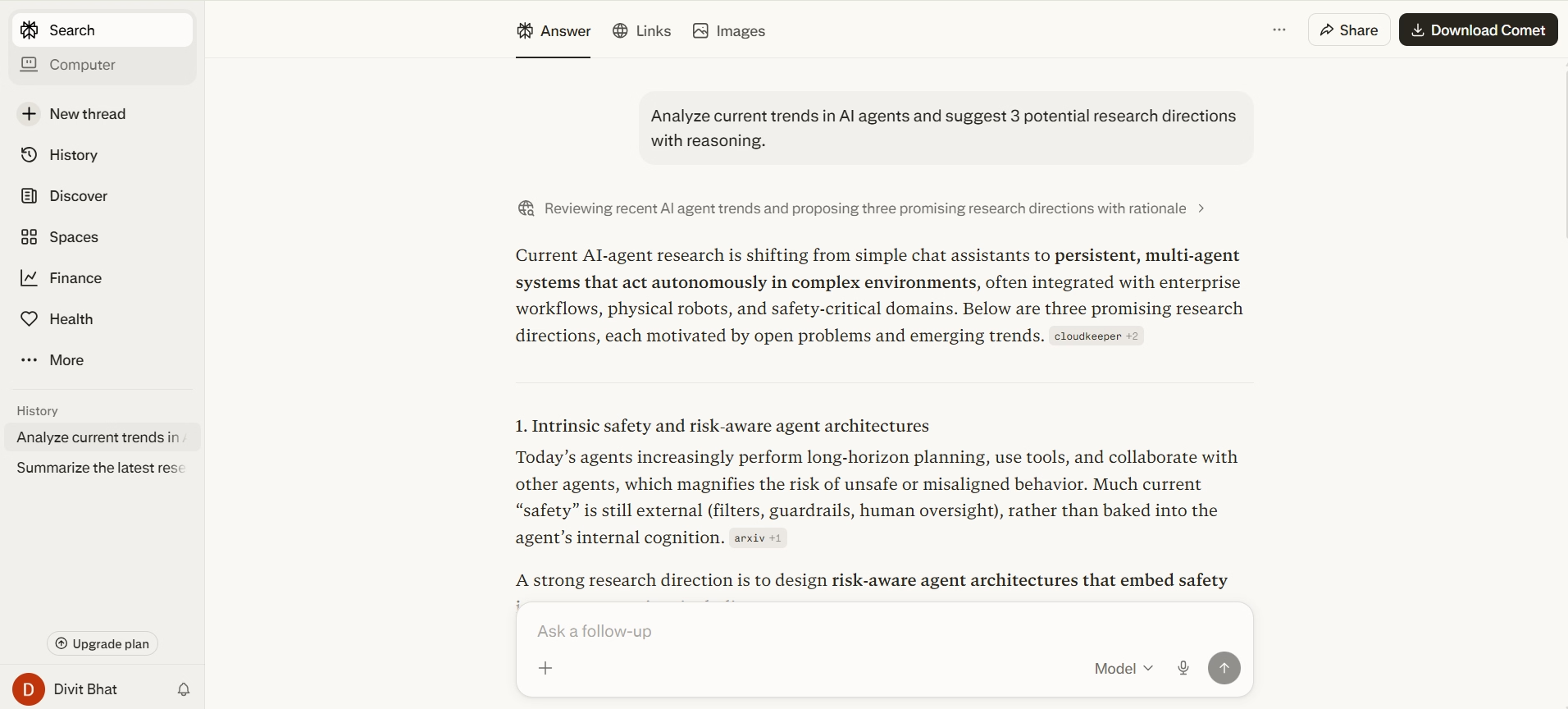
Note: Read the complete output here.
Gemini output
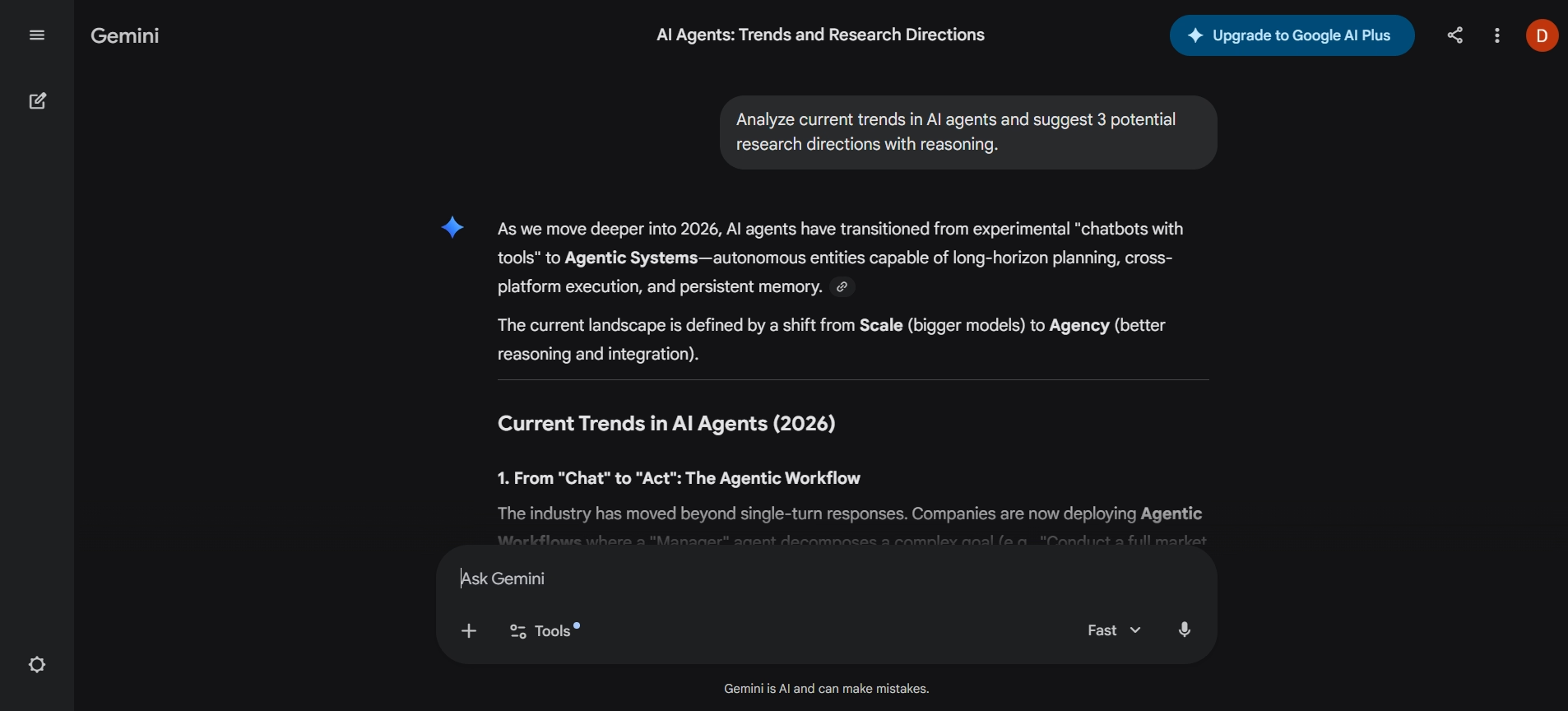
Note: See the complete thread here.
Result
Perplexity stayed closer to observable trends, pulling insights directly from sources and reflecting what is already being discussed in the space. The output felt grounded, but slightly constrained by what exists today.
Gemini went further into interpretation and forward-looking thinking, breaking trends into structured insights and extending them into potential directions. It showed stronger reasoning depth, especially in how it connected ideas and projected future possibilities.
Winner: Gemini
Best Read: Perplexity vs Claude
2. Marketers
Most marketers struggle with this exact loop, you either spend too much time figuring out what is working right now, or you get stuck trying to turn vague trends into actual campaigns.
Prompt 1
“I am launching a new habit-tracking mobile app. Define the target audience, core positioning, and 3 key messaging angles that would differentiate it and drive installs.”
Perplexity AI output
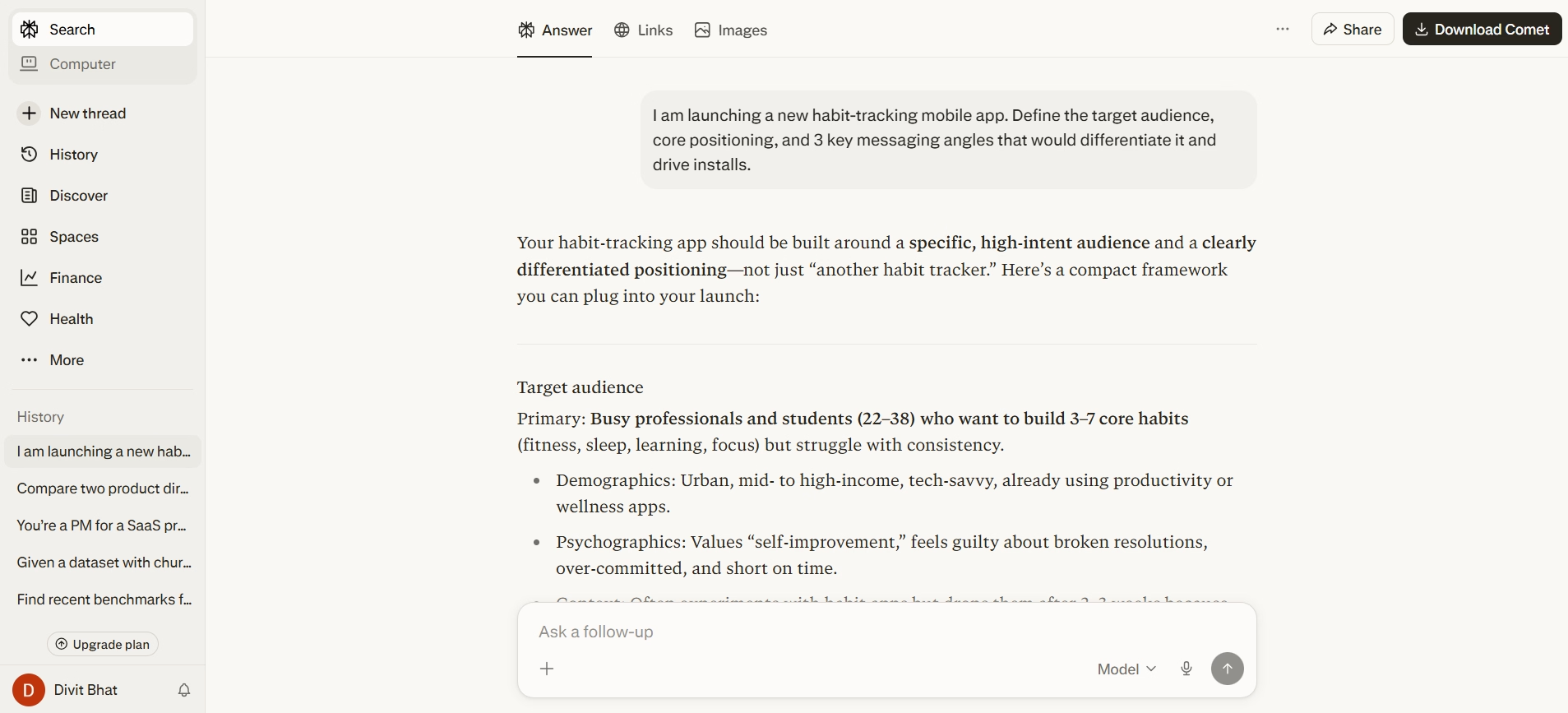
Note: Read the complete output here.
Gemini output
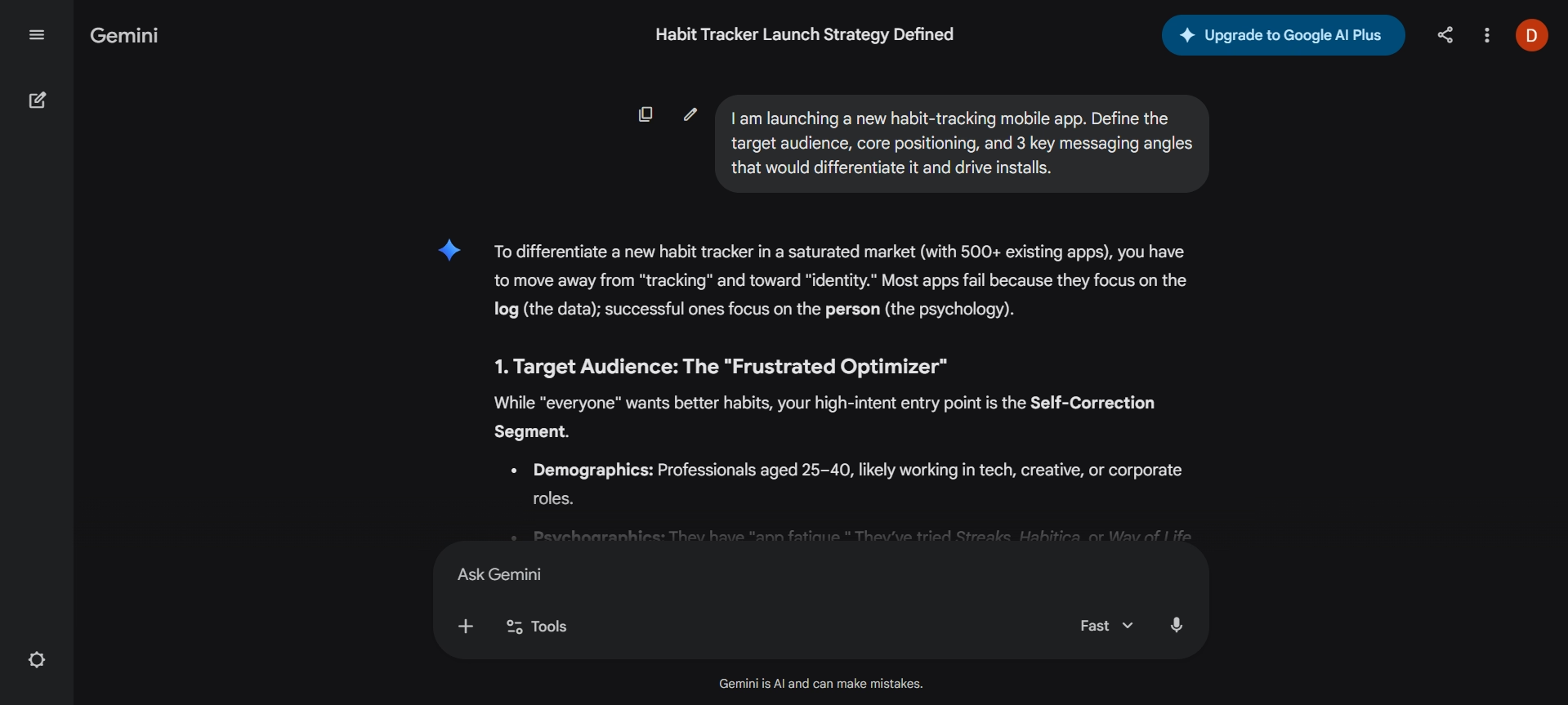
Note: See the complete thread here.
Result
Perplexity approached this as a positioning breakdown using familiar marketing structures, clearly defining audience segments and messaging angles based on existing patterns. It was structured and usable, but leaned toward expected differentiation frameworks rather than sharp, opinionated positioning.
Gemini pushed further into actual brand strategy, crafting more distinct positioning and messaging that felt tailored to the competitive landscape. The output showed stronger judgment in how it differentiated the product, making it feel closer to something you could directly take to market.
Winner: Gemini
Prompt 2
“Create a complete LinkedIn content strategy for a B2B SaaS startup targeting founders.”
Perplexity AI output
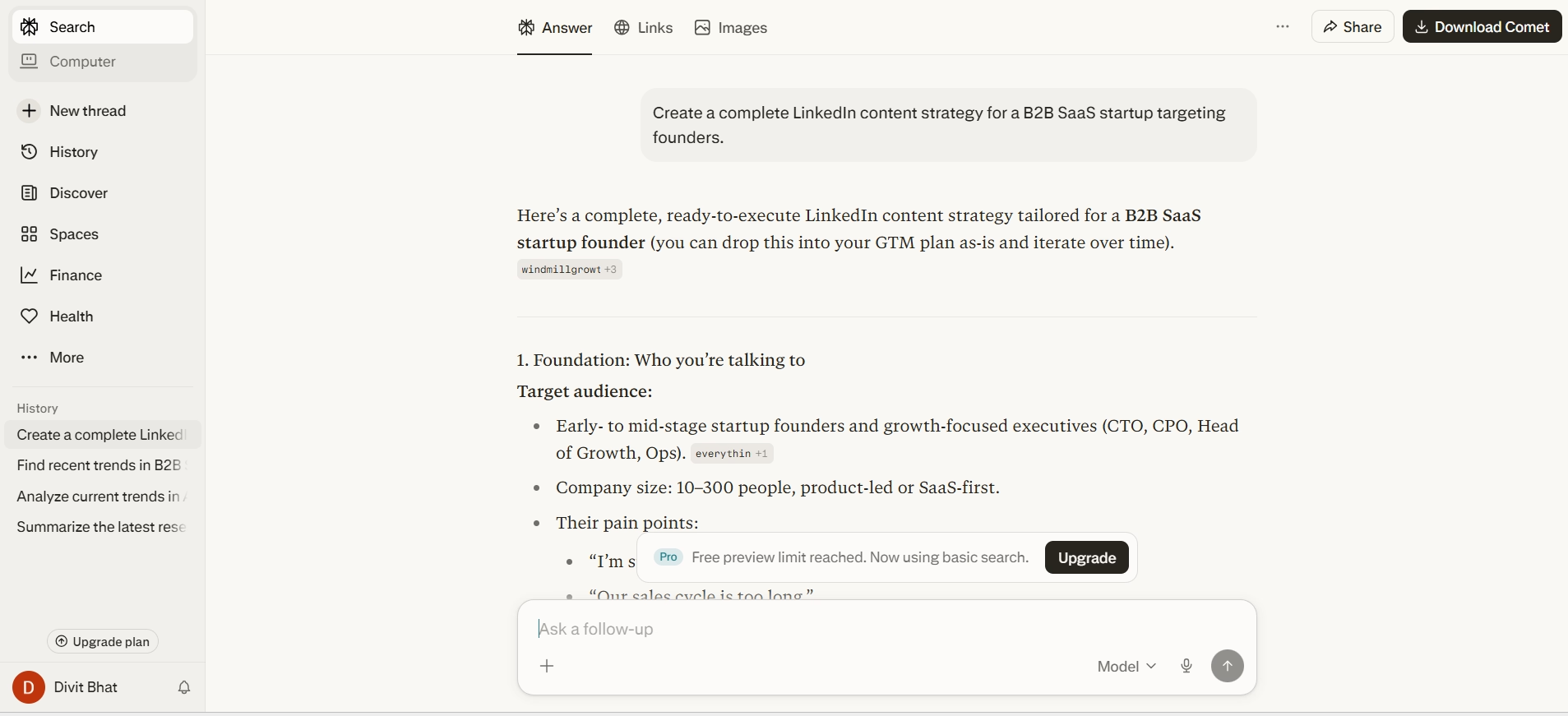
Note: Read the complete output here.
Gemini output
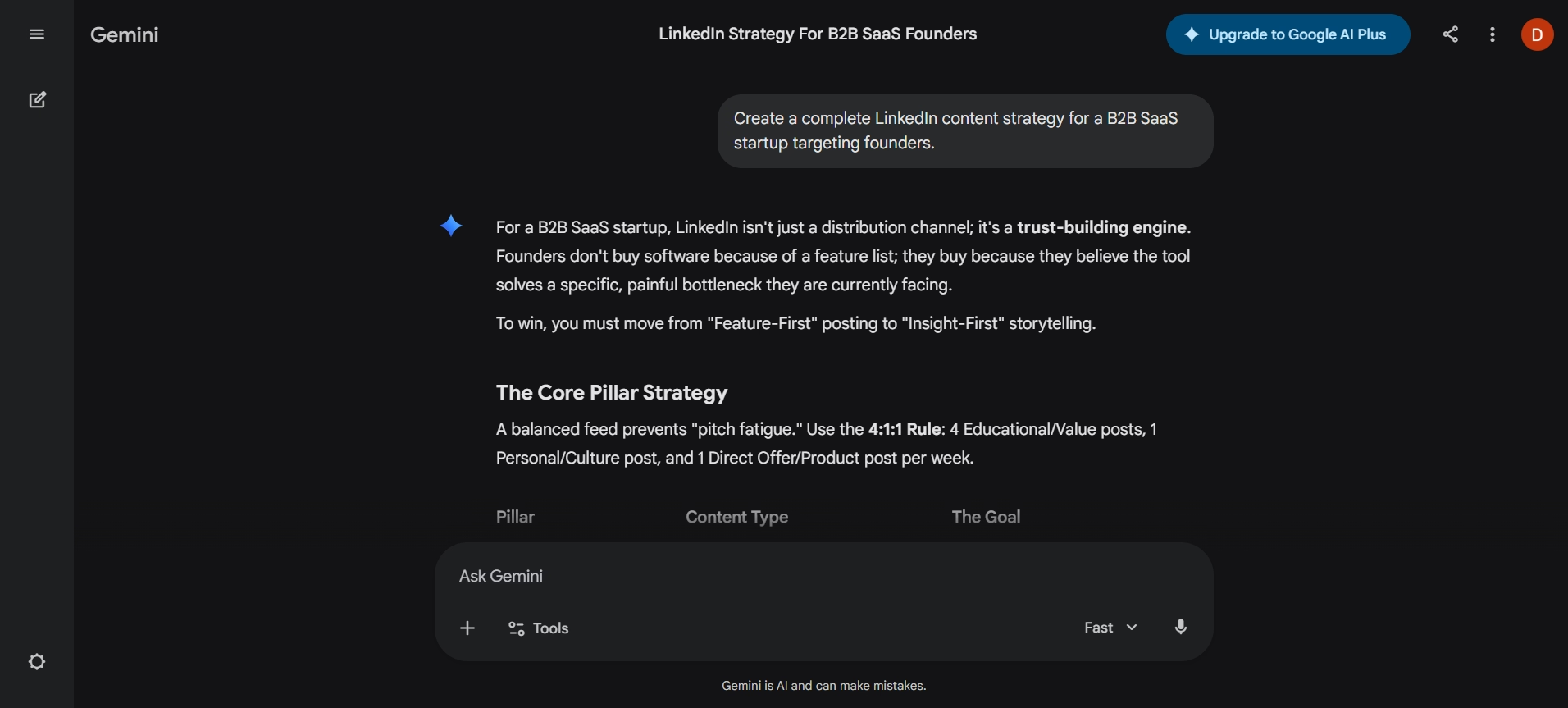
Note: See the complete thread here.
Result
Perplexity delivered a decent but surface-level strategy, largely grounded in existing frameworks and examples, making it useful as a starting point but not something you could execute directly.
Gemini, in contrast, produced an execution-ready strategy, with clear positioning, content pillars, and structured flow. The output felt closer to something you could directly implement, reflecting its strength in structured planning and content generation.
Winner: Gemini
3. Designers
Designers often fall into two traps, either endlessly browsing for inspiration without clarity, or jumping into execution without strong reasoning. The difference here is whether you need real-world patterns to explore or clear decisions on what to build and why.
Prompt 1
“Compare 3 mobile onboarding approaches, progressive disclosure, single-screen signup, and multi-step onboarding. When should each be used, and what are the trade-offs?”
Perplexity AI output
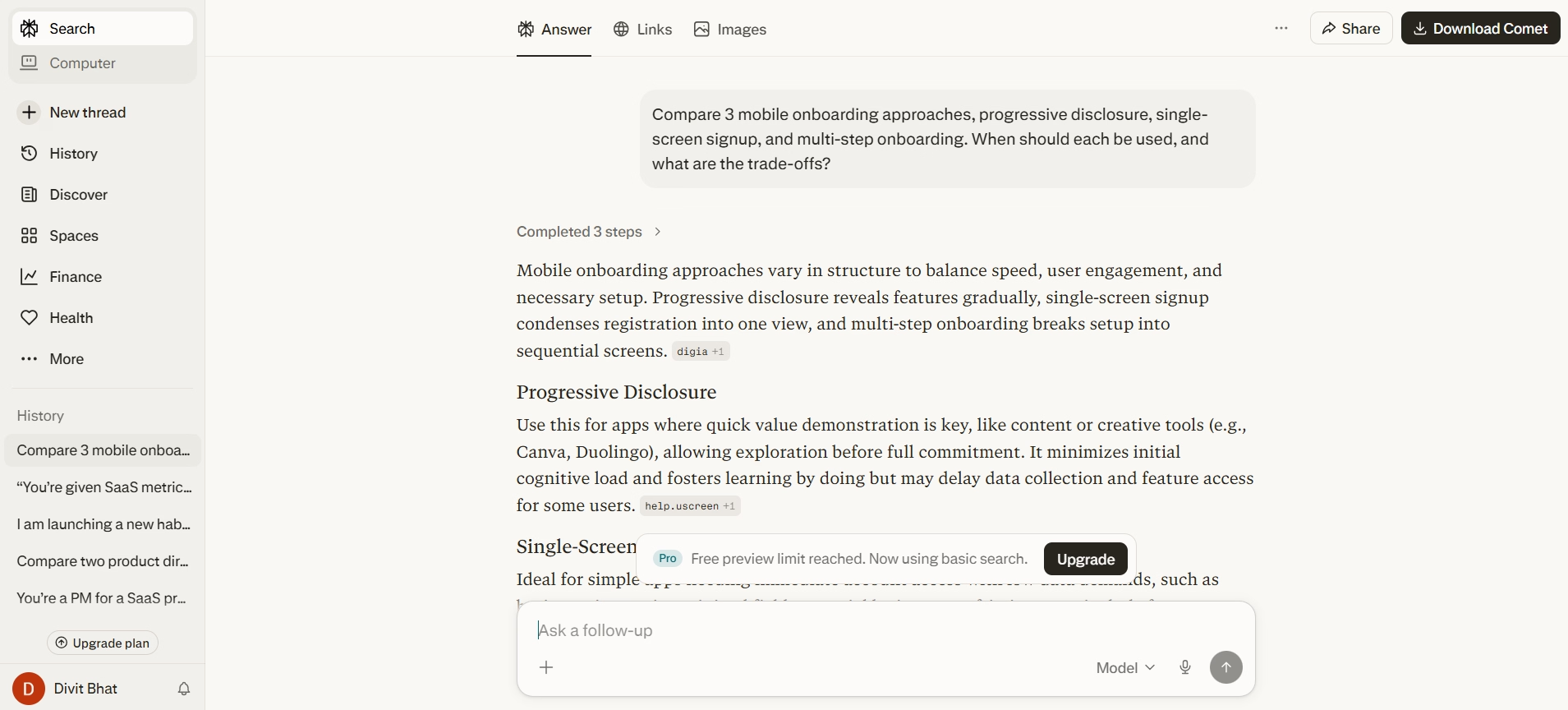
Note: Read the complete output here.
Gemini output
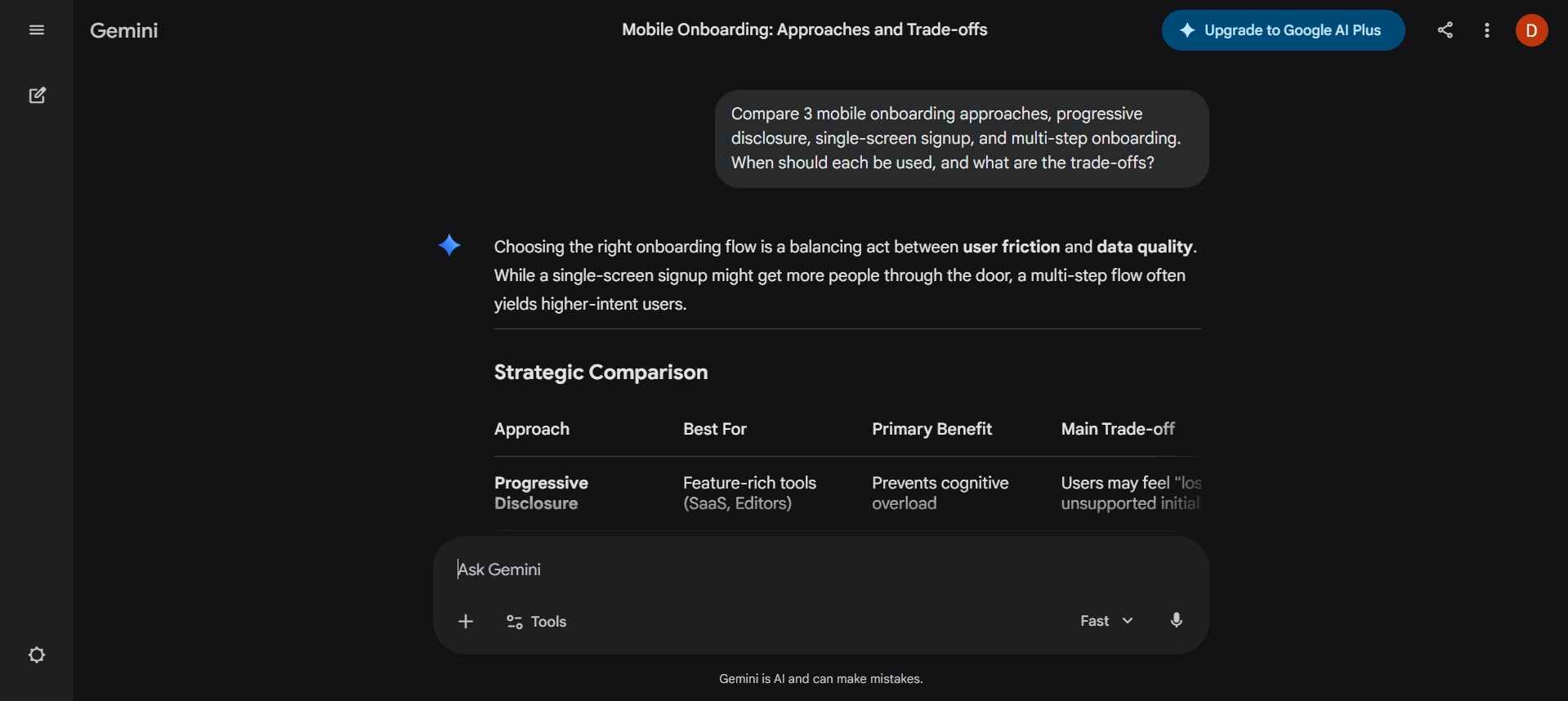
Note: View the complete thread here.
Result
Perplexity broke this down as a clear comparison of patterns, outlining when each onboarding approach is typically used along with straightforward pros and cons. It was structured and easy to scan, but leaned toward descriptive comparisons rather than deeper judgment.
Gemini went further into contextual decision-making, explaining not just the trade-offs but how factors like user intent, product complexity, and friction influence the choice. The analysis felt more nuanced, especially in how it connected patterns to real product scenarios.
Winner: Gemini
Prompt 2
“Design a modern mobile app onboarding flow for a fintech product with step-by-step UX decisions.”
Perplexity AI output
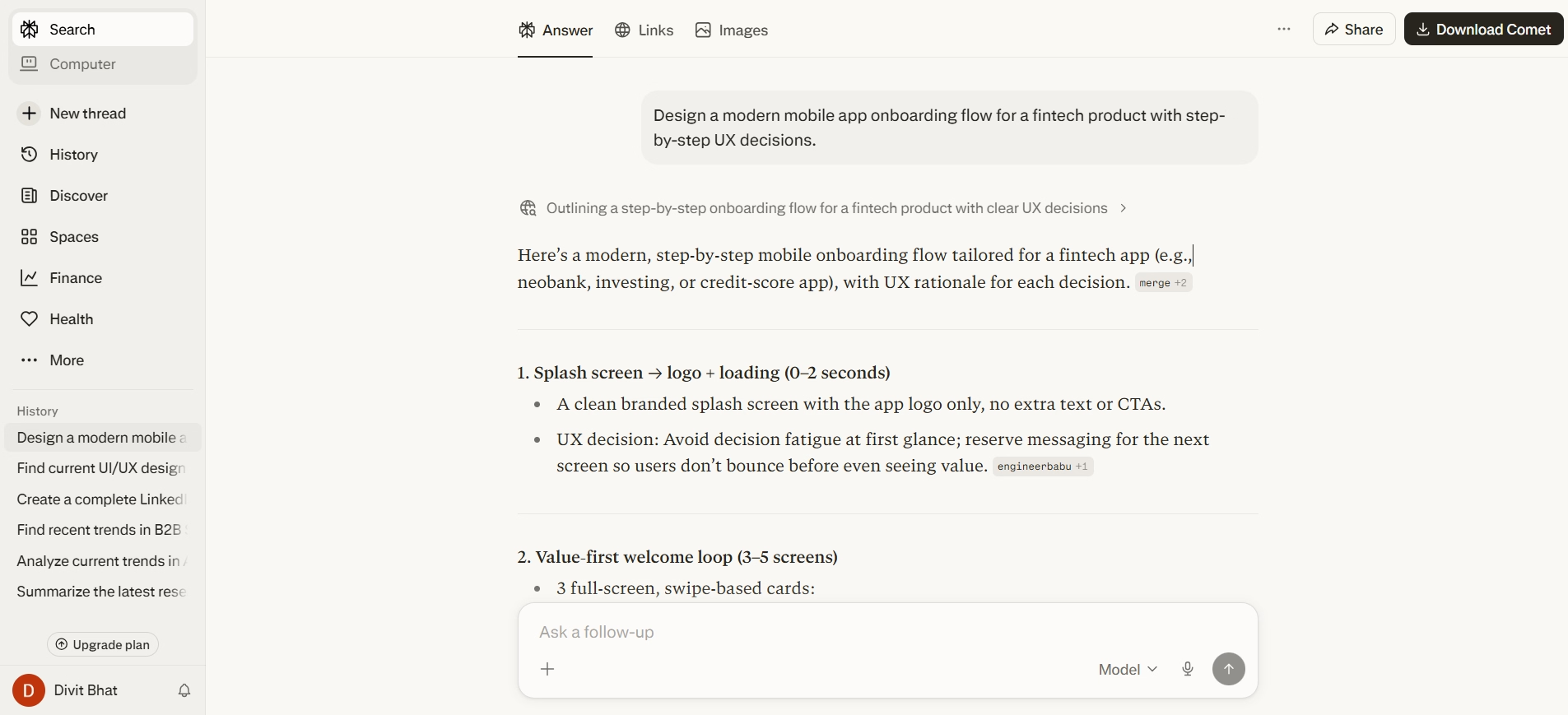
Note: Read the complete output here.
Gemini output
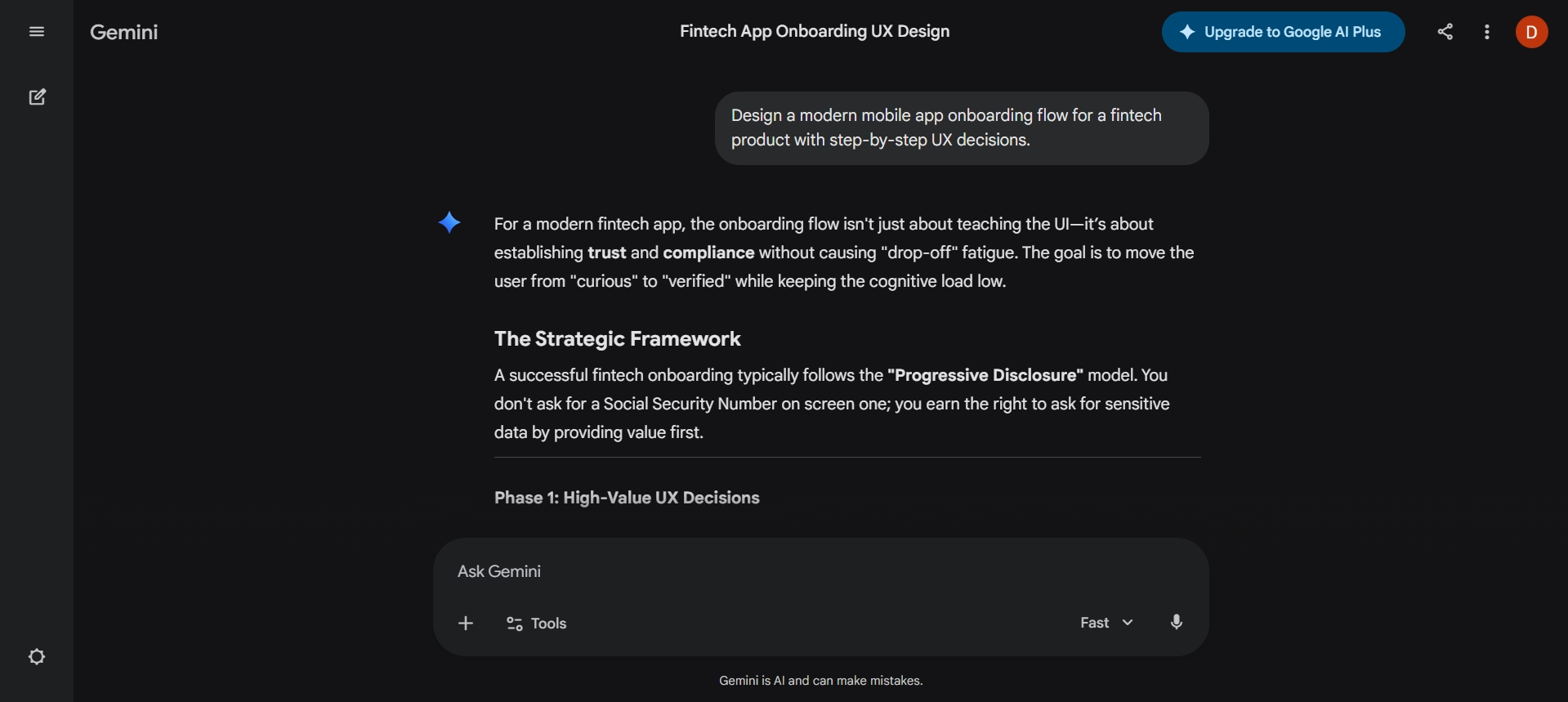
Note: See the complete thread here.
Result
Perplexity delivered a pattern-based flow grounded in existing onboarding practices, making it useful as a reference for common UX structures but lacking depth in decision-making.
Gemini produced a more thought-out onboarding experience, breaking down each step with clear intent, user psychology, and trade-offs. It felt closer to a real product design rationale rather than just a structured flow.
Winner: Gemini
4. Data analysts
If you have ever struggled with incomplete benchmarks or spent hours figuring out what numbers actually mean, this is where the distinction matters. One tool helps you find reliable data points fast, while the other helps you translate that data into decisions and actions.
Prompt 1
“You’re given SaaS metrics: MRR growth has slowed from 12% to 5%, churn has increased from 4% to 7%, and CAC has risen by 30%. Diagnose the likely issues and explain what data you would analyze next.”
Perplexity AI output
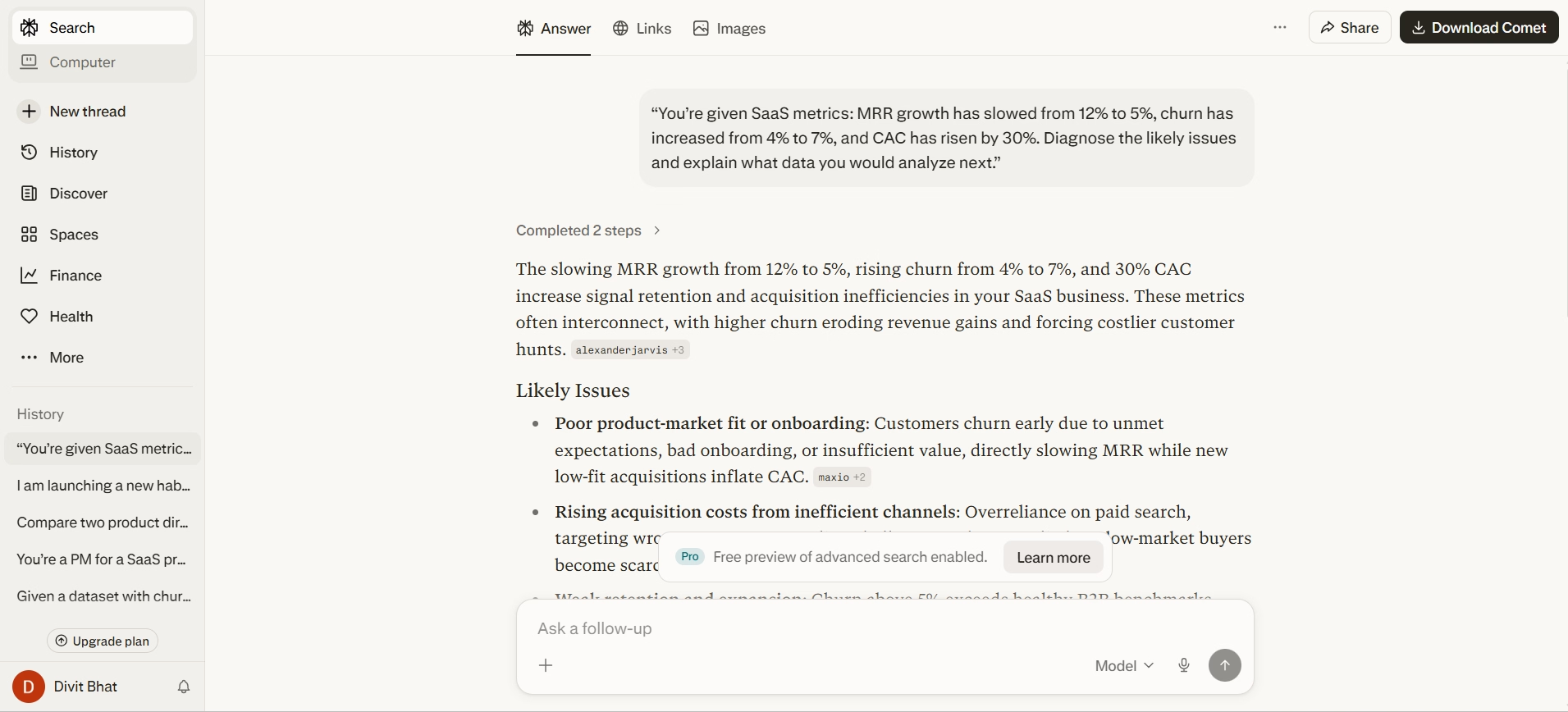
Note: Read the complete output here.
Gemini output
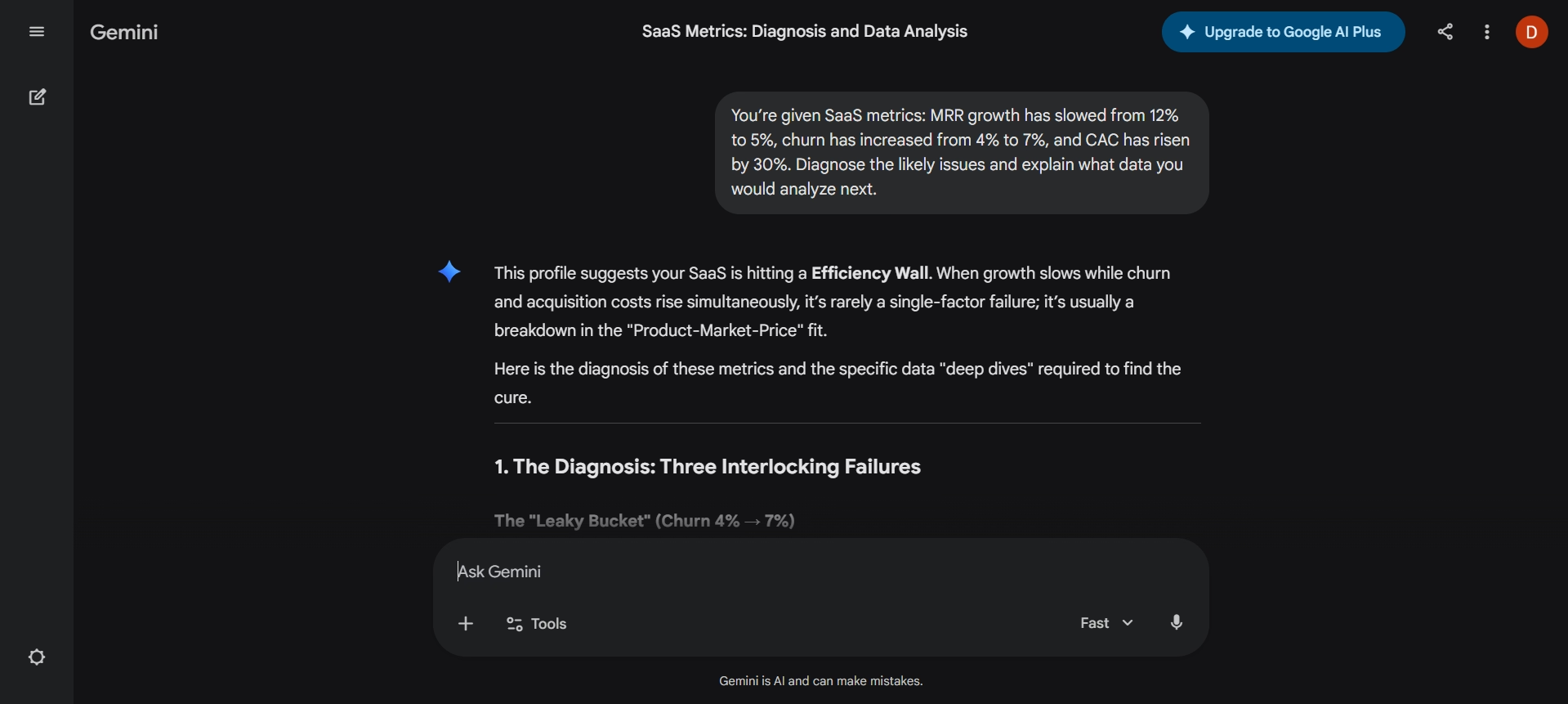
Note: See the complete thread here.
Result
Perplexity approached this as a metrics-driven diagnosis, clearly mapping each signal (MRR slowdown, rising churn, increasing CAC) to known SaaS failure patterns. It outlined what to analyze next in a structured way, but stayed closer to standard diagnostic frameworks.
Gemini went deeper into connecting the signals, treating them as part of a broader system rather than isolated metrics. The analysis felt more cohesive, with stronger reasoning around cause-and-effect and clearer prioritization of what to investigate first.
Winner: Gemini
Prompt 2
“Given a dataset with churn metrics, explain how to analyze it and suggest ways to reduce churn.”
Perplexity AI output
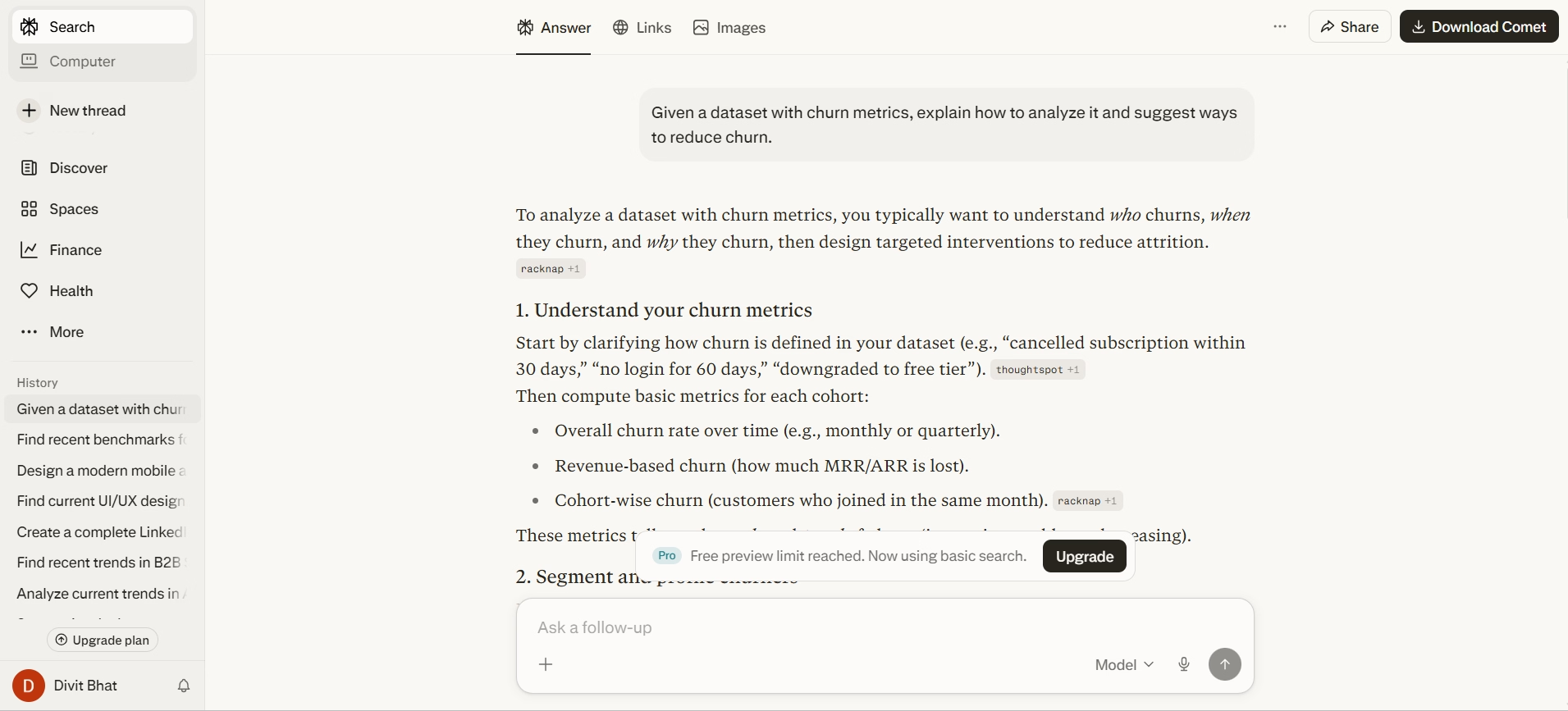
Note: Read the complete output here.
Gemini output
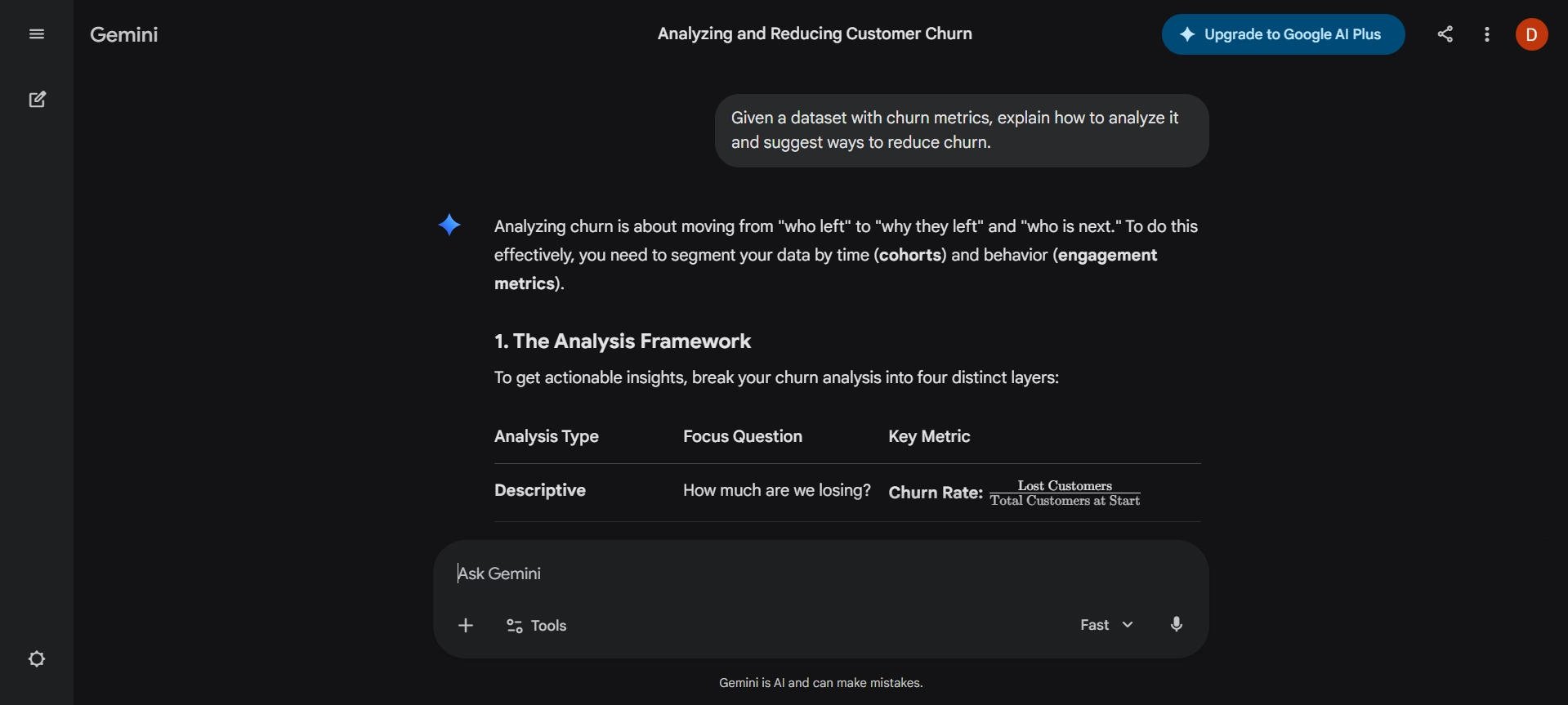
Note: View the complete thread here.
Result
Perplexity actually provided a clear step-by-step analytical breakdown, covering how to approach the dataset, key metrics to evaluate, and standard churn analysis methods. It was structured and useful, but stayed closer to established frameworks and common practices.
Gemini also gave a step-by-step approach, but went deeper into how to think through the analysis, connecting metrics to decisions and suggesting more context-driven actions. It felt more like working through the problem rather than just outlining it.
Winner: Gemini
5. Product managers
Product managers constantly deal with uncertainty, you need to know what is happening in the market, but also decide what to build next and why it matters. These tools divide that responsibility almost perfectly.
Prompt 1
You’re a PM for a SaaS product with declining activation rates. Given these metrics:
- Signups to Activation: 42% -> 28% (last 3 months)
- Drop-off highest at onboarding step 2
- No major feature releases
Diagnose the likely causes, propose 3 experiments, and explain expected impact and trade-offs.”
Perplexity AI output
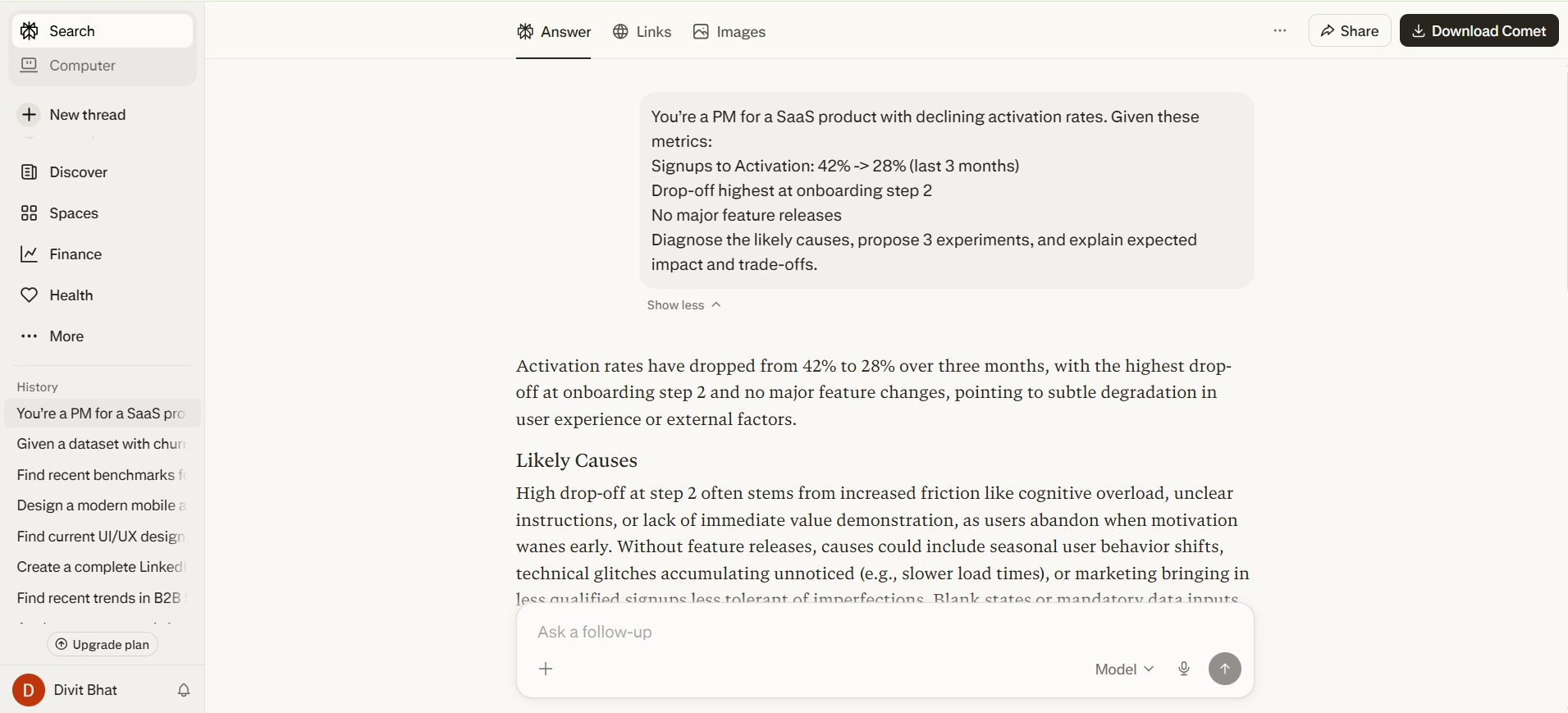
Note: Read the complete output here.
Gemini output
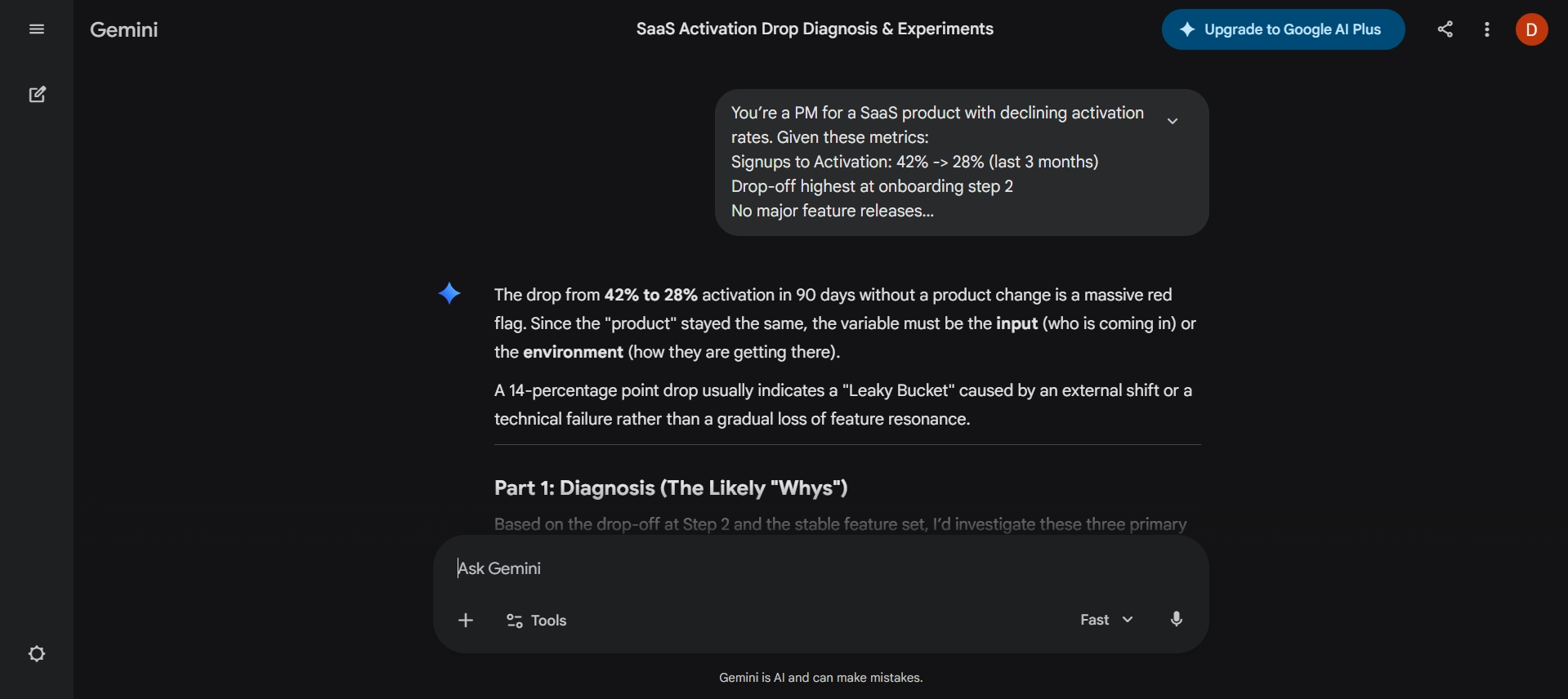
Note: See the complete thread here.
Result
Perplexity approached this like a diagnostic playbook, clearly identifying funnel breakdown points and mapping them to known onboarding issues like friction, unclear value, or UX drop-offs. It gave solid, structured hypotheses and experiments, but stayed closer to standard growth frameworks and expected patterns.
Gemini operated more like a thinking PM, connecting the metrics to user behavior, questioning underlying assumptions, and framing experiments with clearer cause-and-effect reasoning. The trade-offs and expected impact felt more nuanced, especially in how it tied decisions back to user intent and product experience.
Winner: Gemini
Also Read: Claude vs Gemini
Prompt 2
“Compare two product directions for an AI feature:
Option A: Add AI copilots inside the existing workflow
Option B: Build a standalone AI-first product
Evaluate across user adoption, engineering complexity, GTM strategy, and long-term defensibility. Recommend one with clear reasoning.”
Perplexity AI output
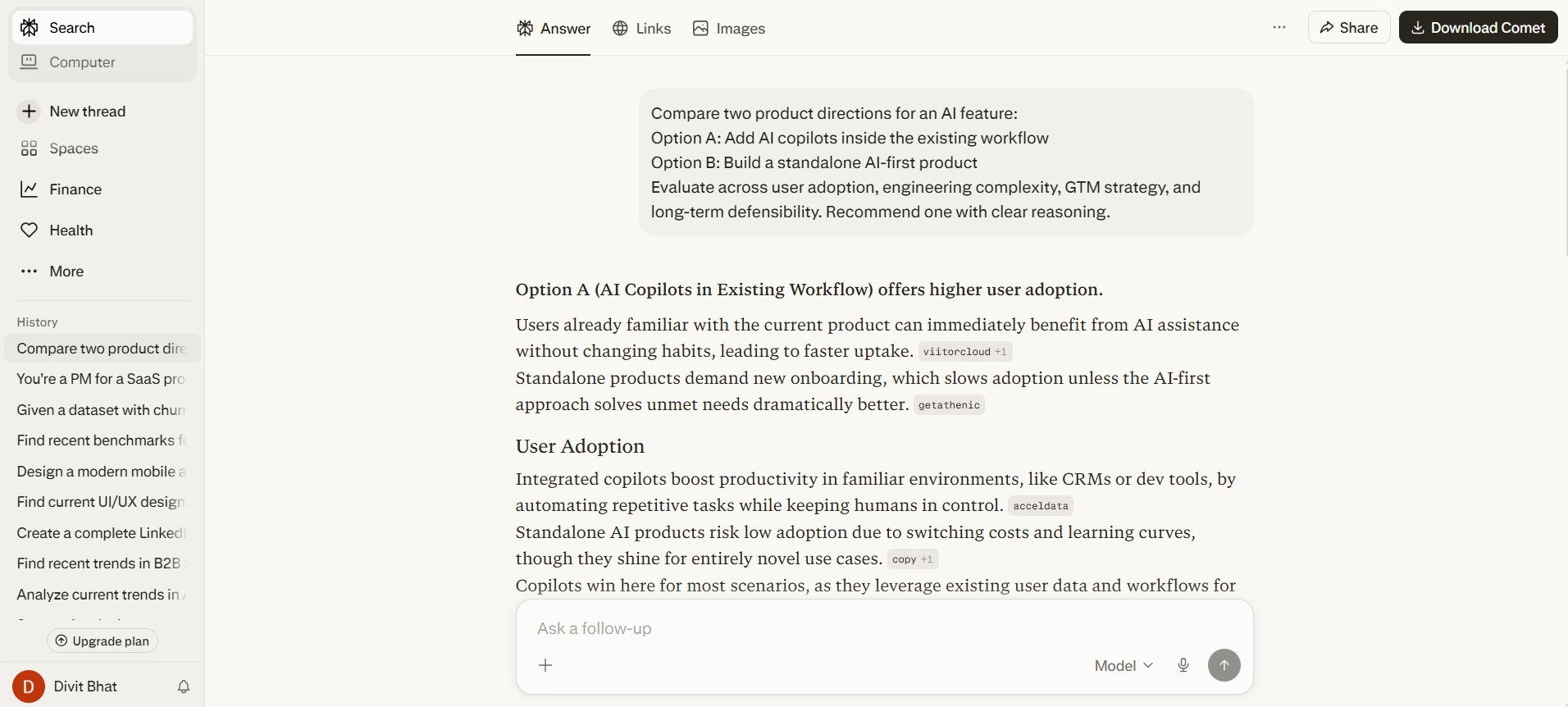
Note: Read the complete output here.
Gemini output
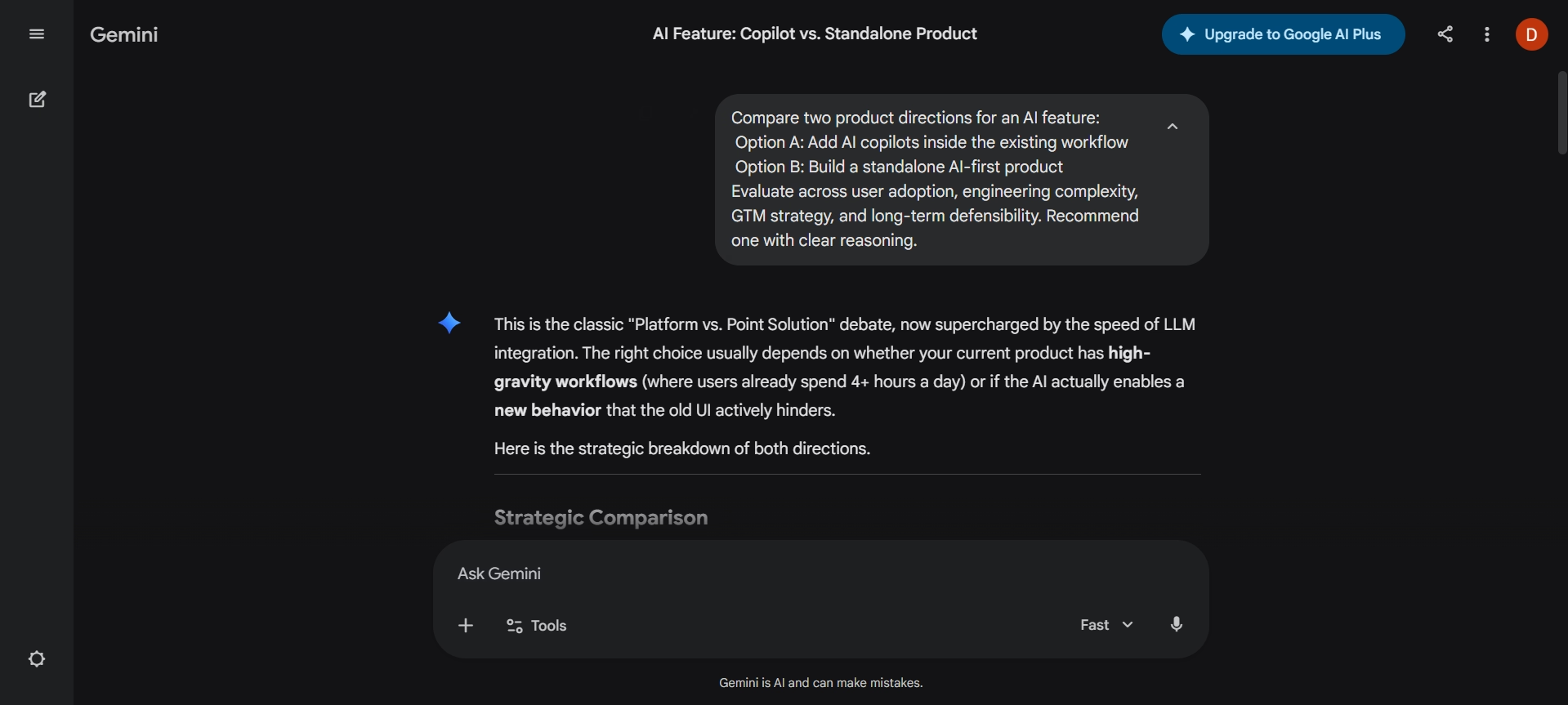
Note: See the complete thread here.
Result
Perplexity approached this as a structured comparison exercise, breaking down each option across dimensions like adoption, complexity, and GTM using familiar product frameworks. It was clear and organized, but leaned toward balanced analysis rather than a strong point of view, with less conviction in the final recommendation.
Gemini handled this more like an actual product decision, weighing trade-offs with sharper judgment and taking a clearer stance. The reasoning felt more opinionated and decisive, especially in how it connected product direction to long-term defensibility and user behavior.
Winner: Gemini
Perplexity vs Gemini: Pricing comparison
Here’s a clean, side-by-side view of how both platforms price their offerings. The key difference is simple, Perplexity charges for better research access, while Gemini bundles AI into a larger ecosystem with multiple tiers.
Perplexity vs Gemini: Pros and cons
At a high level, both tools are powerful, but their strengths come from fundamentally different architectures. Perplexity is optimized for grounded, real-time information retrieval, while Gemini is built for reasoning, multimodal interaction, and task execution. This creates very different trade-offs depending on how you use them.
Perplexity AI: Pros and cons
Gemini: Pros and cons
Final verdict
If you need real-time, source-backed answers, Perplexity AI is the better choice.
If your focus is reasoning, writing, and productivity, Google Gemini is the stronger fit.
But here's the limitation. They stop at answers. You still have to take what they give you and build from there yourself.
This is where vibe coding tools like Emergent change the game.
Instead of just answering questions or generating content, Emergent lets you go from a prompt to working products like full applications, automated workflows, and functional tools, without writing code. Think of it as the next layer. Perplexity helps you research, Gemini helps you think, and Emergent helps you ship.
So the real decision is simple:
- Research -> Perplexity
- Productivity -> Gemini
- Building and shipping real products -> Emergent
Stop asking. Start building.Try Emergent now and go from prompt to product in minutes.

Most AI app builders stop at prototypes. Emergent creates production-ready apps you can actually launch.
- Production-ready apps
- Web & mobile apps
- Deploy in minutes