
According to industry research from the American Massage Therapy Association (AMTA), 48 % of consumers find their massage therapist via the therapist’s website, highlighting the importance of online research in consumer booking behavior. As massage therapy becomes increasingly competitive across private practices, wellness studios, and mobile services, a therapist’s website has become one of the strongest signals of professionalism, safety, and trust.
For massage therapists, a website is not just a marketing asset. It is a booking gateway, an education tool, and a reassurance mechanism for clients who may already feel vulnerable or cautious before their first appointment. The best website builders for massage therapists in 2026 are those that combine clarity, credibility, scheduling support, and calm visual presentation, without requiring therapists to manage complex technology.
What is a website builder for massage therapists?
A website builder for massage therapists is a platform designed to help practitioners create a professional, client-friendly website without relying on agencies or custom development. Unlike generic business websites, massage therapy websites must emphasize trust, cleanliness, certifications, boundaries, and service clarity, while also making it easy for clients to understand offerings and book appointments confidently.
In 2026, strong website builders for massage therapists support service menus, practitioner bios, certifications, booking or inquiry flows, intake guidance, location or mobile service details, and basic SEO visibility. The goal is to reduce friction, answer common client questions upfront, and convert interest into qualified bookings.
Best 5 Website Builders Powering Massage Therapist Websites in 2026
Want More Massage Clients Online? These 5 Website Builders Help in 2026
Suggested Read: Best AI Website Builder
What are the key features of website builders for massage therapists?
1. Clear service descriptions with scope and boundaries
Massage therapy clients want to know exactly what is offered before booking. The right website builder supports detailed service pages that explain techniques, session lengths, target outcomes, contraindications, and professional boundaries. This clarity builds trust and prevents uncomfortable or unsuitable booking requests.
2. Practitioner credibility and certification presentation
Licenses, certifications, training background, and years of experience are critical trust signals in massage therapy. Website builders should allow therapists to present these credentials clearly and professionally, helping new clients feel confident in the practitioner’s legitimacy and expertise.
3. Booking or inquiry workflows that reduce friction
A strong massage therapy website makes it easy for clients to take the next step. Whether through direct online booking or structured inquiry forms, the builder should support smooth scheduling flows that respect availability, session types, and practitioner preferences.
4. Calm, professional design suitable for wellness contexts
Massage therapy websites require a different visual tone than aggressive sales pages. Builders should support clean layouts, soft visual hierarchy, and uncluttered sections that create a sense of calm, safety, and professionalism for visitors.
5. Client education and expectation setting
Clients often have questions about what to expect before, during, and after a session. Website builders should support long-form educational content that explains intake processes, preparation, aftercare, and policies, reducing anxiety and improving session outcomes.
6. Mobile friendly experience for on the go booking
Many clients search for massage services from their phones. Website builders must ensure responsive layouts, readable text, and easy booking or contact actions on mobile devices, where most first interactions happen.
What are the benefits of using website builders for massage therapists?
1. Builds emotional safety and professional trust before first contact
Many massage clients feel uncertainty or hesitation before booking, especially if they are visiting a therapist for the first time. A well structured website allows therapists to explain their approach, credentials, boundaries, and session environment in advance, helping clients feel emotionally safe and confident before reaching out or booking.
2. Filters out unsuitable or misaligned booking requests
Clear service descriptions, scope explanations, and professional boundaries reduce the likelihood of inappropriate or mismatched inquiries. This protects therapists’ time and energy while ensuring that incoming clients understand what the practice offers and what it does not.
3. Creates smoother, more predictable booking workflows
When services, durations, and policies are explained clearly, clients are more likely to book the right session type at the right time. This reduces rescheduling, confusion, and last-minute changes, leading to a more stable and manageable appointment calendar.
4. Reduces pre-session anxiety through education and clarity
Educational content about what to expect before, during, and after a massage helps clients arrive more relaxed and prepared. This improves session quality, client satisfaction, and overall outcomes while reducing the need for repeated explanations during appointments.
5. Establishes long-term professional credibility beyond directories
Directories and booking platforms are transient and often commoditize practitioners. A dedicated website allows massage therapists to build a lasting professional presence that reflects their values, approach, and expertise, independent of third-party rules or ranking algorithms.
6. Supports sustainable practice growth over time
As therapists expand services, specialize in new modalities, or add locations or practitioners, a solid website foundation allows growth without disruption. This supports long-term practice development without constant redesign or platform migration.
5 Best Website Builders for Massage Therapists
Website builders for massage therapists in 2026 fall into different categories, from all in one practice management platforms to flexible website builders focused on branding and presentation. The best choice depends on whether scheduling automation, design control, or long term ownership is the priority.
In the next part, we will start with Emergent, evaluated in full depth specifically for massage therapy practices.
1. Emergent
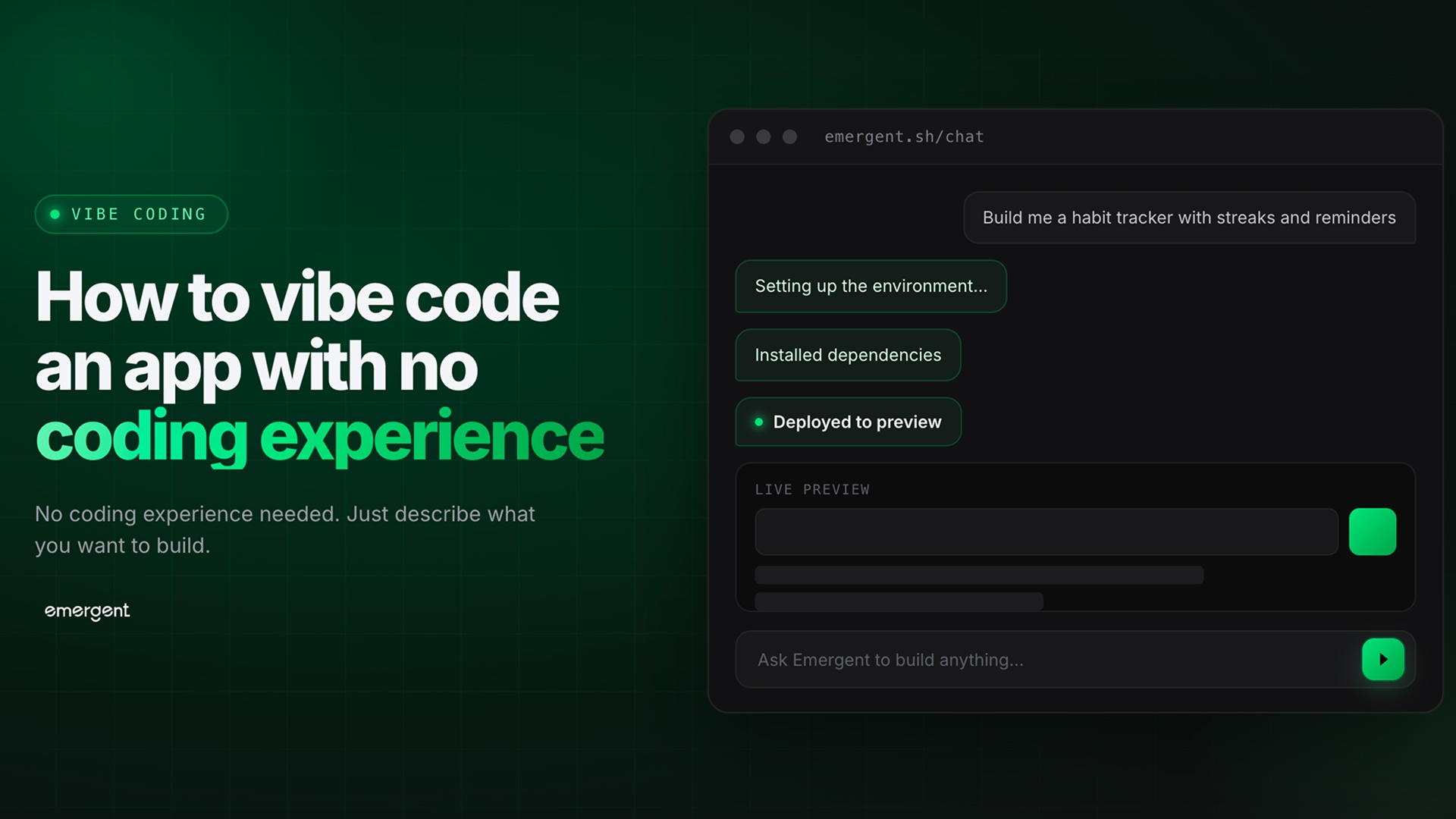
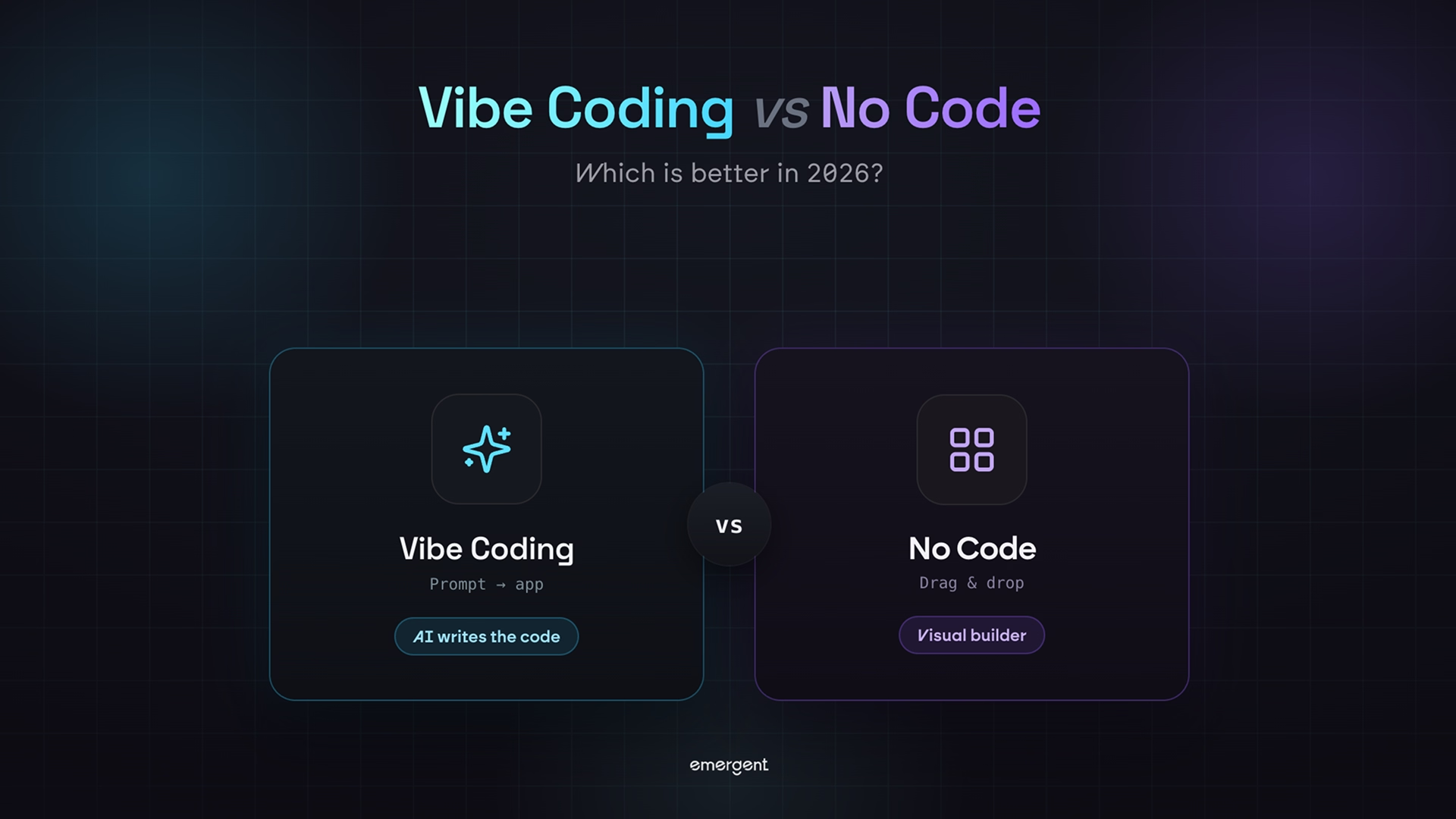
Emergent is one of the best, full-stack, AI-powered vibe coding and no code platforms for massage therapists in 2026 who want their website to function as more than a simple online brochure. For individual practitioners and growing wellness practices, Emergent enables the creation of calm, trust-driven websites that explain services clearly, support structured booking flows, and reinforce professional boundaries without relying on rigid templates or third-party marketplaces.
Emergent is especially well suited for massage therapists who want full control over how their practice is presented, how clients are educated before booking, and how inquiries and appointments are handled as the practice grows.
Key Features of Emergent
1. AI-generated massage therapy websites built from practice-specific context
Emergent allows massage therapists to describe their modalities, treatment philosophy, certifications, target clients, session structure, and boundaries in natural language. From this input, the platform generates a complete website with logically organized sections for services, practitioner background, client education, and booking. This ensures the site reflects how the therapist actually practices, rather than forcing generic spa or wellness templates.
2. Deep service pages that explain techniques, outcomes, and suitability
Emergent supports long-form service descriptions where therapists can explain different massage modalities, session lengths, intended outcomes, and contraindications in detail. This depth helps clients understand which service is appropriate for their needs and reduces confusion or unsuitable bookings before they occur.
3. Structured booking and inquiry workflows aligned with therapist availability
Instead of basic contact forms, Emergent allows therapists to design structured booking or inquiry flows that respect availability, session types, and intake requirements. These workflows help ensure clients request appropriate sessions while giving therapists better visibility into client needs before confirming appointments.
4. Strong support for practitioner credibility and trust signals
Emergent makes it easy to present licenses, certifications, training history, and professional associations clearly within the site structure. For massage therapists, this visible credibility is essential for building trust with first-time clients who may be cautious or unfamiliar with the practitioner.
5. Educational content support for intake, preparation, and aftercare
Therapists can publish detailed educational content explaining what clients should expect before, during, and after a session. This reduces anxiety, improves session outcomes, and ensures clients arrive prepared, which is especially valuable for first-time visitors.
6. Performance-focused and mobile-friendly delivery
Emergent builds websites with performance and responsiveness as core requirements. Massage therapy clients often browse and book on mobile devices, and fast, clean page delivery ensures the site feels professional and accessible at every touchpoint.
Unique Features of Emergent
1. Massage therapy websites treated as trust and safety systems
Emergent approaches massage therapy websites as systems designed to build emotional safety and professional trust. Service explanations, boundaries, and education are first-class components, helping therapists communicate seriousness and care rather than appearing transactional.
2. Full ownership of client communication and booking logic
Unlike directory-based platforms, Emergent gives therapists full control over how bookings and inquiries are structured and handled. This ownership allows therapists to maintain professional standards without being constrained by third-party rules or platform expectations.
3. Ability to encode professional boundaries directly into the site
Emergent allows therapists to clearly define what is and is not offered through structured content and booking logic. This reduces inappropriate inquiries and protects the therapist’s energy and time while maintaining a respectful client experience.
4. Unified system for content, scheduling logic, and client data
Educational pages, service descriptions, booking requests, and client communication all live within the same platform. This reduces fragmentation and allows therapists to manage their practice more professionally without juggling multiple disconnected tools.
5. Adaptable to solo practices and multi-therapist studios
Whether running a solo practice or expanding into a small wellness studio, Emergent adapts to different operational needs. Therapists can add services, practitioners, or locations without restructuring the entire website.
6. Long-term credibility without reliance on external marketplaces
By owning their website and workflows, massage therapists build credibility that compounds over time. Content, search visibility, and client trust are not dependent on changing directory algorithms or platform policies.
Advantages of Emergent
- Enables clear service explanations and expectation setting.
- Supports structured booking and inquiry workflows.
- Reinforces professional credibility and boundaries.
- Reduces unsuitable or inappropriate booking requests.
- Scales cleanly as a practice grows.
- Strong mobile performance for on the go clients.
Limitations of Emergent
- Requires thoughtful input to define services and boundaries clearly.
- May be more powerful than needed for therapists wanting only a basic contact page.
- Best value comes when education and workflows are actively used.
Pricing and Plans of Emergent
| Plan | Pricing | Key Highlights |
|---|---|---|
| Free | $0/month |
|
| Standard | $20/month |
|
| Pro | $200/month |
|
| Team | $300/month |
|
| Enterprise | Custom |
|
Read More About: Emergent Pricing and Plans
2. MassageBook
MassageBook is a practice management and website platform built specifically for massage therapists and bodywork professionals. In 2026, it is widely used by solo practitioners and small wellness practices that want an all in one system combining a simple website, online booking, client management, and payment handling without stitching together multiple tools.
MassageBook is best suited for massage therapists who prioritize scheduling automation, client management, and operational efficiency over deep customization or brand differentiation.
Key Features of MassageBook
1. Integrated online booking designed for massage therapy workflows
MassageBook includes a booking system built specifically around massage sessions, durations, availability, and practitioner schedules. Therapists can define session lengths, buffer times, and availability windows, allowing clients to book appropriate appointments without manual coordination or follow up.
2. Service menus tailored to massage modalities and session types
The platform supports structured service menus where therapists can list modalities, session durations, and pricing clearly. This helps clients understand options upfront and reduces confusion around what each service includes or who it is suitable for.
3. Built in client management and intake handling
MassageBook stores client information, booking history, and notes in a centralized system. This allows therapists to manage ongoing client relationships more efficiently while keeping intake and scheduling information organized in one place.
4. Automated reminders and confirmations to reduce no shows
The platform sends automated appointment confirmations and reminders to clients. This reduces missed appointments and late cancellations, which is critical for solo practitioners whose income depends on consistent scheduling.
5. Simple website pages integrated with booking
MassageBook provides basic website pages where therapists can introduce themselves, explain services, and embed booking directly. This tight integration ensures that visitors can move from discovery to booking without friction or external redirects.
6. Payment processing and transaction handling
MassageBook supports payment collection and transaction tracking within the platform. This simplifies billing and allows therapists to manage payments alongside scheduling rather than through separate tools.
Unique Features of MassageBook
1. Built specifically for massage therapists and bodywork professionals
MassageBook is not a generic website builder adapted for wellness. Its features and workflows are designed around how massage therapists actually operate, which reduces setup friction and learning curves.
2. Combines website, booking, and practice management
Therapists can manage their public website, appointment calendar, and client records from a single system. This consolidation reduces tool sprawl and operational complexity for small practices.
3. Strong focus on scheduling reliability and consistency
By centering the platform around booking accuracy and reminders, MassageBook helps therapists maintain predictable schedules. This operational reliability is often more valuable than visual customization for busy practitioners.
4. Suitable for therapists who do not want to manage technology
MassageBook handles hosting, updates, and infrastructure automatically. Therapists can focus on client care rather than maintaining a website or booking system.
5. Familiar experience for clients booking massage services
Many clients have used MassageBook across different therapists. This familiarity can reduce hesitation and make booking feel straightforward and safe for first time visitors.
6. Practical fit for solo and small multi practitioner practices
MassageBook scales reasonably from solo therapists to small studios without introducing excessive complexity, making it suitable for practices that want operational consistency.
Advantages of MassageBook
- Purpose built for massage therapy booking workflows.
- Reduces administrative overhead through automation.
- Integrated client management and reminders.
- Simple website and booking experience for clients.
- Handles payments and scheduling in one system.
- Low setup effort for busy practitioners.
Limitations of MassageBook
- Limited design and branding flexibility.
- Website customization options are basic.
- Less suitable for strong personal brand differentiation.
- SEO and content depth are limited.
- Platform dependency reduces long term ownership.
- Scaling beyond core workflows can feel restrictive.
Pricing and Plans of MassageBook
| Plan | Pricing | Key Highlights |
|---|---|---|
| Transition | $20.00/month |
|
| Simplify | $40.00/month |
|
| Amplify | $50.00/month |
|
3. Zarla
Zarla is an AI driven website builder focused on helping small local service businesses launch professional websites quickly with minimal effort. In 2026, Zarla is commonly used by massage therapists who want a clean, credible online presence fast, without managing design decisions, content structure, or technical setup themselves.
Zarla is best suited for massage therapists who want a simple, professional website that establishes legitimacy and supports basic lead capture, rather than deep customization or complex booking workflows.
Key Features of Zarla
1. AI generated websites optimized for local service practices
Zarla creates massage therapy websites by asking high level questions about services, location, and business type. From this input, it generates a complete site structure with service pages, trust elements, and contact sections designed for local client discovery and conversion.
2. Service focused layouts that emphasize clarity and trust
The platform prioritizes clear service descriptions, visible calls to action, and straightforward navigation. For massage therapists, this helps visitors quickly understand what is offered, where the practice operates, and how to get in touch without feeling overwhelmed.
3. Built in local SEO and business information support
Zarla structures pages to surface location details, service areas, and business information clearly. This supports local search visibility, which is critical for massage therapists who rely on nearby clients rather than broad online reach.
4. Simple contact and inquiry forms
Zarla includes basic inquiry forms that allow potential clients to reach out easily. While not a full booking system, these forms provide a low friction way for visitors to initiate contact or request information before booking.
5. Mobile optimized layouts by default
All Zarla websites are designed to work well on mobile devices. This ensures clients searching for massage services on their phones can read content, understand services, and contact the therapist comfortably.
6. Managed hosting and maintenance handled automatically
Zarla takes care of hosting, security, and platform updates. Massage therapists do not need to worry about technical maintenance, which keeps ongoing effort low.
Unique Features of Zarla
1. Designed specifically for local service credibility
Zarla focuses on helping small local businesses look legitimate and trustworthy quickly. This aligns well with massage therapists who need to establish professionalism rather than stand out through complex branding.
2. Extremely fast setup with minimal decisions
Therapists can launch a website quickly without choosing templates, layouts, or design systems. This speed is useful for new practices or therapists transitioning from directories to owning a website.
3. Consistent and professional visual presentation
Zarla enforces design consistency across pages, which helps maintain a calm and professional appearance suitable for wellness services without requiring design expertise.
4. Low cognitive and maintenance burden
Because most decisions are automated, therapists spend very little time managing their website after launch. This suits practitioners who want a website that simply works in the background.
5. Clear focus on lead generation rather than content depth
Zarla prioritizes helping visitors contact the business quickly. This makes it effective for simple lead capture, though less suitable for extensive education or content heavy practices.
6. Practical entry point for first time website owners
Massage therapists building their first website often find Zarla approachable. The platform reduces intimidation and helps achieve a professional baseline presence quickly.
Advantages of Zarla
- Very fast website setup with minimal effort.
- Clean and professional presentation for local practices.
- Built in local SEO support.
- Mobile friendly by default.
- Hosting and maintenance handled automatically.
- Good option for first time website owners.
Limitations of Zarla
- Limited customization and branding control.
- No advanced booking or scheduling workflows.
- Content depth and education support are basic.
- Less suitable for therapists with strong personal brands.
- Platform dependency limits long term flexibility.
- Scaling to complex practices requires migration.
Pricing and Plans of Zarla
| Plan | Pricing | Key Highlights |
|---|---|---|
| Premium Website Builder | US$11.99/month |
|
| Business Website Builder | US$23.99/month |
|
4. Squarespace
Squarespace is a design-first website builder that many massage therapists use in 2026 to create calm, professional, and visually reassuring websites without touching code. It is especially popular among independent practitioners, boutique wellness studios, and therapists who rely on first impressions, ambiance, and professionalism to convert cautious first-time clients.
Squarespace is best suited for massage therapists who want a polished, trust-building website that clearly explains services, communicates professionalism, and supports inquiry or light booking flows, without requiring deep technical setup or ongoing maintenance.
Key Features of Squarespace
1. Professionally designed templates aligned with wellness and personal care contexts
Squarespace provides templates that emphasize clean layouts, soft typography, balanced spacing, and visual calm. For massage therapists, this design language is critical because clients often associate visual clutter or aggressive layouts with unprofessional or unsafe experiences. The templates help create an immediate sense of trust and comfort before any content is read.
2. Structured service pages for clear expectation setting
Massage therapists can create dedicated service pages that explain different modalities, session lengths, pricing ranges, and intended outcomes. Squarespace supports clean sectioning and long-form descriptions, which allows therapists to set boundaries clearly and reduce misunderstandings before a client ever books or reaches out.
3. Strong support for practitioner bios and credibility signals
Squarespace makes it easy to present practitioner background, certifications, training history, and philosophy in a polished way. For massage therapists, clearly displaying credentials and professional experience is often the deciding factor for first-time clients choosing between multiple local options.
4. Built-in contact forms and light scheduling integrations
Squarespace includes native contact forms and integrates with scheduling tools, allowing therapists to collect inquiries or offer consultation booking without complex configuration. This supports a smooth next step for clients while still giving therapists control over how and when appointments are confirmed.
5. Responsive design optimized for mobile browsing
Squarespace websites adapt cleanly across desktop and mobile devices without manual adjustment. Since many massage clients search and book from their phones, this ensures readability, ease of contact, and a frictionless browsing experience regardless of device.
6. Managed hosting, security, and platform stability
Squarespace handles hosting, SSL security, and platform updates automatically. This reduces technical burden for massage therapists who want a reliable website presence without worrying about maintenance, downtime, or security management.
Unique Features of Squarespace
1. Visual consistency that reinforces calm and professionalism
Squarespace enforces design consistency across pages, which helps maintain a soothing, cohesive aesthetic. For massage therapy practices, this consistency reinforces professionalism and reduces subconscious client anxiety when navigating the site.
2. Strong fit for boutique and solo wellness practices
Squarespace works particularly well for therapists who run solo practices or small studios where personal brand, ambiance, and philosophy matter. The platform allows the website to feel intentional and curated rather than generic.
3. Integrated blogging and educational content capabilities
Therapists can publish articles about massage benefits, preparation tips, aftercare guidance, or wellness education. This content helps educate clients, reduce pre-session anxiety, and improve search visibility over time.
4. Predictable editing experience for non-technical users
The Squarespace editor behaves consistently across pages, which allows therapists to update content confidently without fear of breaking layouts. This is important for practices that update services, availability, or policies periodically.
5. Long-term suitability without frequent redesigns
Squarespace websites tend to age well visually. Therapists can update content and imagery over time without needing frequent redesigns, which supports long-term credibility and stability.
6. Optional ecommerce support for prepaid sessions and packages
Squarespace allows therapists to sell session packages, gift cards, or prepaid services directly through the website. This supports revenue predictability while maintaining a professional checkout experience.
Advantages of Squarespace
- Calm, professional visual presentation suited to massage therapy.
- Strong tools for service explanation and practitioner credibility.
- Easy to manage without technical expertise.
- Mobile friendly experience for on the go clients.
- Reliable hosting and security included.
- Suitable for long-term solo or boutique practices.
Limitations of Squarespace
- Limited flexibility for complex booking logic.
- Not a full practice management system.
- Advanced customization is constrained by templates.
- SEO control is solid but not highly granular.
- Less suitable for multi-therapist operational workflows.
- Scaling beyond presentation often requires integrations.
Pricing and Plans of Squarespace
| Plan | Pricing | Key Highlights |
|---|---|---|
| Personal | $25/month | Simple websites for portfolios and blogs, SSL and unlimited bandwidth included, limited to 2 contributors |
| Business | $36/month | Advanced analytics, custom code, professional email integration, supports selling with a 3% transaction fee |
| Basic Commerce | $40/month | Full e-commerce features, no Squarespace transaction fees on physical products, POS support for online stores |
| Advanced Commerce | $72/month | Advanced e-commerce tools like subscriptions, abandoned cart recovery, advanced shipping, and lowest transaction fees |
5. Soloist.ai
Soloist.ai is an AI-powered website builder positioned specifically for solo professionals and service providers who want a simple, automated way to get online quickly. In 2026, Soloist.ai is increasingly used by massage therapists who want a clean, modern website that communicates services clearly, captures inquiries, and looks professional, without spending time on design decisions or technical setup.
Soloist.ai is best suited for massage therapists running solo practices who want speed, simplicity, and a credible online presence, rather than deep customization or complex booking and practice management systems.
Key Features of Soloist.ai
1. AI-generated websites tailored to solo service professionals
Soloist.ai builds websites by asking questions about services, specialization, location, and business goals. For massage therapists, this results in a structured site that includes service descriptions, practitioner information, and contact flows designed specifically for one-person practices. This approach reduces setup friction and helps therapists get online quickly with a coherent structure.
2. Service-first page layouts focused on clarity and conversion
The platform prioritizes clear service presentation over decorative design. Massage modalities, session formats, and value propositions are presented in straightforward sections that help visitors understand offerings quickly and decide whether to reach out or book.
3. Integrated inquiry and lead capture workflows
Soloist.ai includes built-in inquiry forms that allow clients to request information or initiate contact easily. While not a full booking system, these workflows are designed to capture essential context so therapists can respond efficiently and appropriately.
4. Mobile optimized experience designed for local discovery
Soloist.ai websites are optimized for mobile by default. This ensures clients searching for massage services on their phones can read service descriptions, understand credentials, and initiate contact without friction or layout issues.
5. Automated hosting, security, and maintenance
The platform handles hosting, SSL security, and updates automatically. Massage therapists do not need to manage infrastructure, which reduces ongoing effort and technical risk.
6. Clean, modern visual presentation without design decisions
Soloist.ai enforces a minimal, modern aesthetic across sites. This visual consistency helps establish professionalism and avoids common design mistakes, especially for therapists without design experience.
Unique Features of Soloist.ai
1. Designed specifically for solo practitioners rather than teams
Soloist.ai is optimized for individuals running their own practice. The platform assumes a single practitioner model, which simplifies setup and reduces unnecessary complexity for massage therapists working independently.
2. Extremely fast time to launch
Therapists can go from no website to a published site quickly by answering a small set of questions. This speed is valuable for new practices or therapists transitioning away from directories and social media.
3. Low cognitive and maintenance burden
Because content structure, design, and hosting are handled automatically, therapists spend minimal time managing their website after launch. This allows more focus on client care rather than technology.
4. Consistent presentation that reinforces legitimacy
Soloist.ai sites follow consistent layout and content patterns. This predictability helps convey legitimacy and professionalism to first-time visitors, which is particularly important in wellness services.
5. Practical entry point for therapists new to websites
Massage therapists building their first website often find Soloist.ai approachable. The platform removes many early barriers and provides a professional baseline presence without intimidation.
6. Suitable for simple inquiry driven practices
Soloist.ai works best when the primary goal is to explain services clearly and collect inquiries. Therapists who do not need advanced scheduling logic or extensive educational content benefit most from this focused approach.
Advantages of Soloist.ai
- Very fast setup for solo massage therapists.
- Clean, professional presentation without design effort.
- Mobile friendly and optimized for local discovery.
- Low ongoing maintenance and technical overhead.
- Clear service focused layouts.
- Good entry point for first time website owners.
Limitations of Soloist.ai
- Limited customization and branding flexibility.
- No advanced booking or practice management features.
- Content depth and educational support are basic.
- Not suitable for multi-therapist studios.
- Platform dependency limits long term ownership.
- Scaling beyond simple use cases requires migration.
Pricing and Plans of Soloist.ai
| Plan | Pricing | Key Highlights |
|---|---|---|
| Free | $0 |
|
| Pro | $25/month |
|
How to choose the best website builder for massage therapists
1. Prioritize trust, safety, and professional boundaries over visual flair
Massage therapy clients often arrive with apprehension, especially first-time visitors. The website builder you choose must support clear explanations of services, practitioner credentials, and professional boundaries so clients feel emotionally safe before booking. Builders that prioritize calm layouts, readable content, and transparency help reduce anxiety and set the tone for a respectful therapeutic relationship.
2. Evaluate how clearly services and suitability can be explained
Massage therapy is not one size fits all. A strong website builder should allow detailed explanations of modalities, session lengths, intended outcomes, and contraindications. This clarity helps clients self-select the right service, reduces unsuitable bookings, and prevents misunderstandings that can negatively affect both client experience and practitioner workload.
3. Assess booking and inquiry workflows for alignment with your practice style
Some therapists want full online booking, while others prefer inquiry-first workflows to screen clients or manage availability manually. Choose a builder that aligns with how you actually operate, rather than forcing you into a scheduling model that feels uncomfortable or unsafe for your practice.
4. Consider how much control you want over education and expectation setting
Educational content around intake, preparation, aftercare, and policies improves outcomes and reduces repetitive conversations. A good builder should support long-form content and clear sectioning so this education is easy to access and understand before the first appointment.
5. Think about long-term credibility and ownership
Directories and third-party platforms can change rules, visibility, or fees at any time. Selecting a website builder that gives you ownership over content, presentation, and client communication helps your professional credibility compound over time without dependency on external platforms.
Why is Emergent the best website builder for massage therapists?
1. Massage therapy websites are built as trust and safety systems
Emergent treats massage therapy websites as environments designed to establish emotional safety, professionalism, and clarity. Service explanations, boundaries, and education are core structural elements, not afterthoughts, which aligns directly with how clients decide whether they feel comfortable booking a session.
2. Deep service explanation and suitability by design
Emergent allows therapists to explain modalities, outcomes, and contraindications in depth through structured service pages. This helps clients understand what each session is for, who it is suitable for, and what to expect, reducing confusion and improving booking quality.
3. Structured inquiry and booking logic aligned with therapist control
Rather than forcing a rigid booking model, Emergent supports structured inquiry and booking flows that respect therapist availability, preferences, and intake requirements. This gives therapists control over how clients enter the practice while still keeping the process smooth and professional.
4. Clear presentation of credentials and professional legitimacy
Emergent makes it easy to surface licenses, certifications, training history, and professional philosophy in a visible and organized way. For massage therapists, this credibility is often the deciding factor for cautious first-time clients choosing between multiple providers.
5. Long-term ownership without reliance on directories
By owning their website, content, and workflows on Emergent, massage therapists are not dependent on directory rankings or third-party platforms. Trust, search visibility, and client relationships grow over time without being reset by external changes.
Conclusion
In 2026, the best website builders for massage therapists are those that prioritize trust, clarity, and professional control over speed or surface-level aesthetics. A massage therapy website plays a critical role in helping clients feel safe, informed, and confident before booking their first session.
Emergent stands out by enabling massage therapists to build websites that function as complete trust and communication systems. For practitioners who value education, boundaries, and long-term credibility, Emergent provides the strongest and most future-ready foundation.
Emergent designs, writes, and publishes your whole site from one prompt. No templates, no drag-and-drop.
- Full site from one prompt
- Custom design, real pages
- Publish in minutes