


AI-Personalized Coffee Brews Debut in Addis Ababa

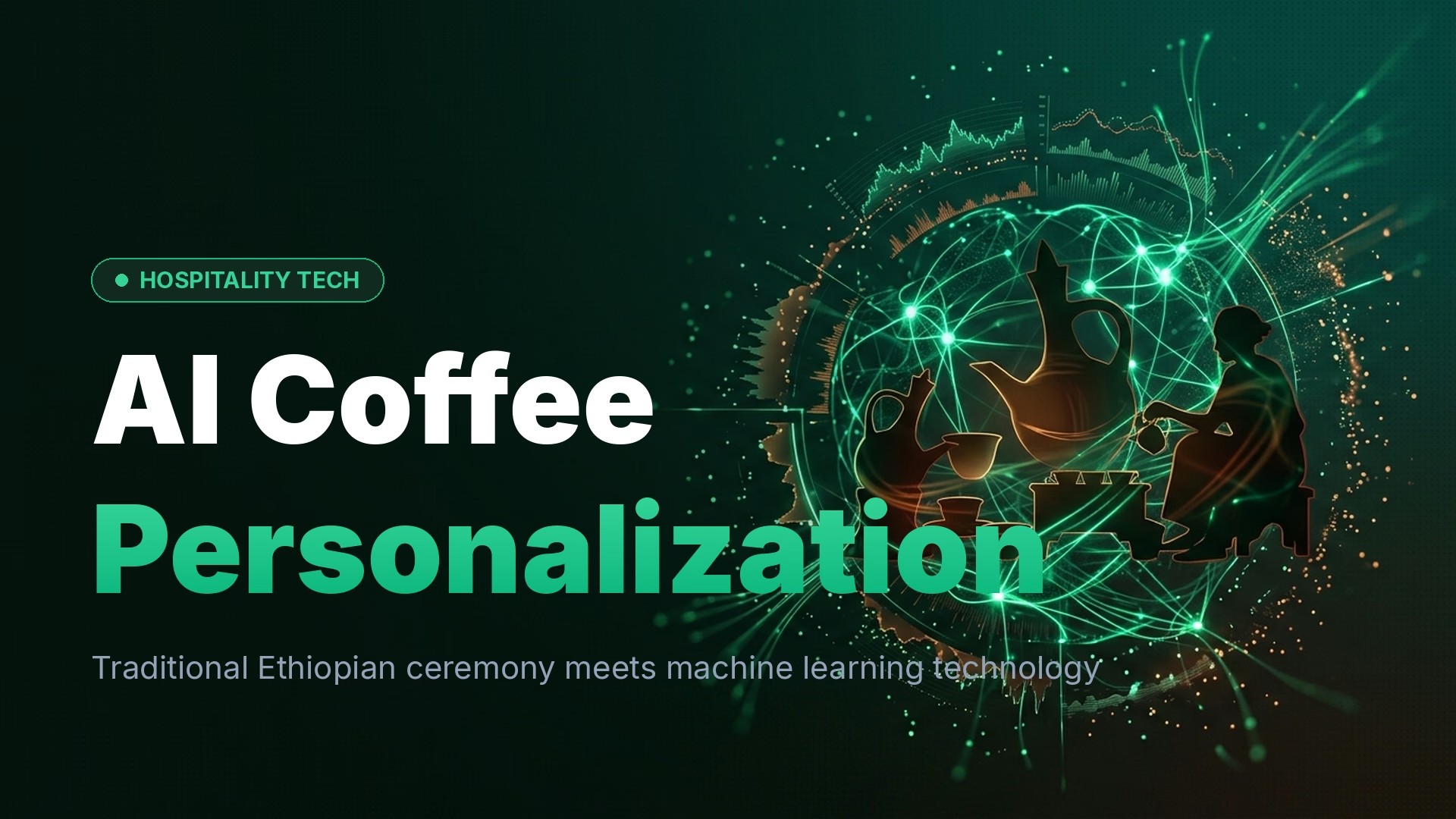
India's External Affairs Minister S. Jaishankar shared his experience with AI-powered coffee personalization technology during a diplomatic visit to Addis Ababa, Ethiopia. The minister's encounter with machine learning-enhanced brewing systems highlights the growing integration of artificial intelligence into traditional cultural practices, particularly within Ethiopia's renowned coffee heritage.
Traditional Meets Technology
Ethiopia's coffee ceremony, a cultural cornerstone dating back centuries, has received a modern technological upgrade through AI personalization systems. The traditional process, which involves roasting green coffee beans over charcoal and brewing in a clay pot called a jebena, now incorporates machine learning algorithms that analyze individual taste preferences. These systems adjust variables including water temperature, brewing duration, and bean-to-water ratios based on consumer feedback patterns.
The technology deployed in Addis Ababa hospitality venues utilizes sensor arrays and predictive modeling to create customized brew profiles. According to reports from the minister's visit, the AI system learned his preferences within two iterations, demonstrating the technology's rapid adaptation capabilities.
Release Date and Availability
Officially launched on October 10, 2026, during Minister Jaishankar's diplomatic engagement in Ethiopia's capital. The AI coffee personalization systems have been deployed across select high-end hotels and cultural centers in Addis Ababa, with plans for broader rollout throughout Ethiopia's hospitality sector. Industry observers note this represents one of the first large-scale implementations of AI technology specifically designed to preserve and enhance traditional cultural practices rather than replace them.
Technical Implementation
The AI personalization platform operates through several integrated components:
- Taste profile algorithms that process user feedback through natural language input and preference ratings
- Real-time brewing parameter adjustment systems controlling temperature precision within 0.5-degree margins
- Historical data analysis comparing individual preferences against broader taste pattern databases
- Integration with traditional coffee preparation methods, maintaining cultural authenticity while optimizing outcomes
Developers reportedly trained the system on thousands of coffee preference profiles collected from international visitors and local coffee experts, creating a foundation model that continues learning from each interaction.
Cultural and Economic Implications
Ethiopia produces approximately 400,000 tons of coffee annually, making it Africa's fifth-largest coffee producer. The integration of AI personalization technology positions Ethiopian coffee experiences as premium offerings in global hospitality markets. Tourism officials suggest this technological enhancement could attract tech-savvy travelers seeking authentic cultural experiences augmented by modern convenience.
The approach contrasts sharply with automated coffee systems that eliminate human involvement. Here, traditional coffee ceremony practitioners work alongside AI systems, using algorithmic recommendations to refine their craft while maintaining ceremonial integrity. This hybrid model preserves employment in the coffee hospitality sector while increasing value proposition for consumers.
What This Means
The deployment of AI personalization in Ethiopia's coffee culture demonstrates how machine learning can enhance rather than replace traditional practices. For the hospitality industry, this represents a template for integrating technology into heritage experiences without sacrificing cultural authenticity. As AI systems become more sophisticated at learning individual preferences, we can expect similar applications across food and beverage sectors globally, particularly in regions with strong culinary traditions seeking to modernize their offerings while preserving cultural identity. Minister Jaishankar's public endorsement of the technology may accelerate adoption in diplomatic and tourism venues across emerging markets.



on Emergent today




