


Apple Screenless Fitness Tracker Rivals Whoop in 2026

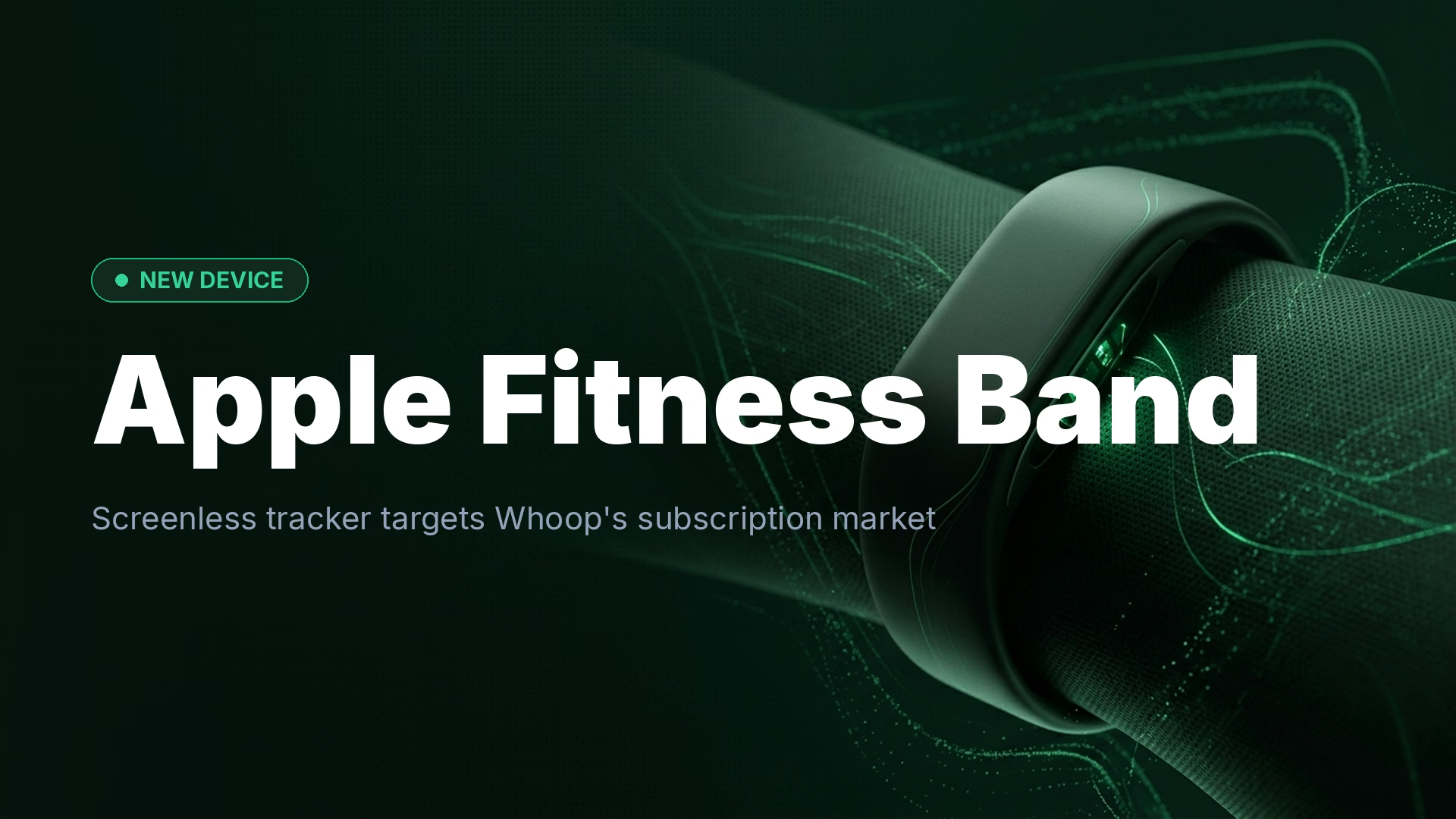
Expected to release on later in 2026.
Apple is reportedly developing a screenless fitness tracker designed to compete directly with Whoop, the subscription-based wearable that has gained traction among athletes and fitness enthusiasts. The move would represent a significant departure from Apple's current wearable strategy, which centers on the feature-rich Apple Watch with its prominent display and broad app ecosystem.
Screenless Design Philosophy
According to industry sources, the rumored device would eliminate the traditional display interface entirely, focusing instead on passive data collection and smartphone-based insights. This approach mirrors Whoop's design philosophy, which emphasizes continuous health monitoring without the distraction of notifications or on-device interactions. Users would rely on a companion iPhone app to review metrics like heart rate variability, recovery scores, strain levels, and sleep quality.
The screenless format could appeal to users seeking a more minimalist wearable experience. By removing the display, Apple could potentially reduce device size, extend battery life beyond the Apple Watch's typical 18-hour runtime, and lower the entry price point. The tracker would likely prioritize core biometric sensors over the smartwatch features that define Apple's existing wearable lineup.
Competitive Positioning Against Whoop
Whoop has carved out a niche in the fitness wearable market with its subscription model, charging users a monthly fee that includes both the hardware and access to analytics. The company's 4.0 device offers continuous monitoring without a screen, making it popular among professional athletes, CrossFit enthusiasts, and health-conscious consumers who want detailed recovery insights without constant screen time.
An Apple entry into this category would bring significant brand recognition and ecosystem integration advantages. The company could leverage existing HealthKit infrastructure, Fitness Plus subscriptions, and deep iOS integration to deliver a compelling alternative. However, Apple would need to decide whether to adopt a similar subscription model or stick with its traditional hardware sales approach.
Expected Release Timeline
Industry analysts suggest the screenless fitness tracker is expected to release later in 2026, though Apple has not confirmed the product's existence. Development timelines for new hardware categories often shift, and the company may still be evaluating market demand and technical specifications. If the project moves forward, it would mark Apple's first purpose-built device for the subscription wearables segment.
Technical Capabilities and Sensor Array
While specific hardware details remain unconfirmed, the device would likely incorporate advanced sensors from Apple's existing wearable technology portfolio. Potential features include:
- Continuous heart rate and HRV monitoring using optical sensors
- Sleep stage tracking with accelerometer and respiratory rate detection
- Skin temperature sensing for recovery and cycle tracking
- Water resistance for swimming and shower wear
- Multi-day battery life optimized for 24/7 wear
The tracker would presumably sync data to iCloud and integrate with Apple's Health app, providing a centralized dashboard for long-term trend analysis. Machine learning algorithms could deliver personalized recommendations based on activity patterns, similar to Whoop's strain and recovery scoring system.
What This Means
Apple's reported move into screenless fitness tracking signals growing recognition of the minimal-interface wearables category. If the product launches as described, it would give consumers a new option between the full-featured Apple Watch and the focused, analytics-driven approach pioneered by Whoop. The success of such a device would depend heavily on pricing strategy, subscription model decisions, and whether Apple can deliver differentiated insights that justify choosing a more limited device over the versatile Apple Watch. For Whoop and similar competitors, an Apple entry would validate their market approach while intensifying competition for subscription revenue and user attention.


on Emergent today




