


Meta Tests Robots in Data Centers for Technician Tasks

Officially launched on August 2026.
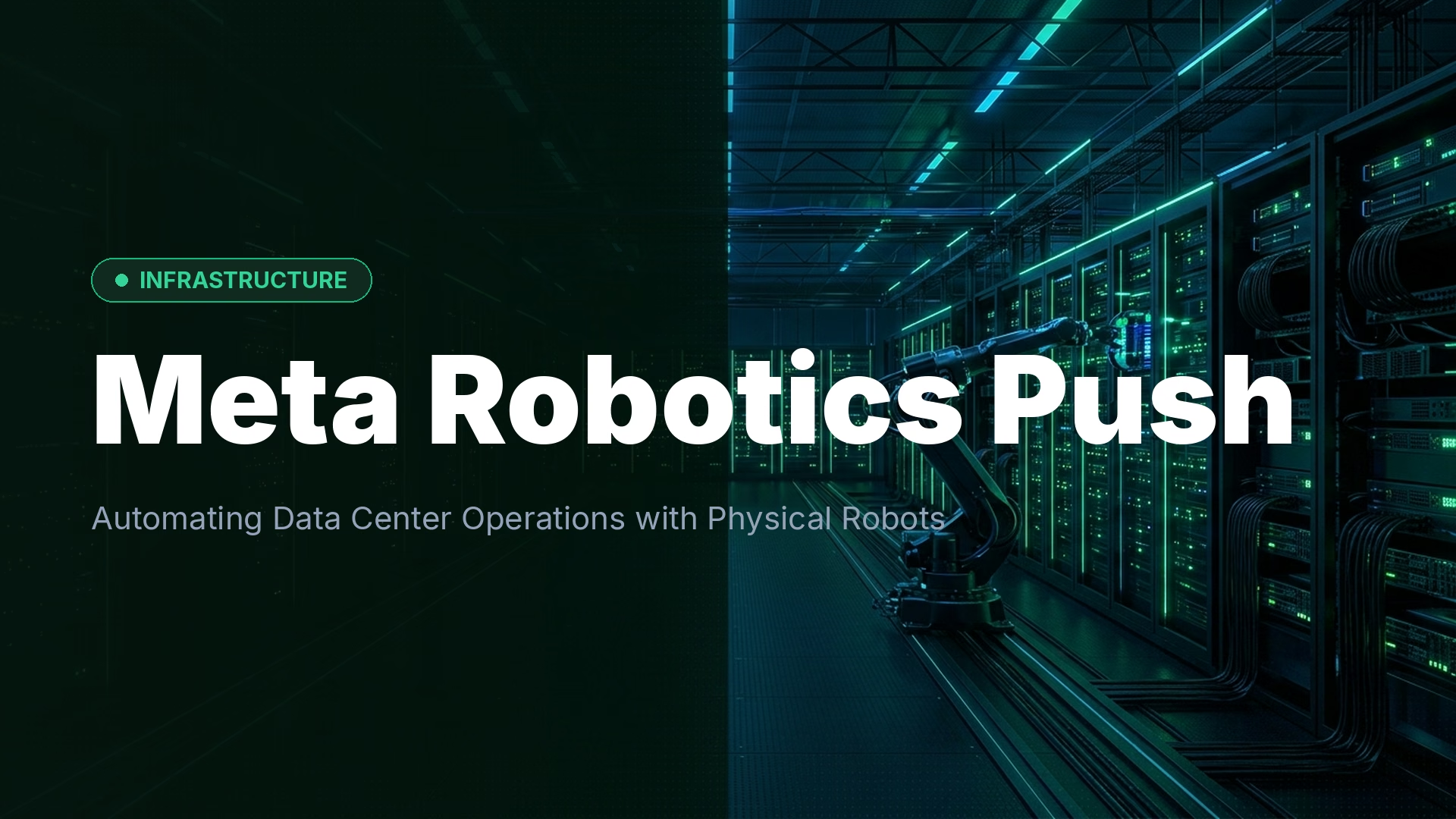
Meta is actively testing robotic systems inside its data center facilities to automate routine maintenance tasks traditionally handled by human technicians. The deployment represents one of the first large-scale applications of physical robotics in hyperscale computing infrastructure, targeting operations like equipment monitoring, cable management, and hardware diagnostics. According to Ars Technica AI, the initiative aims to reduce operational costs while maintaining the reliability standards required for AI training and production workloads.
Robotic Tasks and Capabilities
The robots deployed by Meta focus on repetitive, rule-based activities that consume significant technician hours. Key applications include visual inspections of server racks, thermal monitoring of cooling systems, and physical verification of hardware configurations. These systems use computer vision and sensor arrays to detect anomalies like loose cables, overheating components, or misaligned equipment. By automating these checks, Meta can redirect human staff toward complex troubleshooting and strategic infrastructure planning.
Early testing suggests the robots can perform basic data monitoring tasks with accuracy comparable to human technicians while operating continuously across shifts. The systems integrate with Meta's existing facility management software, logging findings and flagging issues that require human intervention. This hybrid model preserves human oversight while eliminating hours of manual walkthrough inspections.
Release Date and Deployment Timeline
Officially launched in August 2026 as a pilot program, the robotic systems are currently active in select Meta data centers across the United States. The company has not disclosed the exact number of facilities involved or the scale of robot deployment. Industry sources suggest Meta plans to evaluate pilot results over six to twelve months before deciding on broader rollout across its global data center footprint.
Industry Context and Competitive Pressure
Meta's robotics push reflects mounting pressure on hyperscale operators to optimize infrastructure costs as AI workloads drive explosive growth in compute demand. Competitors including Google, Amazon Web Services, and Microsoft have explored similar automation strategies, though public details remain limited. The shift toward robotic technicians aligns with broader trends in industrial automation, where repetitive tasks in controlled environments offer favorable conditions for robot deployment.
Data center operators face unique challenges compared to manufacturing or warehouse automation. Facilities require precision handling of sensitive equipment, real-time response to critical failures, and strict security protocols. Meta's approach appears to prioritize low-risk tasks first, building confidence in robotic reliability before expanding into higher-stakes operations like server replacement or emergency repairs.
Workforce and Operational Implications
The deployment raises questions about the future role of data center technicians. Meta has emphasized that robots will augment rather than replace human staff, freeing workers from repetitive tasks to focus on complex problem-solving. However, the long-term impact on technician headcount remains uncertain as automation scales. Union representatives and labor groups have raised concerns about job displacement in an industry already facing pressure to reduce operational expenses.
Operationally, robots offer advantages beyond labor cost savings. They eliminate human error in routine checks, provide consistent data monitoring quality, and enable 24/7 operations without fatigue. For Meta, which operates some of the world's largest AI training clusters, even small efficiency gains translate to significant cost reductions at scale. The company's willingness to test unproven robotics technology signals confidence in the return on investment despite upfront deployment costs.
What This Means
Meta's data center robotics initiative marks a significant step in the physical automation of AI infrastructure. If successful, the pilot could accelerate adoption across the industry, reshaping how hyperscale operators manage facilities and allocate human capital. The deployment also highlights the expanding definition of AI infrastructure beyond software and chips to include the robotic systems that maintain the hardware powering large language models and recommendation engines. As compute demands intensify, expect more operators to explore robotics as a lever for cost control and operational efficiency.

on Emergent today




