


Microsoft Disrupts AI Platform Behind 12,000 Account Hack

Microsoft has successfully disrupted EvilTokens, a sophisticated AI-assisted cybercrime platform that compromised more than 12,000 Microsoft accounts through automated credential stuffing attacks. Officially launched on September 22, 2026, the takedown represents a significant victory against the growing threat of AI-powered cybercrime infrastructure that makes large-scale account compromises faster and easier for attackers with minimal technical skills.
How the AI-Assisted Platform Operated
EvilTokens provided cybercriminals with an end-to-end automated attack infrastructure that streamlined every stage of credential stuffing operations. The platform combined stolen username and password combinations with AI-powered automation tools that could bypass common security measures, including CAPTCHA challenges and multi-factor authentication prompts in certain configurations.
According to Microsoft's threat intelligence analysis, the platform featured a user-friendly interface that allowed attackers with limited technical expertise to launch sophisticated campaigns. Built-in CAPTCHA-solving services and residential proxy networks enabled attackers to mask their locations and evade detection systems that typically flag suspicious login patterns.
Scale and Impact of the Attack Campaign
The disruption revealed the extent of EvilTokens' operations across Microsoft's ecosystem:
- Over 12,000 confirmed compromised Microsoft accounts spanning enterprise and consumer segments
- Automated testing of millions of credential combinations sourced from previous data breaches
- Attack campaigns targeting Outlook, OneDrive, and Microsoft Teams accounts for further exploitation
- Evidence of credential data being sold on underground marketplaces to fund additional criminal operations
Microsoft's security teams identified unusual login patterns originating from the platform's infrastructure, triggering the investigation that led to the takedown. The compromised accounts were used for business email compromise schemes, data exfiltration, and launching secondary phishing campaigns against the victims' contacts.
Microsoft's Coordinated Takedown Response
Microsoft's Digital Crimes Unit executed a multi-pronged disruption strategy in collaboration with international law enforcement agencies. The operation involved seizing server infrastructure, obtaining court orders to disable domain names associated with the platform, and working with hosting providers to terminate services supporting the criminal operation.
The company also implemented enhanced detection signatures across its security systems to identify accounts that may have been compromised through EvilTokens. Affected users received mandatory password reset notifications and guidance on enabling stronger authentication methods to prevent re-compromise.
What This Means for Enterprise Security
The EvilTokens disruption highlights the evolving threat landscape where AI automation lowers the barrier to entry for cybercriminals. Organizations relying on Microsoft services should implement phishing-resistant multi-factor authentication, monitor for unusual account activity patterns, and educate users about credential hygiene. Microsoft recommends enabling passwordless authentication methods and using Microsoft Defender for Office 365 to detect compromised account behavior. The takedown demonstrates that while AI can accelerate attacks, coordinated public-private partnerships remain effective at disrupting criminal infrastructure before widespread damage occurs.
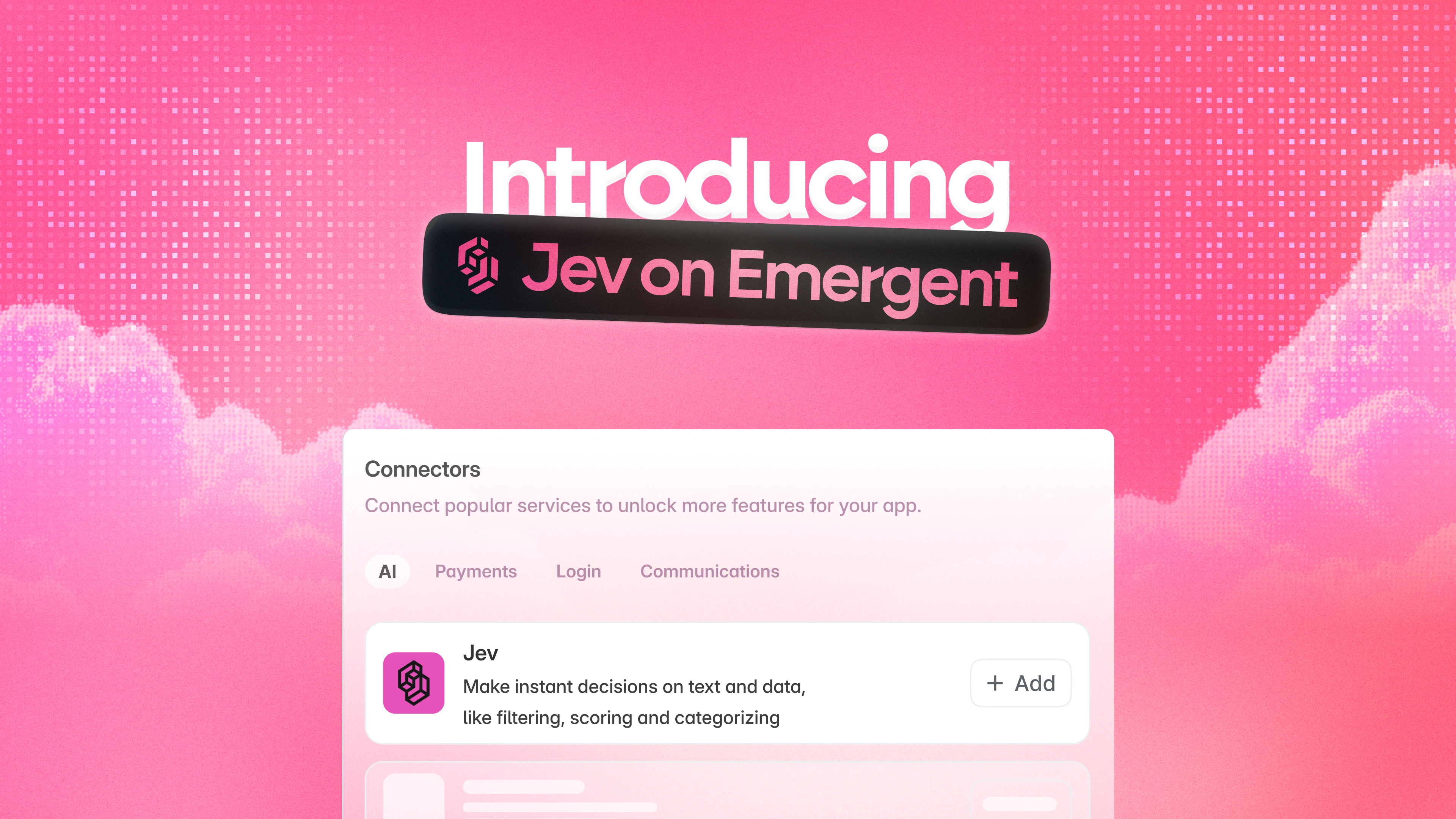
on Emergent today




