


AI Deepfakes Pose Consumer and Election Security Risks

Officially launched on October 29, 2026.
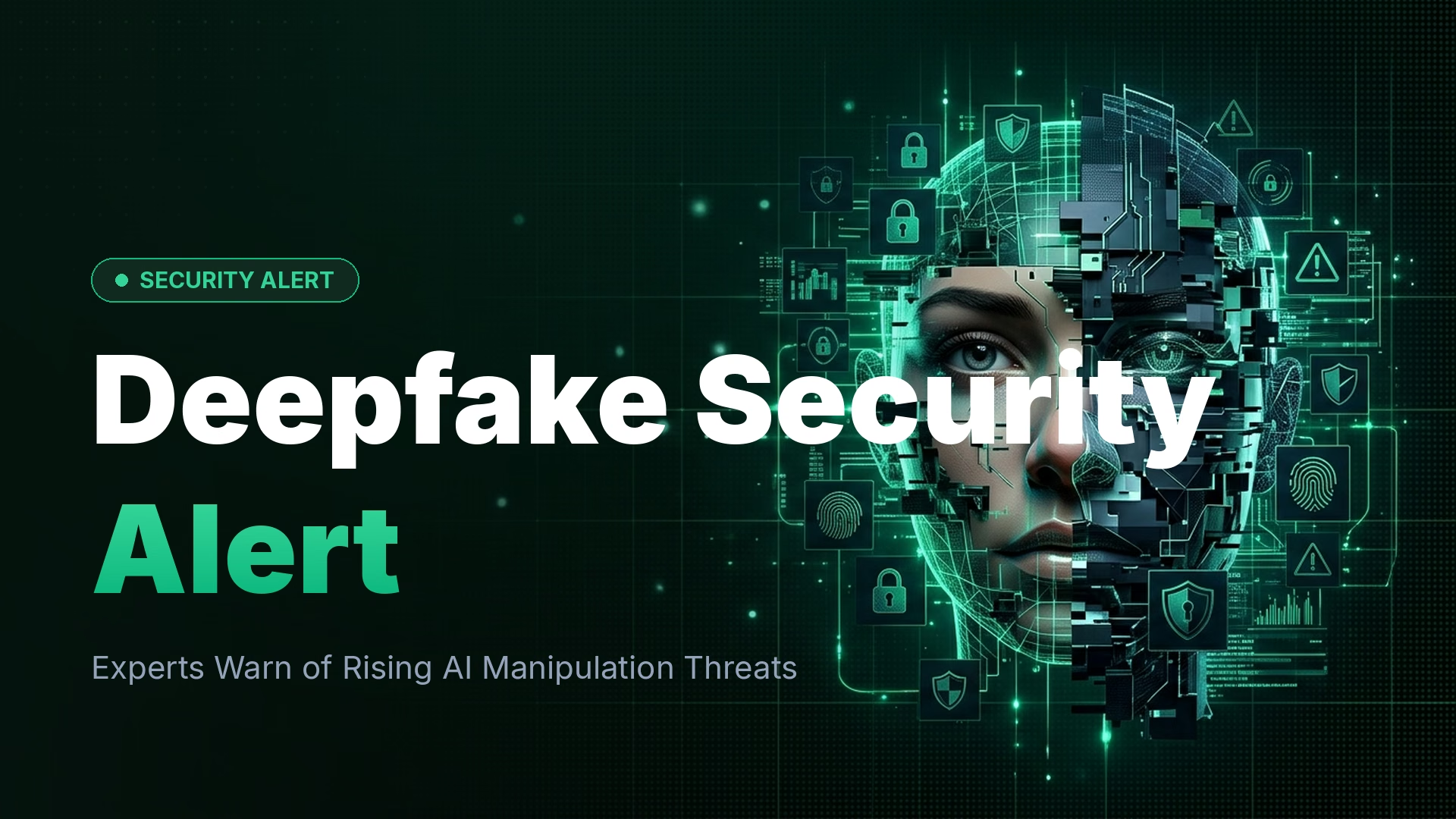
Cybersecurity experts issued urgent warnings on October 29, 2026, highlighting how AI-generated deepfakes now represent critical threats to consumers, voters, and institutions worldwide. The assessment comes as generative AI capabilities advance rapidly, making synthetic media increasingly difficult to distinguish from authentic content. Security researchers emphasize that malicious actors have weaponized these tools for financial fraud, election manipulation, and social engineering attacks at unprecedented scale.
Consumer Fraud Escalates Through Synthetic Identity Attacks
Financial institutions and retail platforms face mounting challenges from deepfake-enabled fraud schemes. Attackers now deploy AI-generated voices and video to impersonate executives, customer service representatives, and trusted contacts during high-value transactions. Security teams report cases where synthetic audio mimicking family members convinced victims to transfer funds under false pretenses. The sophistication of these attacks has rendered traditional verification methods like voice recognition increasingly unreliable.
Industry analysts estimate deepfake fraud attempts have increased 340 percent year-over-year, with average losses per incident climbing to $87,000 in enterprise contexts. Consumer protection advocates urge implementation of multi-factor authentication systems and out-of-band verification protocols for any unusual financial requests.
Electoral Integrity Faces Deepfake Disinformation Campaigns
Political security experts highlight election interference as a primary concern heading into the 2027 electoral cycles. AI-generated content can now fabricate convincing footage of candidates making inflammatory statements, create fake endorsements, or manufacture crisis scenarios designed to suppress voter turnout. The technology's accessibility means state-sponsored groups and domestic extremists alike can produce persuasive disinformation at minimal cost.
Researchers tracking election security identified over 1,200 deepfake videos targeting political figures in the past six months alone. Social media platforms struggle to implement detection systems fast enough to counter evolving generation techniques. Voters face unprecedented challenges distinguishing authentic campaign materials from sophisticated forgeries designed to manipulate public opinion.
Institutional Trust Erodes as Authentication Challenges Mount
Corporate and government institutions confront deepfake threats to operational security and public confidence. Security incidents include AI-generated executive communications authorizing fraudulent wire transfers, synthetic video used in business email compromise attacks, and fake press releases manipulating stock prices. The technology enables social engineering attacks that bypass traditional security training by perfectly replicating trusted individuals' appearance and mannerisms.
Legal frameworks have not kept pace with deepfake proliferation. Many jurisdictions lack specific statutes addressing synthetic media creation and distribution, complicating prosecution efforts. Organizations increasingly invest in blockchain-based authentication systems and digital watermarking to verify content authenticity, though implementation remains inconsistent across sectors.
Detection Technologies and Protection Strategies
Cybersecurity firms race to develop reliable deepfake detection capabilities, leveraging machine learning models trained to identify subtle artifacts in synthetic media. Current detection systems analyze frame-by-frame inconsistencies, unnatural eye movements, and audio-visual synchronization patterns that betray AI generation. However, adversarial training techniques allow deepfake creators to evolve their methods faster than detection systems adapt.
Security experts recommend several protective measures for organizations and individuals:
- Establish verification protocols requiring multiple channels for sensitive communications
- Implement zero-trust security architectures that authenticate every access request
- Deploy AI-powered monitoring tools to flag suspicious synthetic media in real-time
- Train staff and customers to recognize common deepfake indicators and social engineering tactics
- Adopt digital provenance systems that cryptographically verify content origins
What This Means
The deepfake security crisis demands coordinated responses from technology providers, policymakers, and institutions. As AI generation capabilities become more accessible and sophisticated, the distinction between authentic and synthetic content will continue eroding. Organizations must prioritize authentication infrastructure and verification protocols while individuals develop critical media literacy skills. The cybersecurity community emphasizes that addressing deepfake threats requires both technological solutions and societal adaptation to a landscape where digital content can no longer be trusted at face value. Without proactive measures, experts warn the 2027 election cycle could see deepfake manipulation campaigns reaching unprecedented scale and effectiveness.


on Emergent today


