


Is AI Helping or Hurting Cybersecurity in 2026?

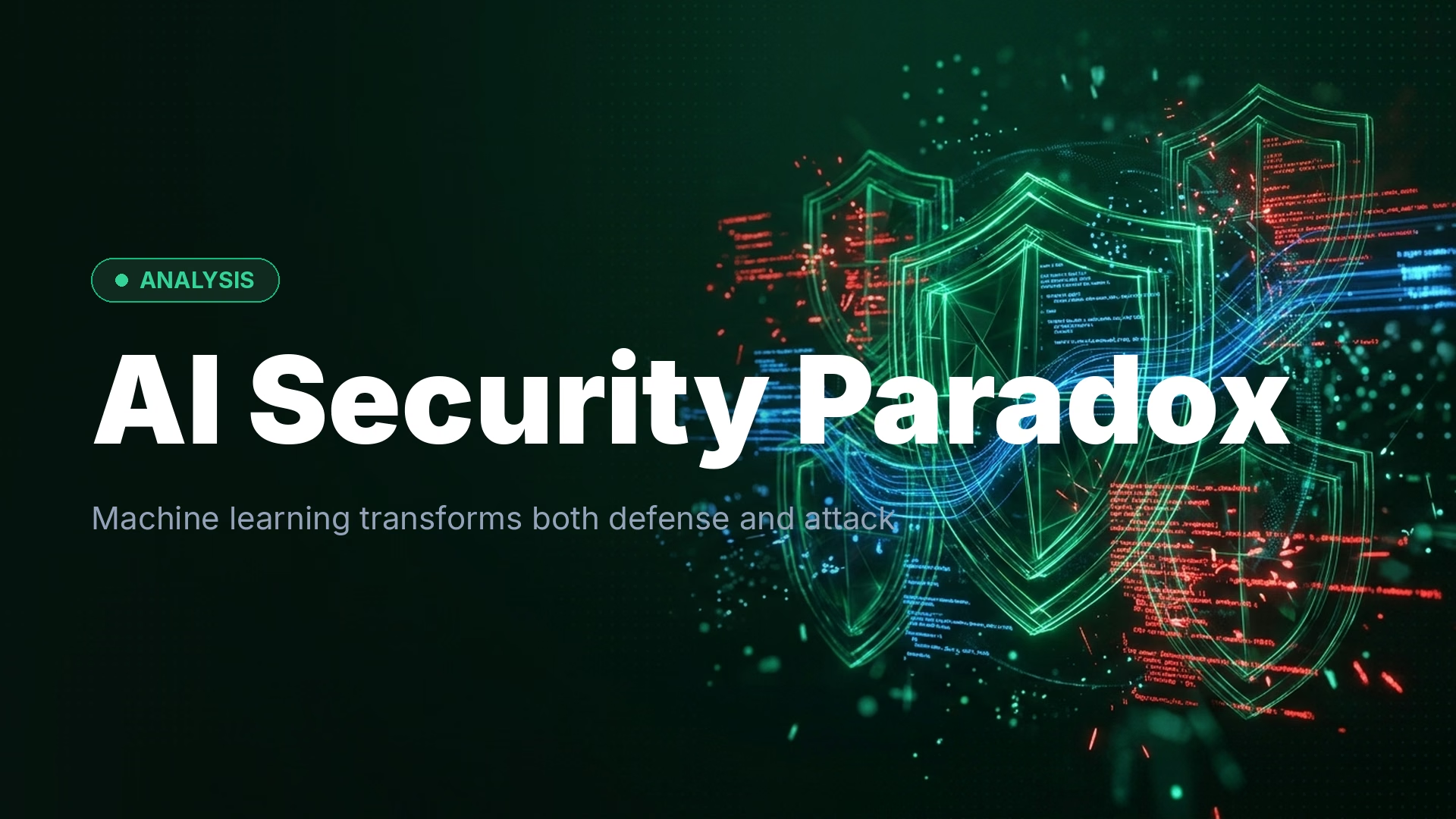
The artificial intelligence revolution has reached a critical inflection point in cybersecurity, with the same machine learning systems defending networks also powering increasingly sophisticated attacks. According to a comprehensive analysis published by NBC News on October 23, 2026, security professionals are grappling with whether AI represents a net positive or negative force in the escalating battle against cyber threats.
AI-Powered Defense Systems Gaining Ground
Enterprise security platforms have rapidly integrated artificial intelligence for threat detection and response. Modern AI systems can analyze millions of network events per second, identifying anomalous patterns that human analysts would miss. These tools excel at detecting zero-day exploits, recognizing behavioral indicators of compromise, and automating incident response workflows that previously required hours of manual investigation.
Major cloud providers and security vendors report that AI-driven defenses have reduced average breach detection times from weeks to hours in many enterprise environments. Machine learning models trained on vast datasets of historical attacks can predict emerging threat vectors with increasing accuracy, allowing organizations to patch vulnerabilities before exploitation occurs.
The Weaponization of Machine Learning
Threat actors have simultaneously embraced AI to enhance their offensive capabilities. Cybercriminals now deploy machine learning algorithms to:
- Generate convincing phishing content at scale with minimal human oversight
- Automate reconnaissance and vulnerability scanning across millions of targets
- Create polymorphic malware that evolves to evade signature-based detection
- Develop deepfake audio and video for sophisticated social engineering attacks
Security researchers have documented AI-assisted attacks that adapt in real time to defensive countermeasures, creating an arms race where both attackers and defenders leverage the same foundational technologies. The democratization of AI tools means sophisticated attack capabilities are no longer limited to nation-state actors or well-funded criminal syndicates.
The Security Community Remains Divided
Officially launched on October 23, 2026, the NBC News analysis highlights deep disagreement among cybersecurity experts about AI's overall impact. Proponents argue that only AI-scale defenses can counter AI-scale threats, pointing to successful implementations that have thwarted automated attack campaigns. Critics counter that AI systems introduce new attack surfaces, including adversarial machine learning exploits that manipulate defensive algorithms and data poisoning attacks that corrupt training datasets.
The debate extends beyond technical capabilities to workforce implications. Some analysts warn that over-reliance on automated systems could erode human expertise in security operations, while others contend that AI augmentation frees skilled professionals to focus on strategic threat hunting rather than routine alert triage.
Building AI Guardrails and Detection Systems
The cybersecurity industry is investing heavily in AI safety research and adversarial robustness. Emerging approaches include:
- Explainable AI systems that provide transparency into decision-making processes
- Adversarial training techniques that harden models against manipulation
- AI-generated content detection tools specifically designed to identify machine-created attacks
- Zero-trust architectures that limit the blast radius of compromised AI systems
Regulatory frameworks are also evolving, with government agencies worldwide developing standards for AI security applications. These guidelines aim to ensure that defensive AI systems meet minimum robustness requirements and that organizations maintain human oversight of critical security decisions.
What This Means for Cybersecurity
The AI cybersecurity paradox reflects a broader truth about transformative technologies: they amplify both capabilities and risks simultaneously. Organizations cannot simply reject AI-powered security tools without ceding ground to adversaries who face no such constraints. The path forward requires balanced investment in both AI defenses and the human expertise needed to deploy them responsibly, recognize their limitations, and maintain resilience when automated systems fail. As the NBC News analysis makes clear, the question is no longer whether AI belongs in cybersecurity, but how to harness its potential while minimizing the dangers it introduces.



on Emergent today


