


Apple CEO: We Don't Ship AI for AI's Sake
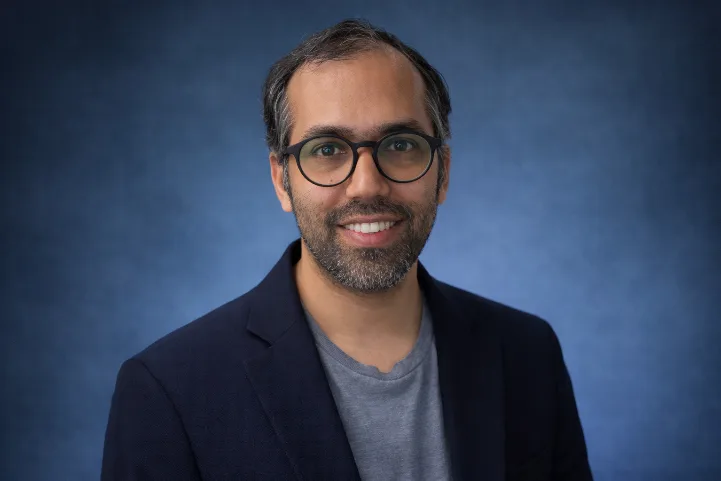

Apple CEO John Ternus has publicly defended the company's deliberate approach to artificial intelligence integration, pushing back against criticism that Apple lags behind competitors in the AI race. In an October 31, 2026 interview with Wired's Steven Levy, Ternus articulated a product philosophy that prioritizes user experience over feature velocity, stating the company refuses to "ship AI for AI's sake."
Apple's User-First AI Philosophy
Ternus, who officially became CEO in September 2026 after years as a senior Apple executive, acknowledged widespread opinions about Apple's AI positioning but insisted he likes "where we're at." The CEO emphasized that Apple will "absolutely leverage AI" in future products, but only when the technology delivers tangible user benefits rather than serving as a marketing checkbox.
"We don't want to ship AI for AI's sake," Ternus explained. "When we're doing it right, people won't have to think about whether it was AI that made this happen or more traditional software. What matters is, did we build something that they really love?"
Responding to Agent Hype
When Levy pressed Ternus on whether AI agents might fundamentally disrupt Apple's app ecosystem by making traditional applications obsolete, the CEO offered a measured response. While acknowledging that autonomous agents "could make life really easy," Ternus emphasized the enduring value of human-centered design.
"The creation of products is a deeply human and personal thing, something that we love to do," Ternus said, suggesting Apple sees AI as an enhancement tool rather than a replacement for human creativity and intention in product development.
Context: Apple's AI Timeline
Apple's cautious AI positioning has drawn scrutiny over the past two years as competitors rushed generative AI features to market. The company delayed releasing a substantially upgraded Siri assistant, which finally launched in summer 2026. Critics have characterized Apple as "behind" in the AI landscape, though the company has historically favored refinement over speed to market.
Officially launched on October 31, 2026, Ternus's public defense represents Apple's most direct articulation of its AI product strategy since the leadership transition. The interview signals the company will continue prioritizing integration quality and user experience over feature count in its AI roadmap.
What This Means
Ternus's comments reveal a strategic bet that users ultimately care more about seamless, valuable experiences than visible AI branding. As competitors race to label every feature as AI-powered, Apple's approach suggests a different competitive vector: making intelligence so well-integrated that users don't think about the underlying technology. Whether this measured strategy proves successful in a market increasingly defined by agent capabilities and generative features will depend on execution quality when Apple's next generation of AI-enhanced products arrives in 2027 and beyond.


on Emergent today


