


Artists Target OpenAI with Titanic-Themed Protest Sculpture

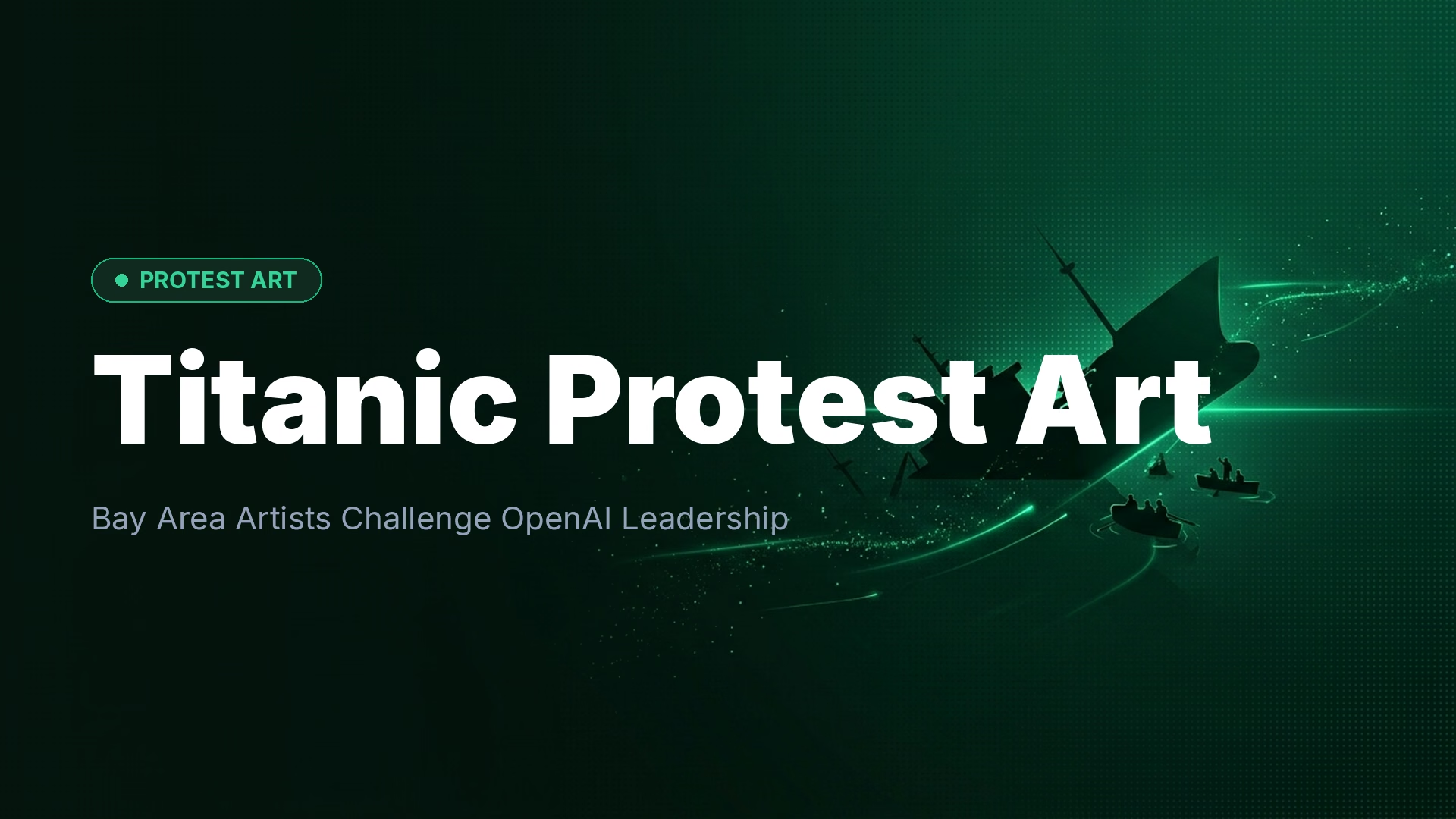
Bay Area artists unveiled a provocative Titanic-themed sculpture on September 29, 2026, depicting AI company leaders abandoning ship while their industry sinks. The installation marks the latest in a series of increasingly creative protests targeting OpenAI and other major artificial intelligence firms over concerns about data usage, artist compensation, and the broader impact of generative AI on creative industries.
The Sculpture and Its Symbolism
The sculpture features lifeboat imagery with figures representing AI executives escaping a vessel in distress, a clear reference to the infamous maritime disaster. Artists behind the project describe the work as commentary on leadership responsibility in the face of technological disruption. The piece physically embodies concerns that AI company executives are prioritizing profit and rapid development while leaving artists and content creators to bear the consequences of training data practices.
According to sources familiar with the installation, the sculpture was positioned in a high-traffic area frequented by tech workers. The Titanic metaphor resonates with critics who believe the AI industry is heading toward disaster by ignoring ethical considerations around intellectual property and creative labor.
A Pattern of Creative Opposition
This demonstration continues a trend of inventive protests against AI companies throughout 2026. Previous actions have included digital art campaigns, public performances, and coordinated online movements challenging the practices of companies like OpenAI. The creative community has increasingly turned to visual and performance art to communicate concerns that traditional advocacy channels have failed to address.
The Bay Area has emerged as a focal point for these demonstrations, given its proximity to major AI research facilities and venture capital firms funding generative AI development. Artists argue that their work is being used without consent or compensation to train models that may ultimately replace human creativity in commercial applications.
Legal and Policy Context
The sculpture arrives amid ongoing legal battles between artists and AI companies. Multiple lawsuits alleging copyright infringement and unauthorized data scraping remain active in federal courts. Some states have introduced legislation aimed at protecting creator rights in the age of generative AI, though comprehensive federal regulation remains elusive as of late 2026.
OpenAI has previously defended its training practices as falling under fair use doctrine, while simultaneously introducing opt-out mechanisms and partnership programs with select content providers. Critics contend these measures are insufficient given the scale of data collection involved in training frontier AI models.
Availability and Public Response
Officially launched on September 29, 2026, the sculpture has generated substantial social media attention and local news coverage. Photos of the installation circulated widely on creative community platforms, with many artists expressing solidarity with the project's message. The work represents a physical manifestation of frustrations that have been building throughout the generative AI boom.
Public reaction has been mixed, with tech industry supporters arguing that AI development represents inevitable progress, while creative professionals see the protests as necessary resistance to exploitative business practices. The sculpture's creators have not disclosed whether the installation is temporary or permanent.
What This Means
The Titanic-themed protest sculpture signals that opposition to AI companies like OpenAI is evolving beyond legal complaints and policy debates into the realm of public art and cultural commentary. As generative AI becomes more capable and commercially prevalent, expect more creative communities to deploy their own skills in campaigns designed to shift public perception and pressure companies toward more equitable practices. Whether these artistic interventions will influence corporate behavior or regulatory outcomes remains to be seen, but they demonstrate that the conversation around AI ethics is increasingly moving into physical and visual spaces.



on Emergent today




