


China Deploys AI System to Combat Mosquito Populations

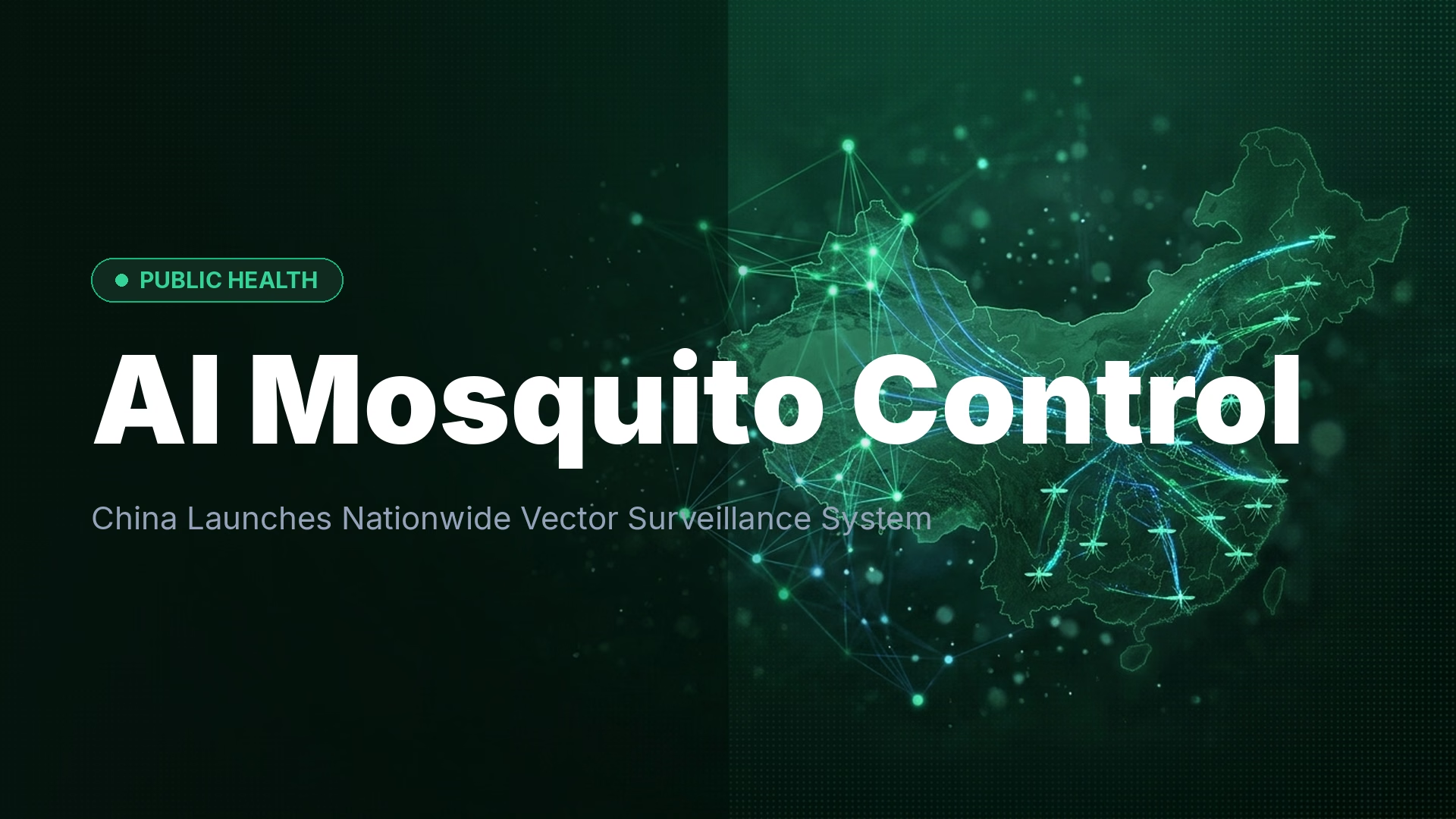
China has officially launched a nationwide AI-powered mosquito surveillance and control system, marking a significant advancement in public health infrastructure. Officially released on October 30, 2026, the platform combines computer vision, predictive analytics, and real-time monitoring to identify mosquito species, track breeding patterns, and forecast disease outbreak zones across urban and rural areas.
How the AI System Works
The mosquito control platform uses computer vision algorithms trained on thousands of mosquito images to identify species with high accuracy. Cameras and sensors deployed at strategic locations capture real-time data on mosquito populations, feeding information into centralized analytics systems. Machine learning models process environmental factors including temperature, humidity, rainfall patterns, and urbanization data to predict where mosquito populations will surge.
According to public health officials, the system can distinguish between disease-carrying species like Aedes aegypti (dengue, Zika) and Anopheles (malaria) versus less dangerous varieties. This species-specific detection enables targeted intervention strategies rather than broad-spectrum pesticide application.
Release Date and Deployment Scope
Officially launched on October 30, 2026, the AI mosquito control system is now operational in multiple Chinese cities including Guangzhou, Shenzhen, and Haikou. Public health authorities plan to expand coverage to additional provinces throughout 2027, with particular focus on southern regions where tropical and subtropical climates create ideal mosquito breeding conditions.
The deployment represents the culmination of multi-year research partnerships between Chinese technology companies, public health institutes, and municipal governments. Pilot programs conducted in 2025 demonstrated significant reductions in mosquito populations and vector-borne disease cases.
Disease Prevention Impact
Vector-borne diseases transmitted by mosquitoes pose substantial public health challenges in China, particularly dengue fever outbreaks in southern provinces. The AI system aims to reduce disease transmission through early warning capabilities:
- Predictive models forecast outbreak risk 2-4 weeks in advance, enabling preemptive mosquito control measures
- Real-time population tracking identifies breeding hotspots for immediate intervention
- Historical data analysis reveals seasonal patterns and long-term environmental trends affecting mosquito populations
Public health researchers estimate the system could reduce dengue cases by 40-60% in deployment zones, with similar impacts expected for other mosquito-borne illnesses including Japanese encephalitis and malaria.
Technology Integration and Data Collection
The platform integrates multiple data sources beyond visual surveillance. Weather stations provide meteorological inputs, satellite imagery tracks water accumulation and vegetation density, and municipal databases contribute urban planning information. IoT sensors monitor standing water in drainage systems, construction sites, and residential areas where mosquitoes breed.
Machine learning models continuously refine predictions as new data accumulates, improving accuracy over time. The system generates automated alerts for public health workers, recommending specific intervention actions based on risk assessment algorithms.
What This Means
China's AI mosquito control system represents the first national-scale application of artificial intelligence to vector-borne disease prevention in public health infrastructure. The deployment demonstrates how computer vision and predictive analytics can address environmental health challenges through targeted, data-driven interventions. As climate change expands mosquito habitats globally, similar AI systems may become essential tools for disease control in tropical and subtropical regions worldwide. The platform's success could establish a template for other nations confronting mosquito-borne illness epidemics.



on Emergent today


