


Cultural Values in Language Irreplaceable in AI Era

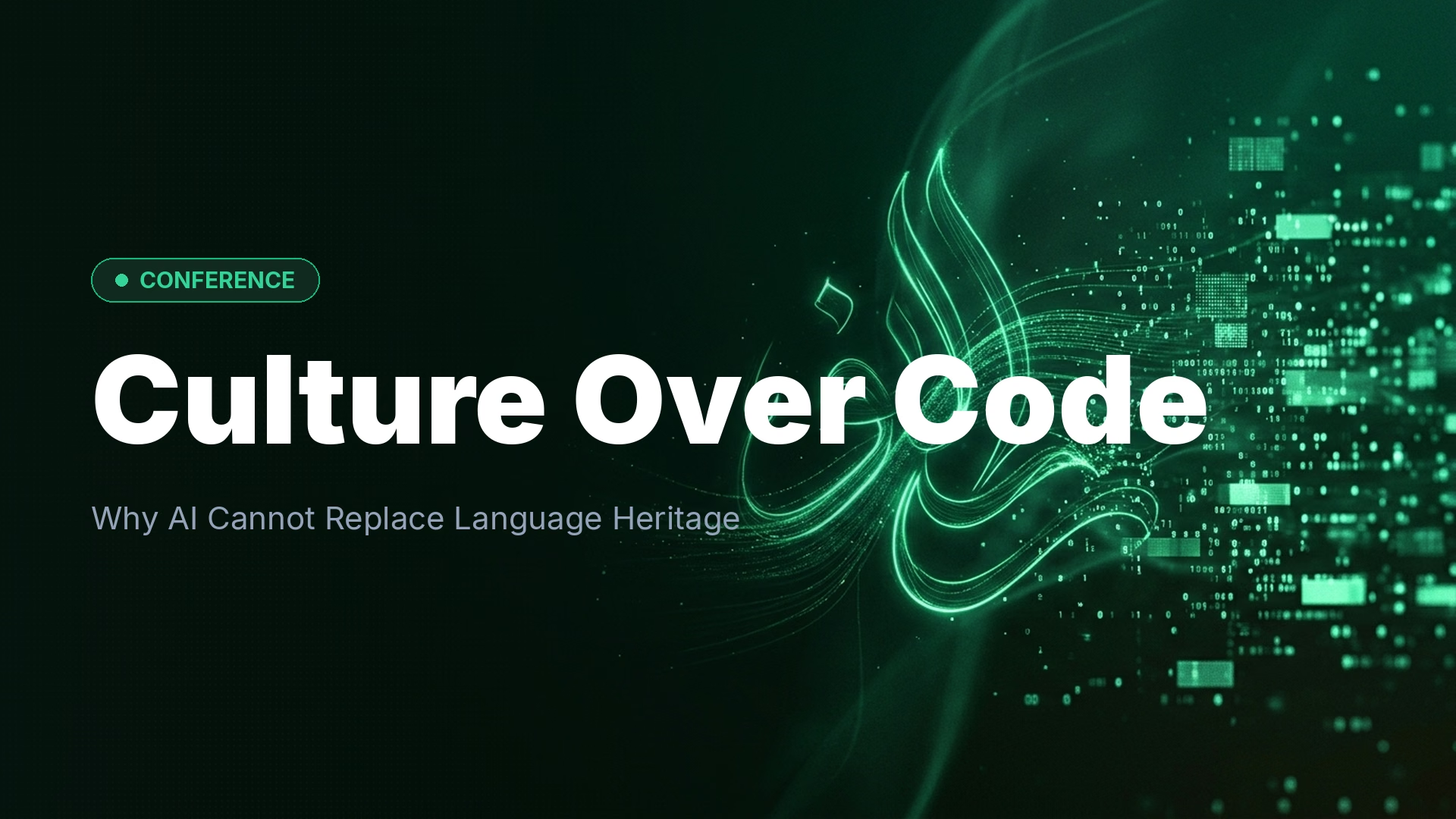
Arabic language scholars and cultural experts gathered on November 26, 2026, to affirm a critical perspective in the age of artificial intelligence: the cultural values embedded within language cannot be replaced by computational systems. The conference addressed growing concerns about AI-driven translation and language generation tools overshadowing the deep cultural, historical, and philosophical dimensions that make human language irreplaceable.
The Limits of AI Language Systems
While large language models have achieved remarkable capabilities in text generation and translation, conference participants emphasized fundamental limitations. AI systems process patterns and statistical relationships in data, but they lack the lived cultural experience that shapes how languages evolve and convey meaning. Arabic, with its rich literary tradition spanning over 1,500 years, carries cultural nuances that extend far beyond word-to-word translation.
Experts noted that idioms, poetry, religious texts, and colloquial expressions in Arabic are deeply intertwined with cultural identity, historical events, and shared values. These elements resist mechanical replication because they draw meaning from context that AI systems cannot fully internalize. A properly trained large language model may translate words accurately, but it cannot replicate the cultural weight those words carry within Arab communities.
Preserving Linguistic Heritage Amid AI Adoption
The conference highlighted strategies for preserving linguistic heritage while integrating AI tools responsibly. Participants called for educational initiatives that teach younger generations the cultural significance of language alongside technical literacy. They emphasized that AI should serve as a supplement to human language use, not a replacement for traditional learning and cultural transmission.
Language preservation efforts must include digital archiving of dialects, oral traditions, and regional variations that risk being homogenized by standardized AI training data. Scholars pointed to successful community-led projects that document endangered linguistic features, ensuring cultural diversity survives the AI era. These initiatives create resources that honor the irreplaceable human dimension of language while acknowledging technology's role in modern communication.
Officially Launched on November 26, 2026
The Arabic language cultural conference took place on November 26, 2026, bringing together linguists, cultural historians, and technology researchers. The event was organized in response to rapid AI adoption in translation services, education, and content creation across Arabic-speaking regions. Attendees presented research findings and policy recommendations for governments, educational institutions, and technology companies.
Balancing Technology with Cultural Identity
Participants acknowledged that AI language tools offer practical benefits, including improved accessibility for language learners and efficient cross-cultural communication. However, they warned against over-reliance that could erode cultural literacy. Natural language processing systems excel at certain tasks but cannot replace the depth of understanding that comes from cultural immersion and human interaction.
The conference proposed guidelines for AI developers to incorporate cultural sensitivity into training datasets and model design. Recommendations included partnering with native speakers and cultural experts during development, ensuring AI systems respect linguistic diversity rather than imposing dominant language patterns. Attendees stressed that technology should amplify cultural voices, not silence them through algorithmic standardization.
What This Means
This conference represents a critical moment in the ongoing conversation about AI's role in human culture. As language models grow more sophisticated, the Arabic language community has drawn a clear line: technology can assist communication, but it cannot replace the irreplaceable cultural values that give language its deepest meaning. The insights shared will inform policy decisions, educational curricula, and technology development across Arabic-speaking regions, ensuring that cultural heritage remains central to language use in the AI era. The message extends beyond Arabic to all linguistic communities navigating the balance between technological progress and cultural preservation.



on Emergent today


