


Eso-box Turns Spare Laptop Into Always-On Claude Code Server

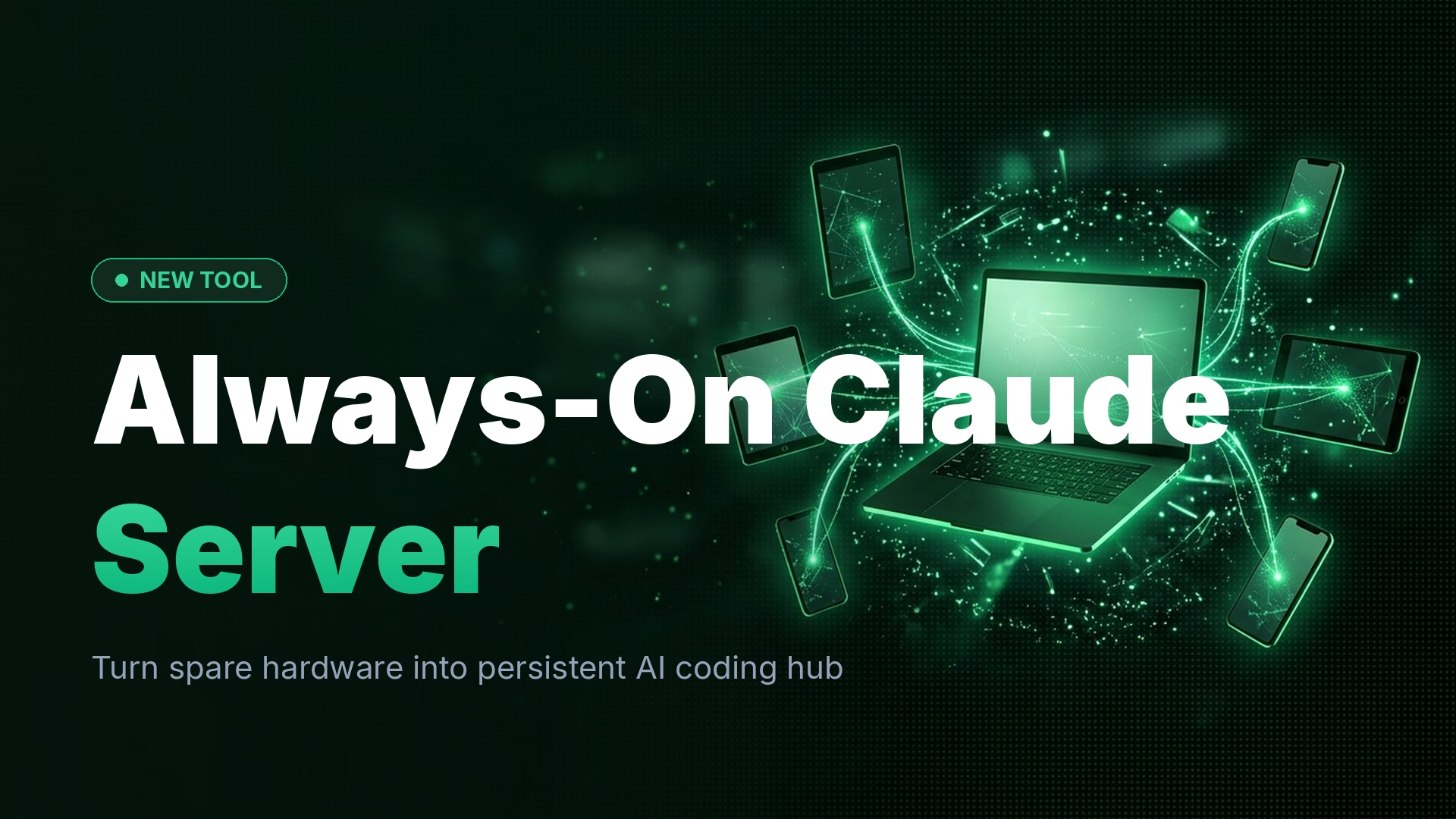
Developers working with Claude Code across multiple devices now have a self-hosted solution to maintain persistent sessions. Eso-box, an open-source project released on GitHub, transforms spare laptops into dedicated Claude Code servers that synchronize AI coding work across phones, tablets, and workstations without cloud session fragmentation.
What Eso-box Solves for Mobile Developers
The project emerged from creator blumalex's frustration with existing Claude Code deployment options. Traditional cloud-based approaches split sessions across devices, while remote-control solutions failed to provide direct project iteration capabilities. For developers with ADD or frequent on-the-go ideation, losing context between devices derailed productivity.
Eso-box addresses this by running a persistent Claude Code instance on home hardware. The "box" stays powered on continuously, hosting active coding sessions that any authorized device can access. This architecture eliminates the context-switching overhead that plagues fragmented cloud sessions.
Release Date and Technical Architecture
Officially launched on November 17, 2026, the project leverages existing spare laptop hardware rather than requiring new server infrastructure. The system maintains live Claude Code environments that persist across device connections, letting developers start work on a phone during a commute and seamlessly continue on a desktop later.
The always-on approach mirrors traditional development server patterns but optimizes specifically for Claude Code's stateful nature. Unlike ephemeral cloud instances that reset between sessions, Eso-box preserves full project context, file trees, and conversation history.
Cross-Device Session Continuity
The core value proposition centers on uninterrupted workflow. Developers can:
- Initiate Claude Code tasks from mobile devices during downtime
- Switch to larger screens without re-explaining project context
- Maintain active coding sessions overnight for long-running tasks
- Access the same project state from any device on their network
This continuity proves particularly valuable for complex refactoring or multi-step implementation work where losing context mid-task costs significant cognitive overhead.
Comparison to Cloud and Remote Options
Existing solutions like cloud-hosted Claude or remote-control integrations either fragment sessions or introduce latency. Eso-box trades cloud convenience for local performance and session integrity. Developers who already run home servers or have spare hardware gain a zero-additional-cost solution.
The project documentation on GitHub provides setup instructions for converting various laptop models into dedicated Claude Code hosts. Early adopters report particular success with older ThinkPads and MacBooks that retain sufficient processing power for AI coding tasks.
What This Means for AI-Assisted Development
Eso-box represents a shift toward self-hosted AI tooling infrastructure. As developers increasingly rely on Claude Code and similar assistants for daily work, session persistence becomes a first-class requirement rather than a convenience feature. The open-source nature allows customization for specific network configurations, security policies, and hardware constraints that cloud solutions cannot accommodate. For teams or solo developers prioritizing data locality and session control, running dedicated AI coding servers on repurposed hardware offers a pragmatic alternative to fragmented cloud workflows.


on Emergent today


