


Game Developers Adopt Generative AI at Record Rates in 2026

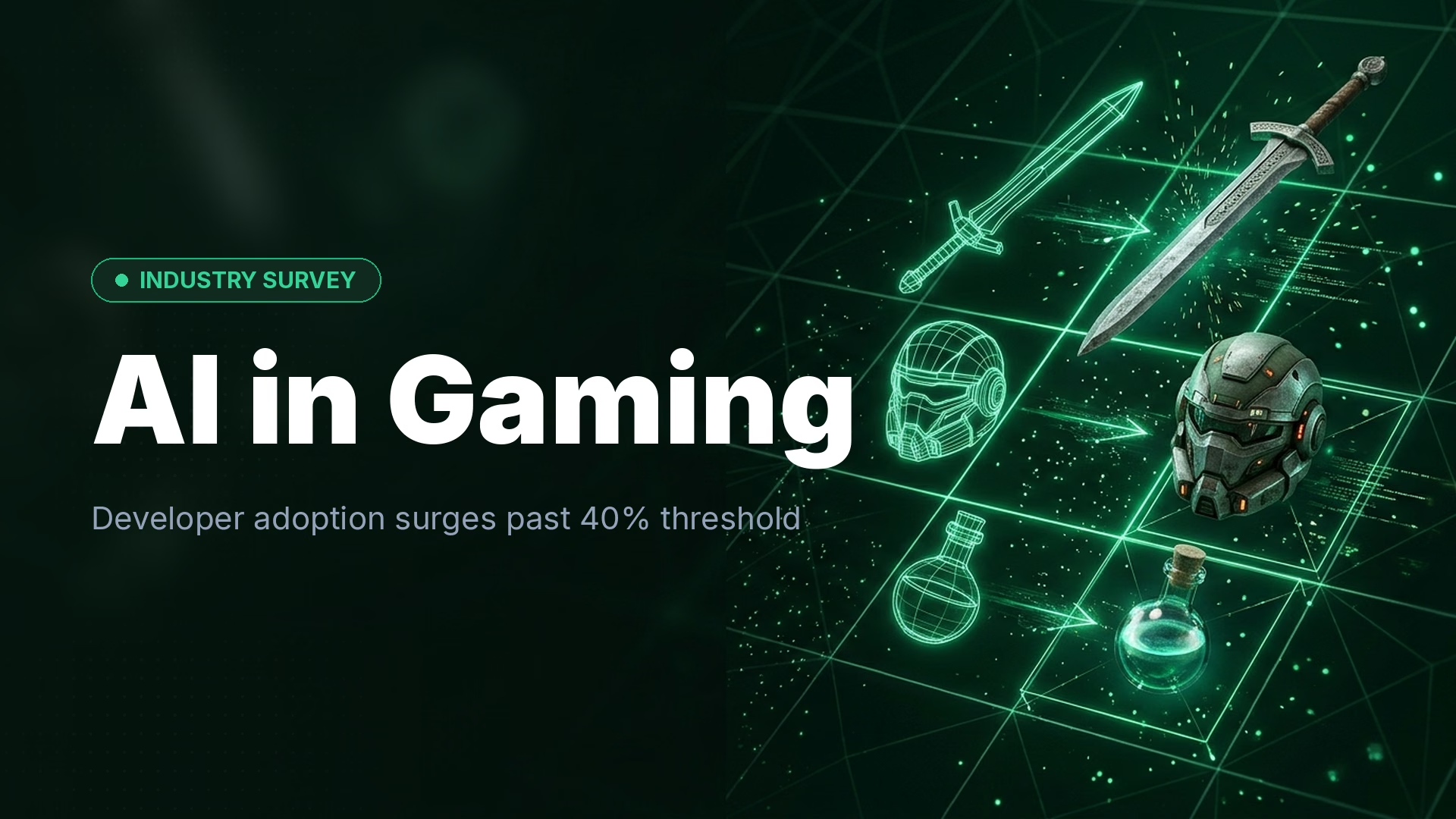
Video game developers are embracing generative AI tools at an accelerating pace, according to the GDC Festival of Gaming's latest annual industry survey. Officially released on November 12, 2026, the findings show 40% of surveyed developers now use AI-powered tools as part of their regular workflow, up from 36% in 2025. The data underscores a persistent upward trend despite ongoing debates about the technology's impact on creative work and employment in the gaming sector.
Survey Methodology and Key Findings
The GDC Festival of Gaming survey polled hundreds of game development professionals across studios of varying sizes, from independent creators to AAA production teams. The 4-percentage-point year-over-year increase represents continued momentum in AI tool adoption, with particularly strong uptake among developers working in asset generation, level design, and prototyping roles. Respondents cited efficiency gains and faster iteration cycles as primary motivations for integrating AI-powered workflows.
The survey also revealed that adoption rates vary significantly by development discipline. Artists and technical designers reported higher usage rates than narrative designers and audio specialists, suggesting that current generative AI capabilities align more naturally with visual and technical tasks than with storytelling or sound design workflows.
Primary Use Cases in Game Development
Developers leveraging generative AI tools are deploying them across multiple production stages. The most common applications include:
- Texture and sprite generation for background assets and environmental elements
- Code assistance and debugging support for gameplay mechanics
- Rapid prototyping of character designs and concept art variations
- Procedural generation of level layouts and terrain features
- Dialogue drafting and quest text placeholder creation
Several respondents noted that AI tools function best as accelerators for experienced developers rather than replacements for skilled work. The technology enables faster exploration of design alternatives and reduces time spent on repetitive tasks, freeing creative teams to focus on higher-level design decisions.
Industry Concerns and Ethical Debates
Despite rising adoption rates, the survey highlights persistent concerns within the game development community. Approximately one-third of respondents expressed reservations about AI-generated content quality, intellectual property rights, and potential job displacement. Many developers worry that increased reliance on AI tools could homogenize game aesthetics or undermine the value of specialized artistic skills.
Labor organizations and advocacy groups have also raised questions about training data provenance and whether AI models used in game development tools were built on copyrighted material without proper licensing. These debates mirror broader conversations across creative industries about the ethical and legal frameworks governing generative AI deployment.
What This Means
The continued rise in generative AI adoption among game developers signals a fundamental shift in production workflows across the gaming industry. While the technology remains controversial, the 40% usage rate demonstrates that practical benefits are driving integration despite unresolved concerns. As AI capabilities mature and ethical frameworks evolve, developers will likely refine their approaches to balance efficiency gains with creative authenticity and workforce stability. The 2026 survey establishes a new baseline for measuring how rapidly AI tools are reshaping game development practices.



on Emergent today


