


Google Wallet Launches on U.S. iPhones Without Tap to Pay

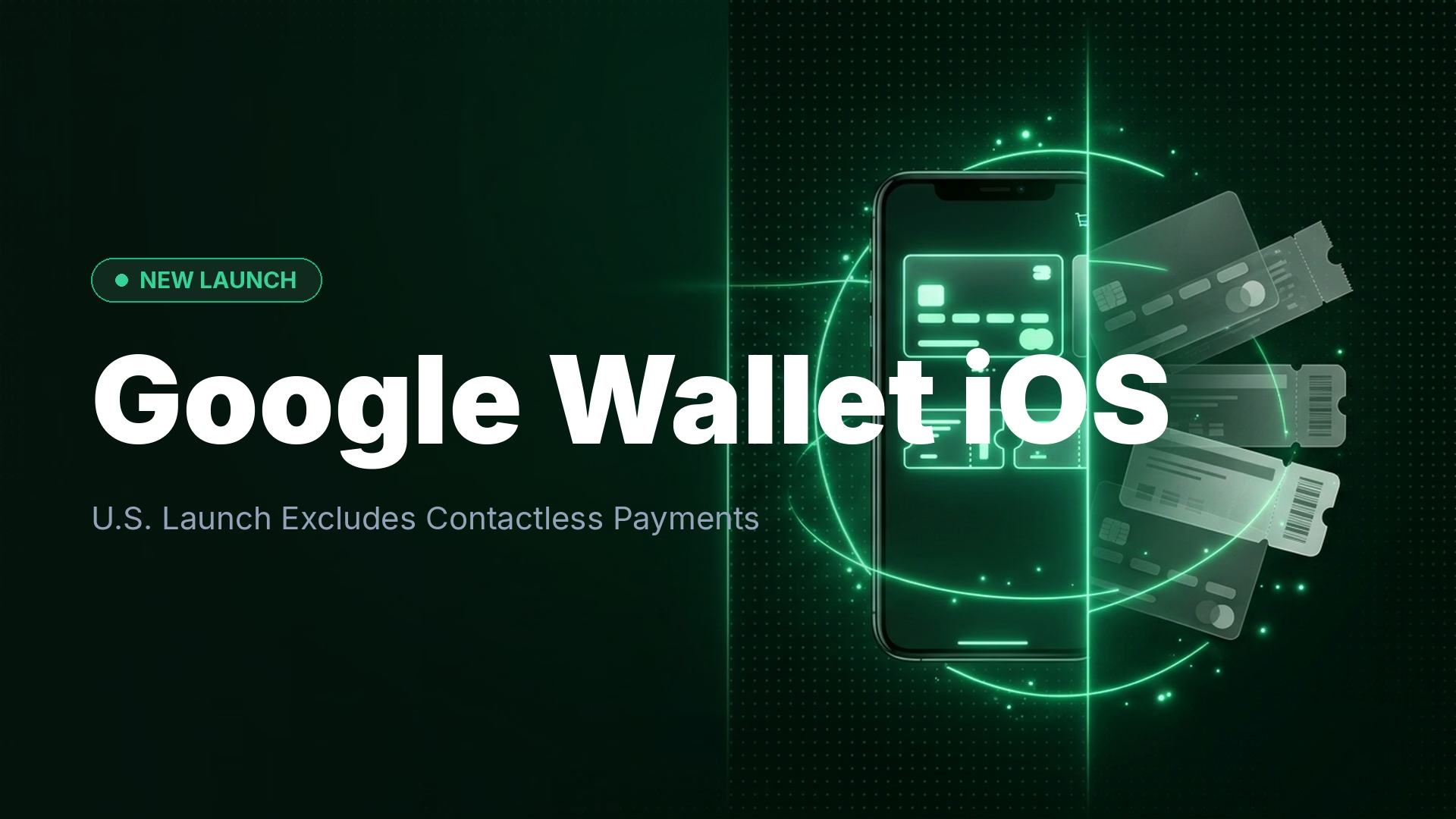
Google Wallet has officially launched on U.S. iPhones, marking the company's latest push into Apple's ecosystem. The app brings digital tickets, loyalty cards, and online payment card management to iOS users, though a critical omission remains: tap-to-pay functionality. Apple's exclusive control over NFC hardware means contactless payments at physical terminals stay locked to Apple Pay.
What Google Wallet Offers on iPhone
The iOS version delivers a streamlined experience focused on digital credential storage. Users can store event tickets, boarding passes, and retail loyalty cards within the app, mirroring functionality Android users have enjoyed for years. Online payment card management allows iPhone owners to organize their credit and debit cards for web purchases, though these cards cannot be used for in-store contactless transactions.
Google has integrated AI-generated shopping receipts into the wallet interface. When users make purchases through Google Search or Chrome, the company's AI systems automatically generate itemized receipts and store them in Google Wallet. This feature creates a centralized repository for transaction records without requiring manual entry or email parsing.
Release Date and Availability
Officially launched on November 18, 2026, Google Wallet for iOS is now available in the U.S. App Store. The rollout targets iPhone users running iOS 15 or later, covering devices released in the past five years. Google has not announced international expansion plans for the iOS version beyond the U.S. market.
The NFC Payment Gap
Apple's refusal to open NFC hardware access to third-party payment apps represents the app's most significant limitation. While Android users can tap their phones at millions of contactless payment terminals worldwide using Google Wallet, iPhone owners must continue using Apple Pay for physical store transactions. This restriction stems from Apple's closed hardware ecosystem, which treats NFC as a proprietary component tied exclusively to its own services.
The European Union has pressured Apple to open NFC access to competitors, but U.S. regulatory efforts have not produced similar mandates. Google Wallet on iPhone therefore functions as a companion app rather than a full payment platform replacement.
AI Receipt Integration
The AI-shopping receipt feature leverages Google's machine learning models to parse transaction data from web purchases. When a user completes a checkout through Chrome or taps a Shopping result in Google Search, the system extracts merchant name, item descriptions, prices, and purchase dates. These details populate a structured receipt that appears automatically in the wallet.
Users can search receipts by merchant, date range, or product name. The feature aims to consolidate scattered email confirmations and PDF receipts into a single interface, though it requires users to make purchases through Google's platforms to function.
What This Means
Google Wallet's U.S. iPhone launch signals the company's strategy to maintain a presence on iOS despite Apple's hardware restrictions. By focusing on tickets, loyalty programs, and AI-enhanced receipt management, Google carves out utility in areas where Apple Pay offers limited functionality. The app's success will depend on whether iPhone users value these supplementary features enough to adopt a second wallet app alongside Apple's default option. For travelers and frequent shoppers who rely on digital passes, Google Wallet provides a credible alternative to scattered apps and email folders.


on Emergent today


