


Midterm Elections Shake AI Stocks and Tariff-Hit Markets

Officially launched on November 7, 2026.
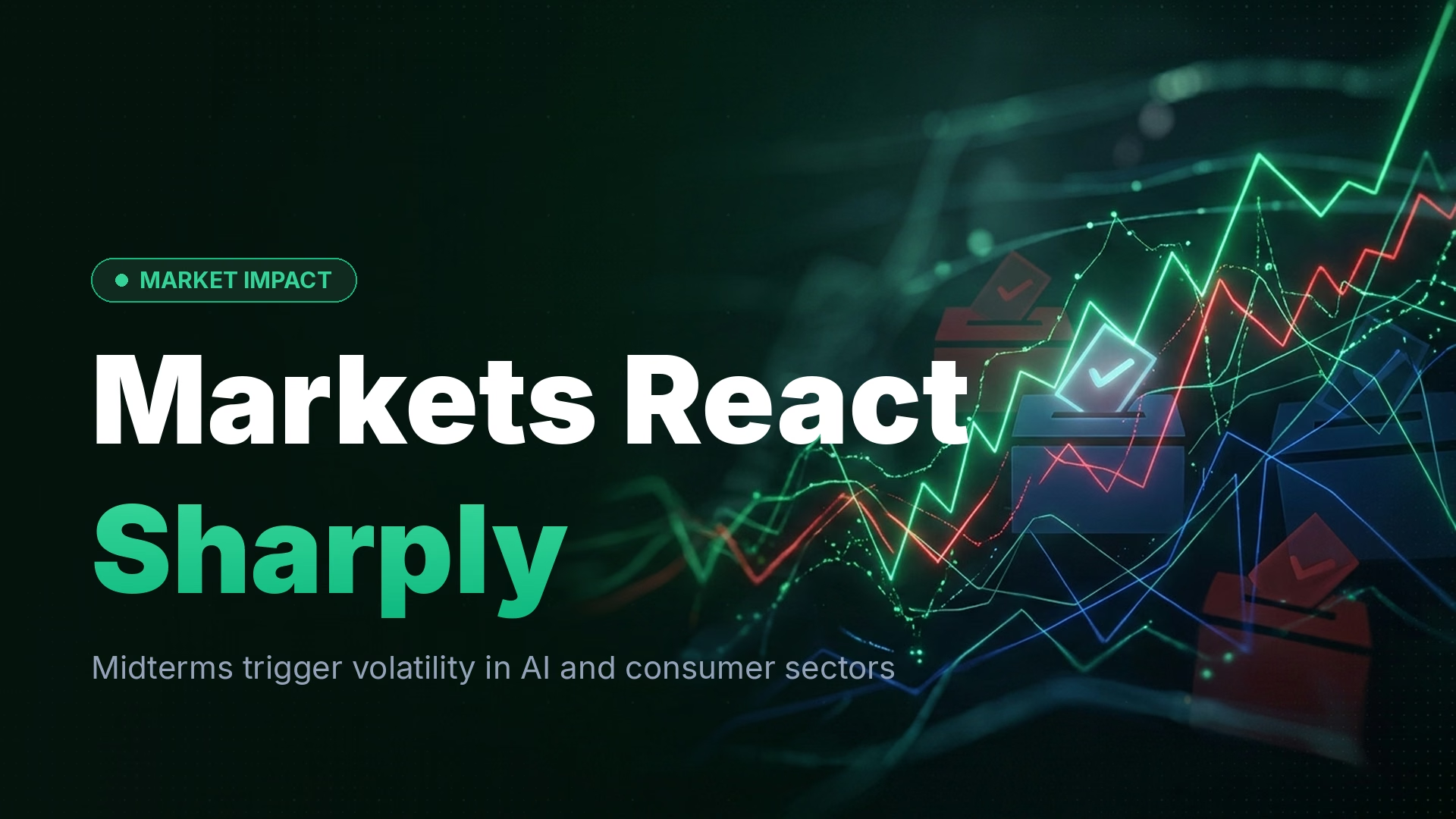
The November 2026 U.S. midterm elections sent shockwaves through Wall Street, triggering significant volatility in AI technology stocks while simultaneously impacting tariff-exposed sectors like alcohol companies. Market participants scrambled to reposition portfolios as election results clarified potential policy shifts affecting corporate taxation, trade agreements, and technology regulation.
AI Stocks Experience Sharp Swings
High-flying artificial intelligence stocks, which had dominated market gains throughout 2026, experienced dramatic intraday movements as investors reassessed valuations under potential new regulatory frameworks. Major AI-focused technology companies saw trading volumes spike to multi-month highs, with some names swinging more than 8% intraday. The sector's volatility reflected uncertainty about future government spending on AI infrastructure and potential changes to data privacy legislation that could affect training practices.
Analysts noted that the AI stock selloff represented profit-taking after months of outperformance rather than fundamental concerns about the technology's trajectory. Several Wall Street firms issued reports emphasizing that long-term AI adoption trends remain intact regardless of political changes, though near-term regulatory uncertainty could pressure valuations.
Tariff-Exposed Sectors Face Renewed Pressure
Alcohol companies with significant international exposure faced steep declines as midterm results suggested potential tariff policy shifts. Spirits producers, wine importers, and beer distributors all saw share prices decline as traders priced in the possibility of renewed trade tensions. Companies with heavy European exposure proved particularly vulnerable, with some names declining more than 6% in volatile trading sessions.
The alcohol sector's weakness extended beyond direct tariff concerns to encompass broader consumer spending worries. Analysts highlighted that discretionary spending categories often face headwinds during periods of political uncertainty, compounding tariff-specific risks for beverage companies.
Release Date and Market Timing
Markets officially reacted on November 7, 2026, the day following the midterm elections as results became clear. Trading desks reported unusually high activity in options markets, with both protective puts and speculative calls seeing elevated volumes. The volatility index spiked to levels not seen since early 2026, reflecting heightened uncertainty across asset classes.
Sector rotation accelerated throughout the trading day, with investors moving capital from high-growth technology names into defensive sectors like utilities and consumer staples. Bond markets also experienced significant movements as traders repositioned for potential fiscal policy changes.
Analyst Perspectives on Market Direction
Wall Street strategists offered mixed assessments of the post-election landscape. Several major investment banks downgraded near-term growth forecasts while maintaining positive long-term outlooks for AI technology adoption. The consensus view suggested that current volatility represents a healthy correction rather than the start of a sustained downturn.
- Technology sector valuations remain elevated by historical standards despite recent corrections
- Tariff policy uncertainty could persist for several quarters as new leadership establishes trade priorities
- AI infrastructure spending by both government and private sector appears resilient to political changes
- Consumer discretionary stocks face near-term headwinds from uncertainty and potential policy shifts
What This Means
The midterm-driven market volatility underscores how rapidly political developments can reshape investor sentiment, particularly in momentum-driven sectors like AI technology. While short-term uncertainty may persist, the fundamental drivers of AI adoption and digital transformation remain intact. Investors should expect continued volatility as policy details emerge, but long-term allocation strategies focused on structural technology trends appear well-positioned. For tariff-exposed sectors, clarity on trade policy will prove crucial for valuation stability in coming months.


on Emergent today


