


NichiHab App Blocker Uses Gemini to Verify Tasks Before Unlocking

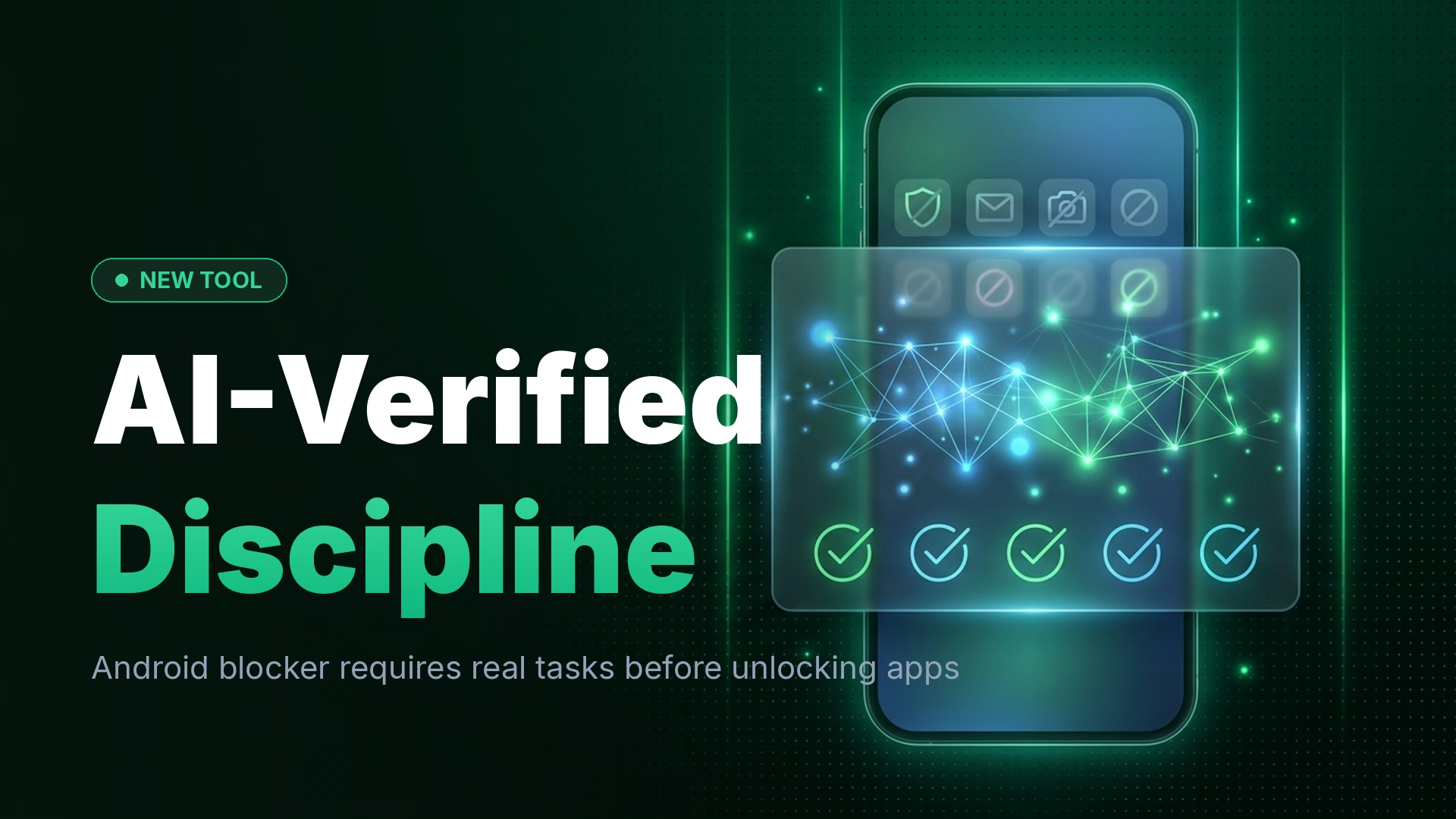
A new open-source Android application combines app blocking with artificial intelligence verification, requiring users to complete physical tasks before regaining access to distracting apps. NichiHab leverages Google Gemini AI to analyze photographic evidence of task completion, creating an accountability layer that goes beyond traditional screen time management tools.
How Gemini AI Powers Task Verification
NichiHab's core innovation lies in its integration with Gemini AI for visual task verification. Users configure the app to block specific applications during designated time periods, but unlike conventional blockers that rely on timers or willpower, NichiHab requires proof of real-world task completion. When a user attempts to access a blocked app, they must photograph evidence of completing a predefined task, such as doing push-ups, cleaning a room, or reading a physical book. The Gemini AI model analyzes the submitted image to verify task completion before unblocking the application.
This approach addresses a fundamental weakness in existing productivity tools: the ease with which users can override their own restrictions. By requiring verifiable physical action, the system creates friction that encourages genuine behavioral change rather than simple digital gatekeeping.
Release Date and Availability
NichiHab officially launched on October 31, 2026, with its source code published on GitHub under an open-source license. The project is available for Android devices and can be built from source or installed via compatible package managers. The repository includes configuration templates and integration documentation for developers interested in extending the platform.
Technical Architecture and Integration
The application's architecture separates blocking functionality from verification logic, allowing for modular development. Key technical features include:
- Direct integration with Google Gemini API for image analysis and natural language task interpretation
- Android AccessibilityService API for app blocking without requiring root access
- Local storage of user-defined task templates and completion history
- Configurable blocking schedules with granular per-app rules
Developers can customize task verification criteria by modifying the Gemini prompt templates, enabling use cases beyond productivity, such as habit formation, therapeutic interventions, or parental controls with educational requirements.
Comparison to Traditional App Blockers
Conventional Android app blockers rely on timer-based restrictions or manual password entry, both of which users can easily circumvent through uninstallation or password recovery. NichiHab's AI verification model introduces a behavioral economics principle: increasing the cost of distraction by requiring meaningful effort. The system doesn't prevent access entirely but creates a decision point where users must weigh the value of app usage against the cost of task completion.
This design philosophy aligns with research showing that friction, rather than absolute barriers, drives sustained behavior change. By making distractions inconvenient rather than impossible, the tool preserves user agency while promoting healthier digital habits.
What This Means
NichiHab represents a practical application of consumer AI models in personal productivity tooling. As Gemini and similar vision-language models become more accessible through API offerings, developers can build accountability systems that bridge digital and physical behavior. The open-source nature of the project invites experimentation with verification criteria, potentially expanding into domains like fitness coaching, study habit enforcement, or workplace focus management. For users struggling with app addiction, the combination of behavioral friction and AI oversight offers a novel intervention strategy grounded in verifiable action rather than self-reported compliance.



on Emergent today


