


Sam Altman: AI Should Not Decide What Humans Do
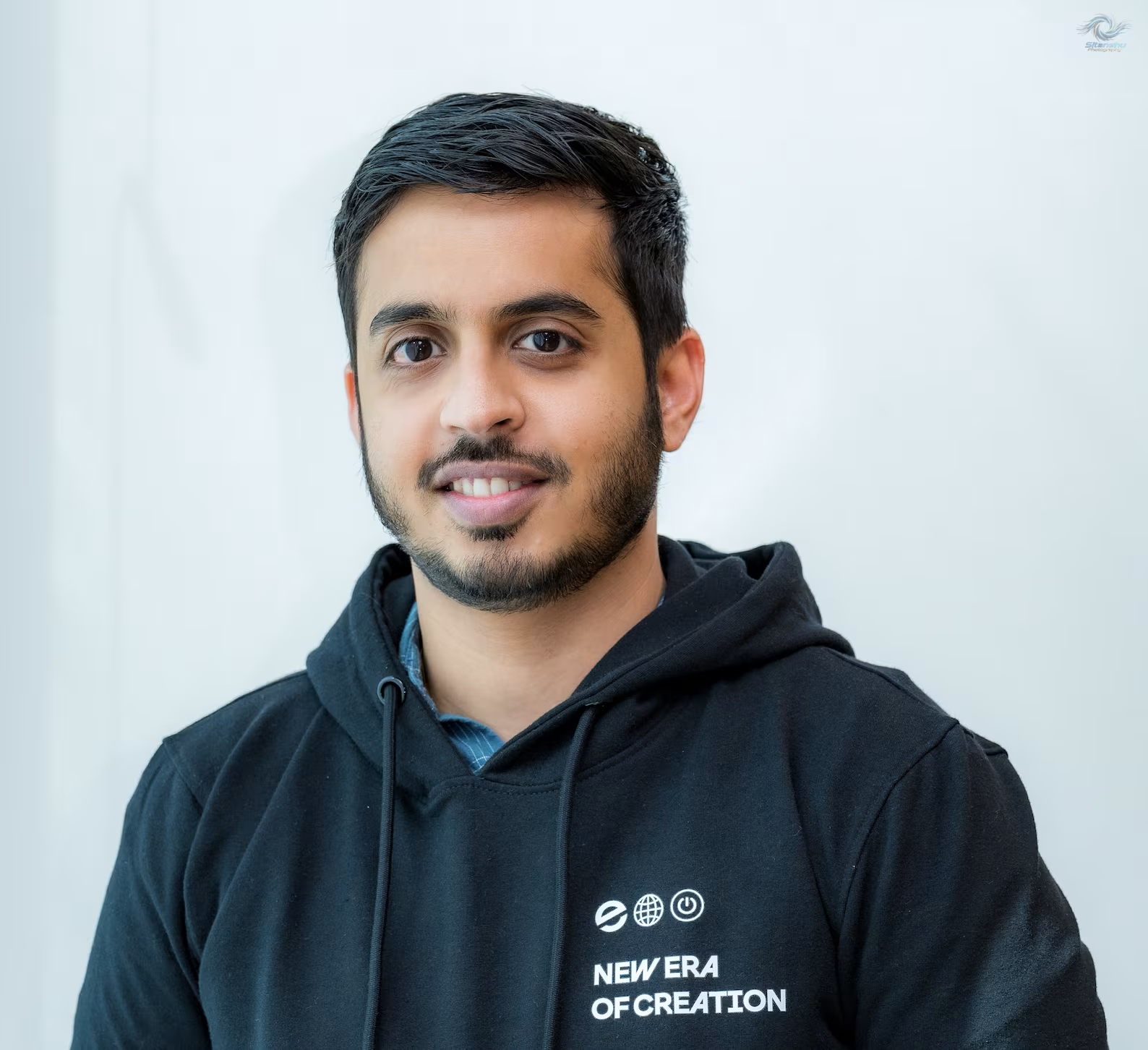

OpenAI CEO Sam Altman issued a strong statement on human agency in AI systems, declaring that artificial intelligence should not determine what humans do with their lives. Speaking on November 4, 2026, Altman emphasized that people should retain control over their decisions and not be relegated to passive roles in an increasingly automated world. The statement reflects a growing industry conversation about the appropriate boundaries for AI autonomy and the risks of over-automation.
The Core Philosophy Behind Human-Centered AI
Altman's position centers on preserving human decision-making power even as AI capabilities expand rapidly. According to the OpenAI leader, technology should serve as a tool that augments human judgment rather than a replacement for it. This philosophy represents a deliberate counterpoint to approaches that prioritize maximum automation, suggesting that some domains should remain firmly under human control regardless of technical feasibility.
The statement arrives at a critical moment when AI systems are increasingly being deployed in high-stakes decision-making contexts, from hiring and lending to healthcare and criminal justice. Industry observers note that Altman's comments signal awareness of the potential societal risks when AI systems assume too much authority over consequential life choices.
Officially Released on November 4, 2026
The public statement was delivered on November 4, 2026, marking a significant moment in ongoing debates about AI governance and ethics. Altman's comments were made available through major news outlets and represent one of his most direct statements on the boundaries of AI decision-making authority. The timing coincides with broader policy discussions about AI regulation and corporate responsibility in the technology sector.
Implications for OpenAI Product Development
This philosophical stance has practical implications for how OpenAI designs and deploys its AI systems. The company's approach appears to favor AI tools that provide information, analysis, and recommendations while keeping final decisions in human hands. This contrasts with fully autonomous systems that execute decisions without human oversight or intervention.
Industry analysts suggest this position may influence OpenAI's product roadmap, potentially leading to features that emphasize human-in-the-loop design patterns and transparency about AI reasoning processes. The approach could also shape how OpenAI trains its models and establishes guardrails against AI overreach in sensitive domains.
Broader Industry Context and Debate
Altman's statement enters an active debate within the AI industry about the proper role of artificial intelligence in society. Some companies have pursued aggressive automation strategies, deploying AI systems with significant autonomous decision-making power. Others, including several major tech firms, have adopted more cautious approaches that prioritize human oversight.
The conversation extends beyond corporate strategy to fundamental questions about human autonomy, dignity, and the kind of future society wants to build with AI technology. Ethicists and policymakers have increasingly called for clear boundaries around AI decision-making, particularly in areas affecting fundamental rights and life opportunities.
What This Means
Sam Altman's statement reinforces an important principle in AI development: technology should empower rather than displace human agency. For OpenAI users and the broader AI community, this philosophy suggests a future where AI serves as a powerful assistant but not a replacement for human judgment in consequential decisions. The position may also influence regulatory discussions and industry standards around AI deployment, particularly in high-stakes contexts where human autonomy and dignity are at stake. As AI capabilities continue to advance, maintaining this distinction between augmentation and replacement will remain a critical challenge for developers and policymakers alike.


on Emergent today


