


TK Elevator Deploys AI Agents for Service Technicians

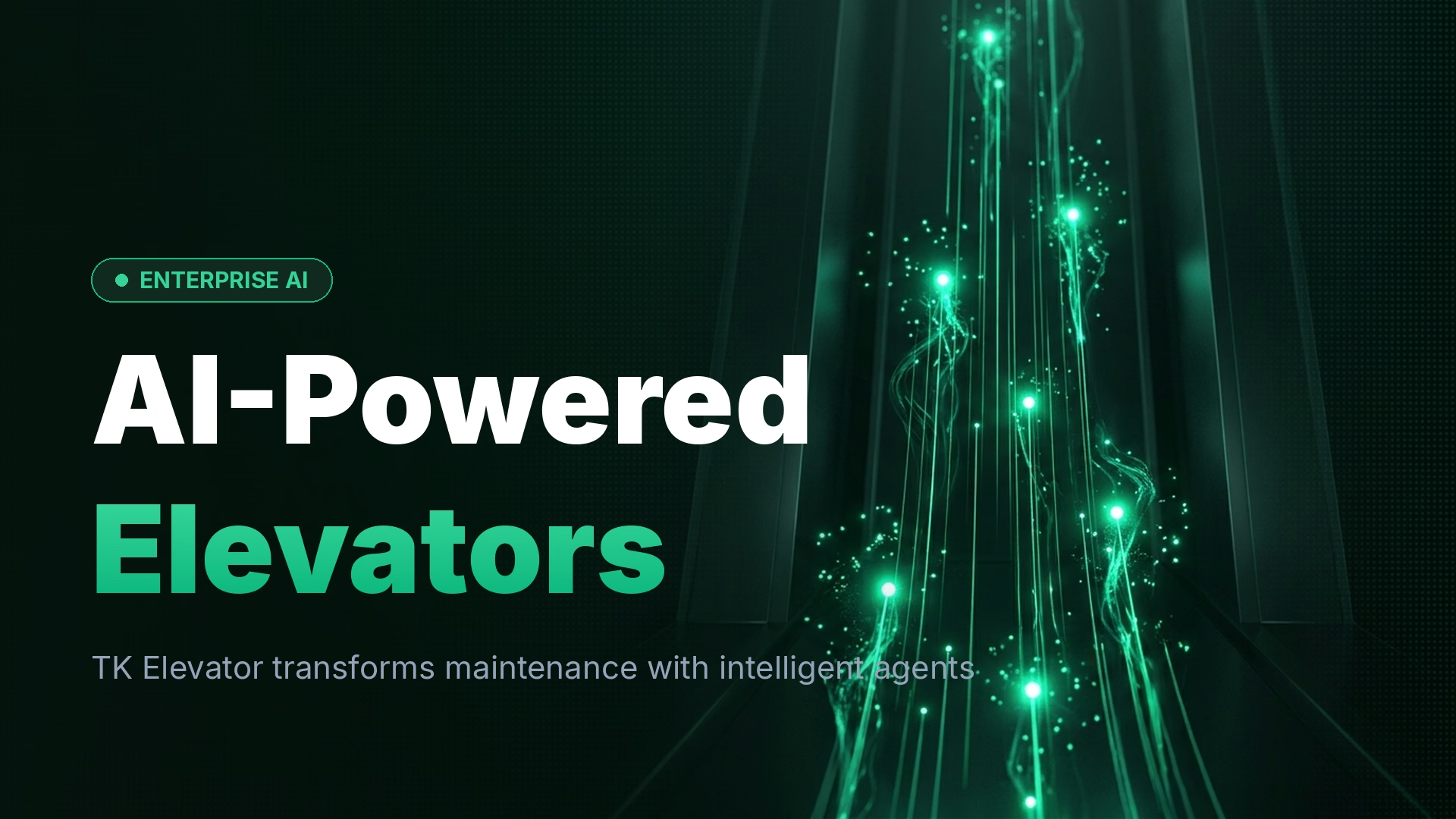
TK Elevator has integrated AI agents and advanced data analytics into its field service operations, equipping technicians with real-time diagnostic tools and predictive maintenance capabilities. Officially launched on October 22, 2026, the system marks a significant step in applying artificial intelligence to industrial maintenance workflows, targeting improved uptime and faster response times across the company's global elevator network.
AI Agents in the Field
The deployed AI agents provide service technicians with automated diagnostics, part recommendations, and troubleshooting guidance directly at job sites. By analyzing sensor data from elevator systems, the agents can identify potential failures before they occur, allowing technicians to perform preventive repairs rather than reactive fixes. This shift reduces emergency callouts and minimizes downtime for building operators.
Technicians access the AI system through mobile devices, receiving alerts that prioritize tasks based on urgency and equipment condition. The agents also suggest optimal repair sequences and flag inventory needs, streamlining workflows that previously required manual assessment and multiple system checks.
Data Analytics Foundation
Underpinning the AI agents is a data infrastructure that aggregates performance metrics from thousands of elevator installations. TK Elevator's analytics platform processes variables including:
- Ride frequency and load patterns
- Component wear indicators from IoT sensors
- Historical maintenance records and failure modes
- Environmental factors affecting equipment longevity
This data feeds machine learning models that refine predictive accuracy over time, enabling the AI to adapt to regional usage patterns and building-specific conditions.
Release Date and Availability
Officially released on October 22, 2026, the AI agent system is being deployed across TK Elevator's service operations in phases. Initial rollout targets high-density urban markets where elevator uptime is mission-critical, with expansion planned for additional regions throughout 2026 and into 2027. The company has not disclosed specific partnership details, though Microsoft's association with the announcement suggests potential use of Azure AI services or related enterprise platforms.
Operational Impact
Early implementation data indicates measurable efficiency gains. Technicians report reduced diagnostic time per service call, with the AI handling routine analysis tasks that previously consumed 15 to 20 minutes of on-site evaluation. Predictive alerts have also decreased the rate of unexpected breakdowns, shifting maintenance schedules toward planned interventions that cause less disruption to building occupants.
The system's ability to recommend parts before technicians arrive at sites has improved first-time fix rates, reducing the need for follow-up visits. TK Elevator estimates this translates to cost savings for building managers and enhanced service level agreement compliance.
What This Means
TK Elevator's AI deployment exemplifies how industrial sectors are adopting generative AI and machine learning to augment human expertise rather than replace it. For service technicians, the technology acts as a decision-support layer, handling data-intensive tasks while leaving nuanced judgment calls to experienced personnel. As elevator systems grow more complex with IoT integration, AI-driven maintenance tools are likely to become standard across the vertical transportation industry, setting benchmarks for uptime and operational efficiency that competitors will need to match.

on Emergent today




