


US Army Cyber Command AI Integration Strategy for 2026

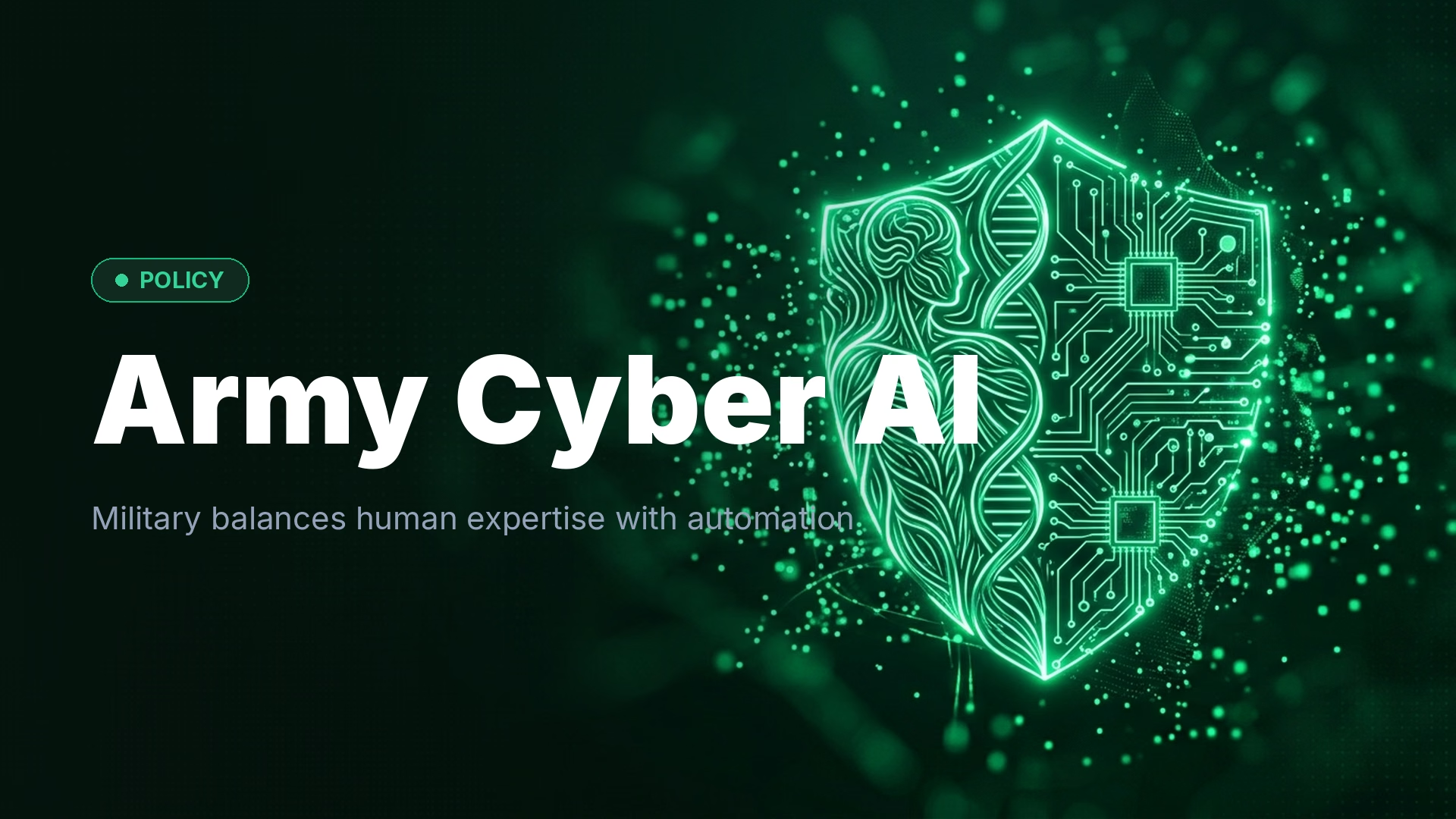
US Army Cyber Command announced a comprehensive strategic framework on October 19, 2026, establishing formal guidelines for integrating artificial intelligence into military cyber operations. The initiative positions human expertise at the center of decision-making while deploying AI systems for enhanced threat detection, analysis, and response capabilities across Army cyber units.
Strategic Framework Components
The human-AI equilibrium model addresses growing concerns about automation in national security contexts. Army Cyber Command leadership designed the framework around three core principles: human authority over critical decisions, AI augmentation of analyst capabilities, and continuous oversight mechanisms. The approach contrasts with fully autonomous systems, instead treating AI as a force multiplier for trained cyber professionals.
Key elements include mandatory human review for offensive cyber operations, AI-assisted threat hunting protocols, and automated initial response systems for known attack patterns. The framework applies to both defensive and offensive cyber missions, with stricter human oversight requirements for operations involving potential kinetic effects or actions against civilian infrastructure.
Release Date and Implementation Timeline
Officially launched on October 19, 2026, the framework enters its pilot phase across select Army cyber units in November 2026. Full operational deployment is scheduled for Q2 2027, pending results from initial testing and integration assessments. The rollout includes training programs for approximately 15,000 Army cyber personnel on new AI-assisted workflows and decision protocols.
Army Cyber Command will conduct quarterly evaluations through 2027 to refine the balance between human judgment and AI automation. The framework remains adaptable to emerging technologies and evolving threat landscapes, with annual review cycles built into the policy structure.
Technology Integration Approach
The Army's AI systems will handle high-volume data processing tasks that exceed human cognitive capacity, including:
- Real-time network traffic analysis across military infrastructure
- Pattern recognition in adversary tactics and techniques
- Automated vulnerability scanning and patch prioritization
- Threat intelligence correlation from multiple classified and open sources
Human operators retain authority over system responses to detected threats, particularly for actions that could escalate conflicts or affect mission-critical systems. The framework explicitly prohibits fully autonomous decision-making in cyber operations with potential strategic consequences.
Defense Industry Implications
Defense contractors supporting Army cyber operations will need to align their AI development efforts with the new equilibrium standards. The framework establishes certification requirements for AI systems used in military cyber contexts, emphasizing explainability, auditability, and human override capabilities. Industry partners have until Q1 2027 to demonstrate compliance with the new guidelines.
The policy also affects procurement processes for cyber tools and platforms. Future contracts will include mandatory human-in-the-loop provisions for AI-driven systems, potentially reshaping the military AI vendor landscape. Several major defense technology firms have already announced plans to adapt their cyber products to meet Army Cyber Command specifications.
What This Means
US Army Cyber Command's human-AI equilibrium framework represents a pragmatic approach to military AI adoption, acknowledging both the transformative potential of automation and the irreplaceable value of human judgment in high-stakes security contexts. The initiative sets a precedent for other military branches and federal agencies navigating similar technology integration challenges. As adversaries deploy increasingly sophisticated AI-enabled cyber capabilities, the Army's balanced model aims to maintain technological competitiveness while preserving accountability and strategic control in cyber operations.



on Emergent today


