


Vatican Hosts AI and Human Dignity Dialogue in Rome

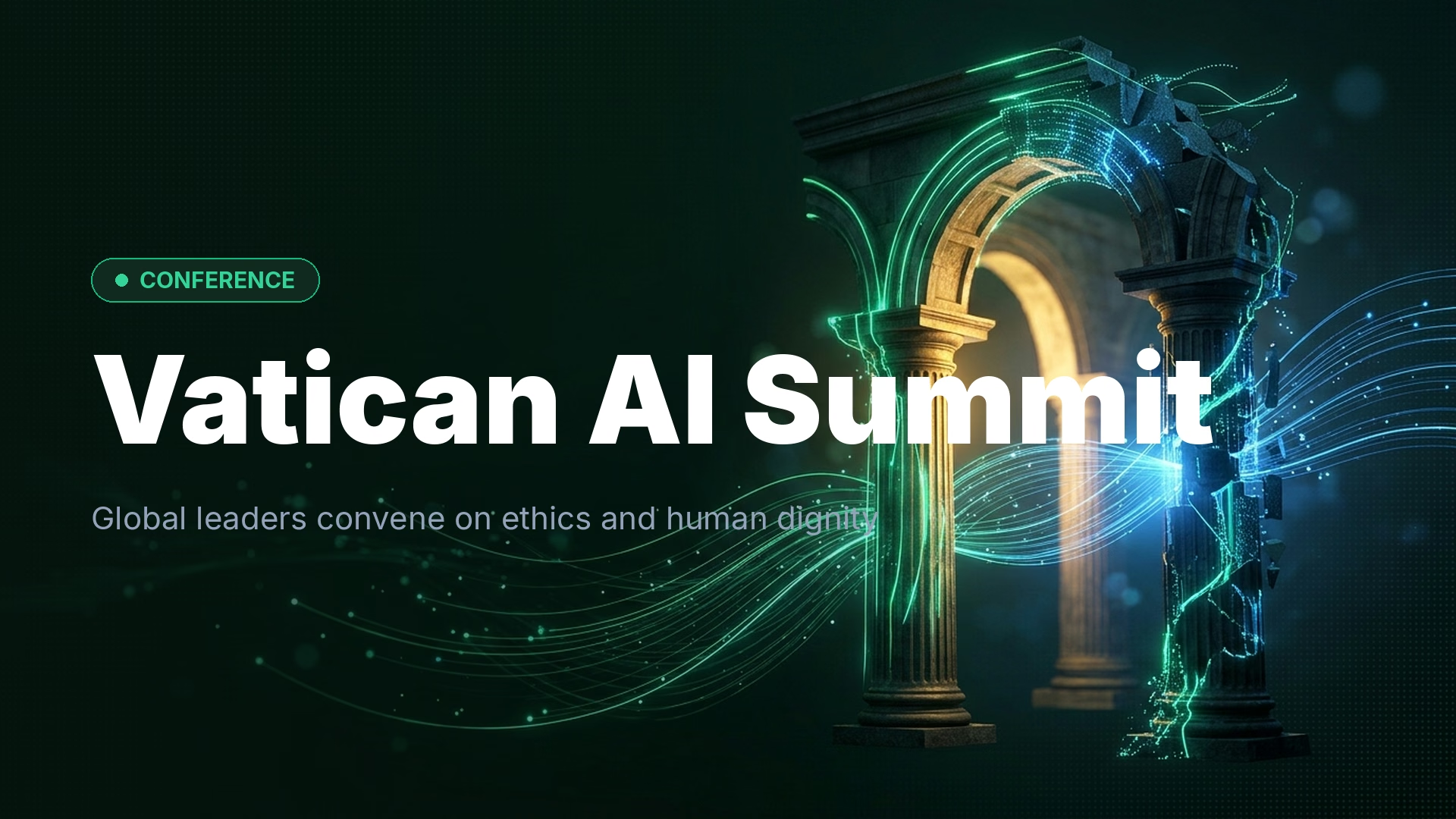
The Vatican convened a high-level dialogue on artificial intelligence and human dignity on October 30, 2026, bringing together religious leaders, ethicists, and technology experts to address the moral implications of rapidly advancing AI systems. The event, hosted at the Holy See in Rome, marks the Catholic Church's continued engagement with technology governance as AI capabilities expand across society.
Faith and Technology Converge
The dialogue centered on establishing ethical frameworks for AI development that prioritize human rights and dignity. Participants discussed how religious principles can inform technology policy, particularly as autonomous systems take on roles in healthcare, education, and decision-making processes that affect vulnerable populations. The Vatican emphasized that technological progress must serve humanity rather than diminish human agency or moral responsibility.
Representatives from major tech companies joined clergy and scholars in examining case studies where AI systems intersect with fundamental human values. Discussions covered algorithmic bias, privacy rights, and the need for transparent governance structures that include diverse voices in AI policy formation.
Key Principles Outlined
Conference participants outlined several core principles for human-centered AI development:
- Preservation of human dignity in all AI applications
- Transparency and accountability in algorithmic decision-making
- Protection of vulnerable populations from AI-driven discrimination
- Inclusion of ethical review in AI research and deployment
- Recognition of limits where human judgment cannot be replaced by automation
The Vatican's approach builds on its 2020 Rome Call for AI Ethics, which established early guidelines for responsible AI. This latest dialogue expands those principles with concrete recommendations for implementation across sectors including healthcare, criminal justice, and education.
Release Date and Format
Officially launched on October 30, 2026, the dialogue represents an ongoing Vatican initiative to shape global AI governance. The event included panel discussions, working group sessions, and a joint declaration signed by participating organizations. The Vatican plans to release detailed proceedings and policy recommendations in the coming months, with follow-up summits scheduled for 2027.
Global AI Governance Movement
The Vatican's engagement reflects a broader trend of religious and cultural institutions entering AI policy debates. Similar initiatives have emerged from Islamic scholars, Buddhist organizations, and interfaith coalitions seeking to ensure AI development reflects diverse human values. These efforts complement regulatory frameworks being developed by governments and international bodies, adding moral and philosophical dimensions to technical standards.
The dialogue addressed practical concerns about AI systems trained without adequate consideration of human context, cultural values, or ethical boundaries. Participants stressed the importance of human oversight in AI applications that affect individual rights, family structures, and community wellbeing.
What This Means
The Vatican's AI dialogue signals institutional recognition that technology governance requires more than technical expertise. By convening religious, ethical, and technological perspectives, the event demonstrated how diverse stakeholders can contribute to shaping AI systems that respect human dignity and moral agency. As AI capabilities grow, these cross-sector conversations will likely influence both industry practices and international policy frameworks, ensuring human values remain central to technological advancement.



on Emergent today


