


Vodacom Seeks Partners for AI Data Centers Across Africa

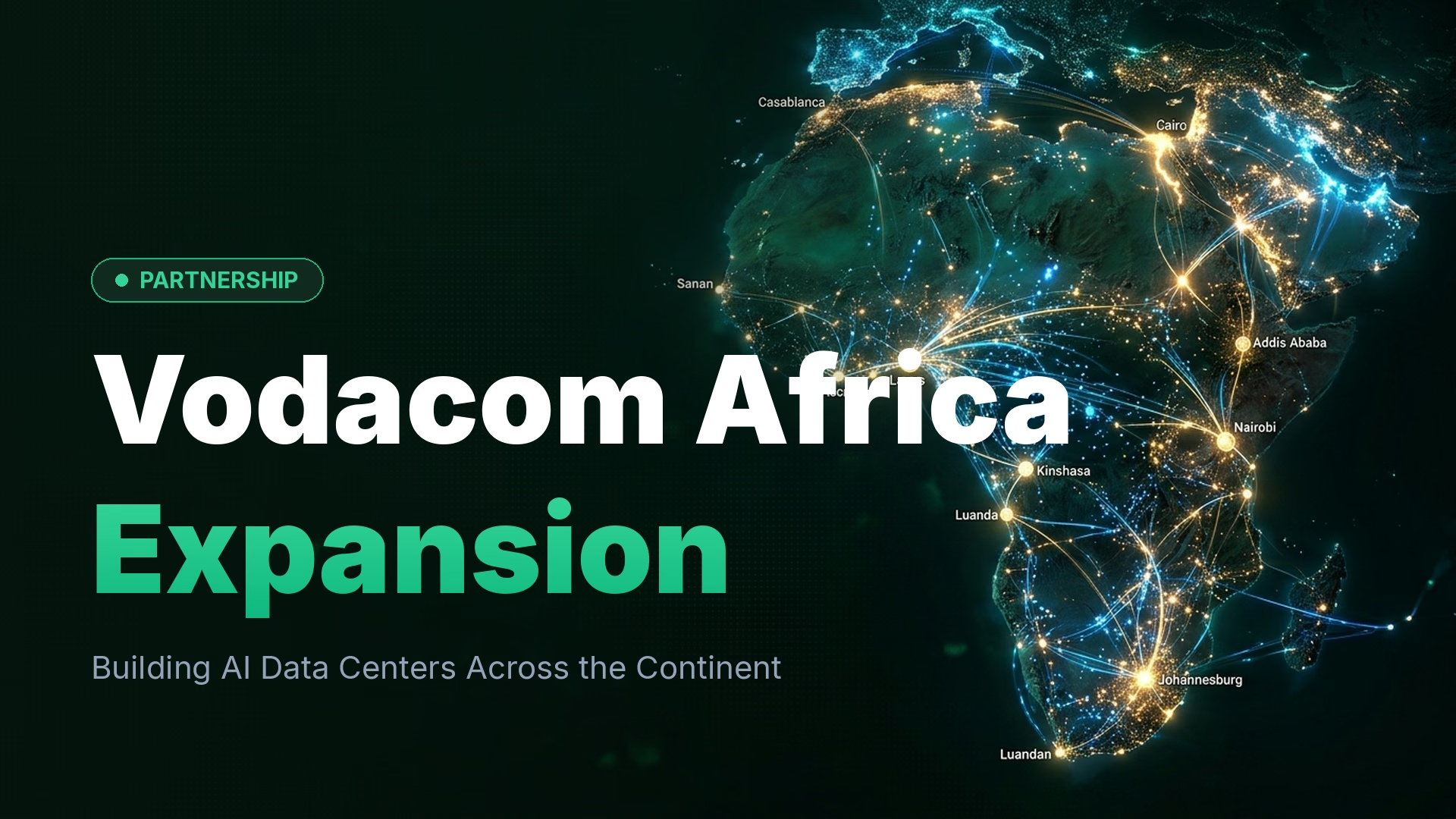
Officially launched on November 10, 2026.
Vodacom Group Ltd. announced a strategic partnership initiative to build artificial intelligence data centers across Africa, starting with Egypt and expanding to South Africa and Kenya. CEO Shameel Joosub revealed the Johannesburg-based telecom giant has already partnered with billionaire Strive Masiyiwa's Cassava Technologies and ElSewedy Electric to develop AI infrastructure, addressing a critical gap in the continent's computing capacity.
The announcement comes as Vodacom reported a 26% profit increase for the six months through September 30, 2026, driven by its increased stake in Kenya's Safaricom. With 250 million customers across its markets, Vodacom is positioning itself to capture the emerging AI infrastructure opportunity in Africa.
Africa's Infrastructure Gap
Africa currently houses less than 1% of global data center capacity, representing a significant infrastructure deficit despite having the world's fastest-growing and youngest population. South Africa, the continent's most powerful economy, hosts most existing computing power, with hyperscalers including Microsoft, Alibaba, and Amazon offering cloud services from the region.
The limited infrastructure has created challenges for local AI development and forced African businesses to rely on distant data centers, increasing latency and costs. Vodacom's initiative aims to provide more localized options for hyperscalers and regional customers seeking lower-latency AI computing services.
Partnership and Funding Strategy
Vodacom will use a joint-venture model to share both costs and expertise across its AI data center buildout. "It will be a big investment, and that is why we're bringing on partners," Joosub explained in an interview with Bloomberg. The data centers will be funded through a combination of equity and debt within the joint-venture structures.
Under the partnership model, Vodacom will maintain an ownership stake in the facilities while handling the majority of customer sales. "On the one side we will have a stake in the data center, and on the other side we will probably do the lion's share of the sales of the data center to customers," Joosub said. The company has not disclosed specific funding requirements for the initiative.
Competitive Landscape
Vodacom's move follows similar initiatives by competitors in the African telecom market. Cross-town rival MTN Group recently partnered with a Middle East-based investment platform founded by Tarek Al Ashram to build AI data centers in Nigeria and South Africa. The parallel investments signal growing recognition of Africa's AI infrastructure needs among major telecom operators.
The additional buildout of AI data centers across multiple countries will provide hyperscalers with more geographic distribution options, potentially reducing reliance on South Africa's existing concentration of computing power. This geographic diversification could improve service quality and regulatory compliance for international cloud providers operating in Africa.
Release Date and Market Impact
Officially announced on November 10, 2026, Vodacom's partnership strategy sent shares up nearly 5% in Johannesburg trading, valuing the firm at $22 billion. The company, majority-owned by UK-based Vodafone Group, declared an interim dividend of 3.55 rand, representing a 7.6% increase from the previous year.
The announcement comes amid legal challenges to Vodacom's increased stake in Safaricom. Kenya's High Court declared the government's sale of a 15% holding to Vodacom unconstitutional, though an appeals court has allowed Vodacom to retain the shares while fast-tracking an appeal. The Safaricom stake increase lifted Vodacom's interest to 55% and contributed significantly to the company's profit growth.
What This Means
Vodacom's partnership strategy represents a significant step toward closing Africa's AI infrastructure gap. By sharing costs and expertise through joint ventures, the telecom operator can deploy capital more efficiently while building capabilities across its three largest markets. The initiative positions Africa to participate more actively in global AI development, providing local businesses and hyperscalers with lower-latency computing options. As AI adoption accelerates globally, Africa's ability to develop local infrastructure will determine whether the continent can capture economic benefits from the technology or remain dependent on distant data centers.


on Emergent today


