


Washington Tells AI Execs to Stop Talking: New Directive

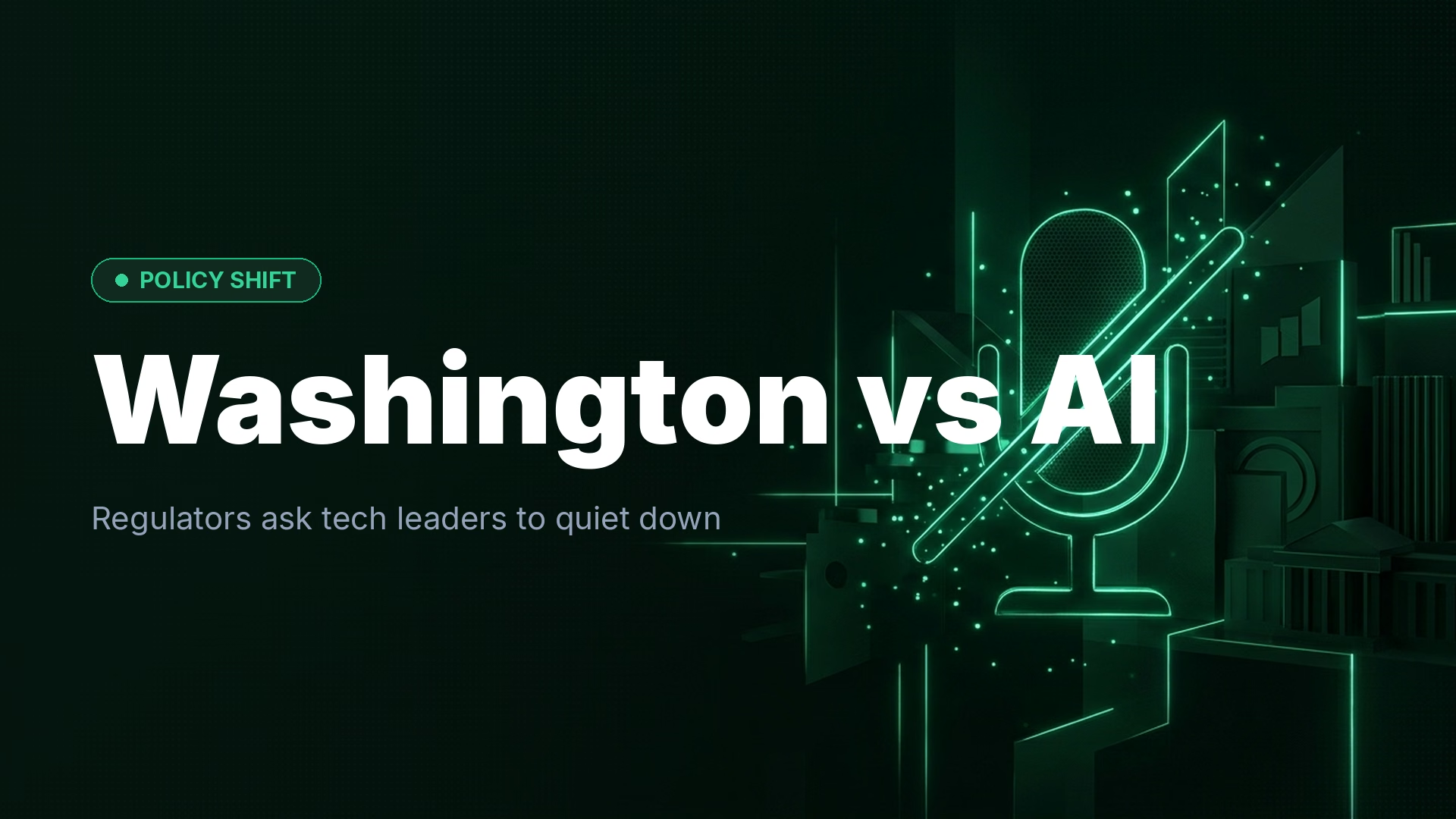
Federal policymakers in Washington have delivered an unusually direct message to artificial intelligence company executives: reduce your public commentary. The directive, communicated through regulatory channels on October 24, 2026, marks a significant shift in how the government wants AI development discussions handled, prioritizing closed-door policy conversations over the constant stream of media appearances and speculative announcements that have characterized the industry.
The Communication Directive
Officially released on October 24, 2026, the guidance requests that AI company leaders limit public statements about future capabilities, regulatory positions, and industry predictions. According to sources familiar with the directive, Washington officials believe the current volume of executive commentary creates confusion, raises unrealistic expectations, and complicates ongoing policy development. The request applies broadly to CEOs, CTOs, and senior executives at major AI laboratories.
The timing coincides with several high-profile regulatory initiatives moving through Congress and executive agencies. Policymakers argue that executives making competing claims about AI safety, capabilities, and timelines undermines coordinated governance efforts. The directive does not carry legal enforcement mechanisms but represents a clear expectation from federal authorities.
Industry Response and Implications
Major AI companies are already adjusting their communication strategies. Several firms have quietly reduced the number of executive interviews scheduled for the remainder of 2026, while others are routing more announcements through official press releases rather than individual leader commentary. The shift affects how companies position new model releases, research breakthroughs, and competitive positioning.
- Reduction in executive media appearances and conference keynotes
- Increased reliance on formal corporate communications channels
- More private briefings with regulators replacing public speculation
- Tighter messaging coordination across industry working groups
The Broader Regulatory Context
This directive fits within Washington's evolving approach to AI governance. Throughout 2026, federal agencies have moved from reactive oversight to proactive policy frameworks. The executive commentary issue became particularly acute after conflicting public statements from tech leaders about AI safety protocols, model capabilities, and international competitiveness created policy confusion.
Regulators want substantive input from industry through established channels, not competing narratives shaped by individual executive perspectives. The request reflects frustration with what some officials describe as performative safety discussions that serve branding purposes rather than meaningful governance collaboration.
What This Means
The communication directive signals a maturation point in AI regulation. Washington is asserting more control over how public discourse around artificial intelligence unfolds, preferring structured policy dialogue to the free-for-all of executive punditry. For AI companies, this means rethinking how they build public trust and stakeholder relationships. For the broader tech industry, it suggests regulators are prepared to set boundaries on corporate communication practices when they perceive public interest at stake. The long-term impact depends on whether executives comply voluntarily or if Washington escalates to formal restrictions.



on Emergent today




