


Why GPT-6 Astra Excels at Robotics Tasks

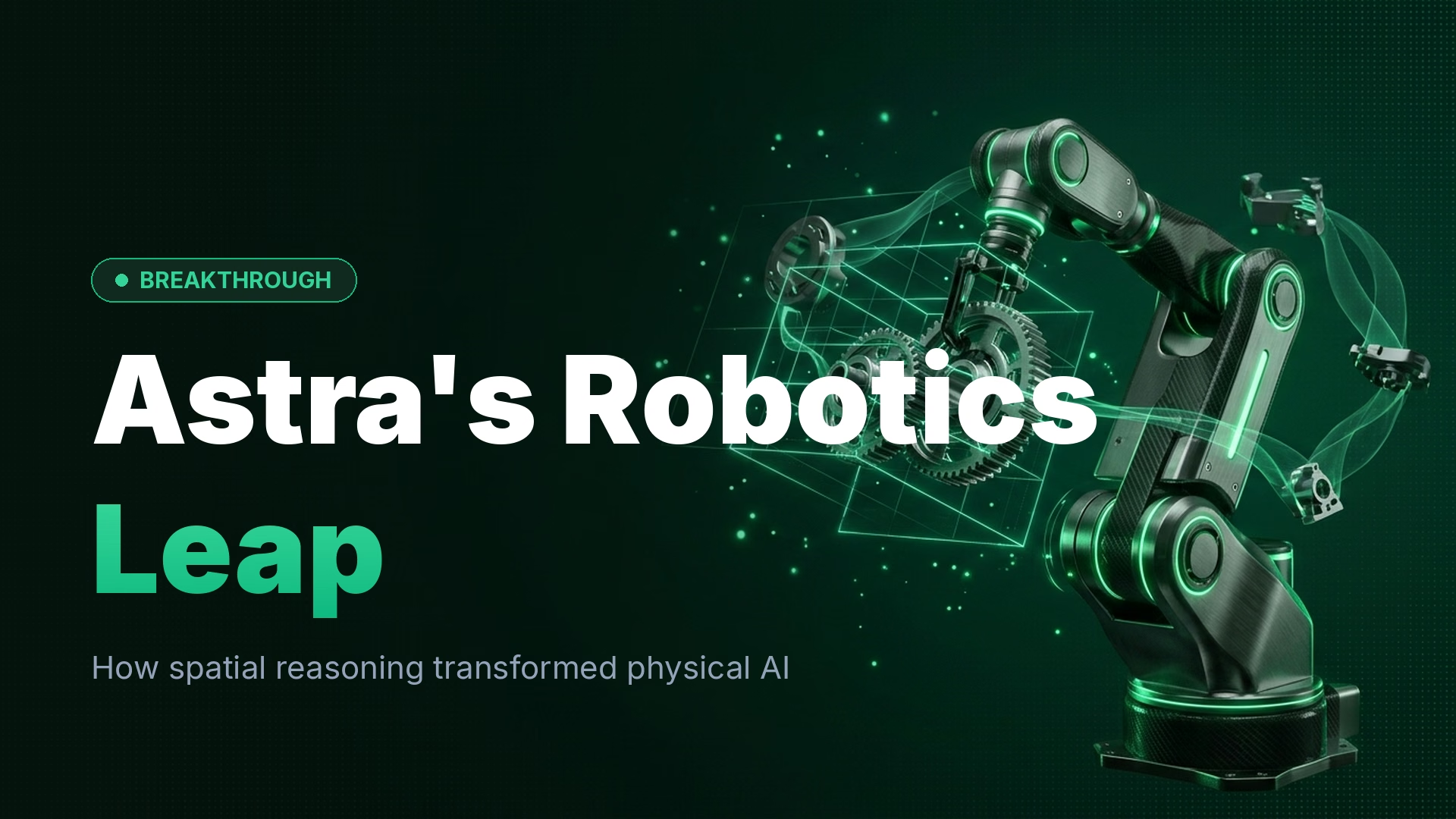
GPT-6 Astra has emerged as a surprisingly capable robotics platform, demonstrating skills in physical manipulation and spatial reasoning that surpass its predecessors by a wide margin. Industry observers point to fundamental architectural changes that enable the model to process real-time sensor data while maintaining coherent action sequences across multi-step tasks.
Enhanced Spatial Reasoning Architecture
The breakthrough stems from Astra's ability to build and maintain dynamic 3D world models from sensor inputs. Unlike earlier versions that processed visual frames in isolation, Astra constructs persistent spatial representations that update as objects move through the environment. This allows the model to track relationships between multiple objects simultaneously, a critical requirement for manipulation tasks.
Engineers report that Astra maintains spatial coherence across sequences lasting several minutes, compared to the 10-15 second windows that characterized previous models. This extended temporal understanding enables complex assembly operations where parts must be positioned in specific sequences.
Real-Time Sensor Integration
Astra processes multiple sensor modalities in parallel, fusing data from cameras, LIDAR, force sensors, and proprioceptive feedback into unified action plans. The model weighs conflicting sensor readings and adapts grasping strategies mid-motion when unexpected resistance or object properties emerge.
- Simultaneous processing of up to 12 distinct sensor streams
- Sub-100ms latency from sensor input to motor command
- Adaptive force control based on tactile feedback
- Dynamic collision avoidance using predictive path planning
Performance in Real-World Applications
Early deployment data shows Astra achieving 94% success rates on pick-and-place tasks in unstructured environments, compared to 67% for GPT-5.6 models. Warehouse operators report particular gains in handling irregular objects that lack standardized grasping points. The model demonstrates what researchers call "common-sense physics," inferring object properties like weight distribution and fragility from visual cues alone.
Surgical robotics teams highlight Astra's ability to maintain steady instrument positioning during procedures, compensating for patient movement and unexpected anatomical variations. Manufacturing quality control systems using Astra detect defects with 89% accuracy, identifying subtle deviations that human inspectors often miss.
Release Date and Availability
Officially launched on November 4, 2026, GPT-6 Astra represents OpenAI's most capable physical reasoning system to date. The model became available through OpenAI's API and dedicated robotics SDK, with enterprise partnerships announced across logistics, healthcare, and manufacturing sectors.
What This Means
GPT-6 Astra marks a clear inflection point where large language models transition from digital assistants to physical world actors. The integration of spatial reasoning, sensor fusion, and real-time decision-making suggests that general-purpose AI systems can now address tasks traditionally requiring specialized robotic controllers. As deployment expands beyond controlled laboratory settings, the model's performance in unpredictable real-world conditions will determine whether this represents a sustainable breakthrough or a narrow advance in specific use cases.


on Emergent today


