


Working With AI Agents: Inside the New Workplace Reality

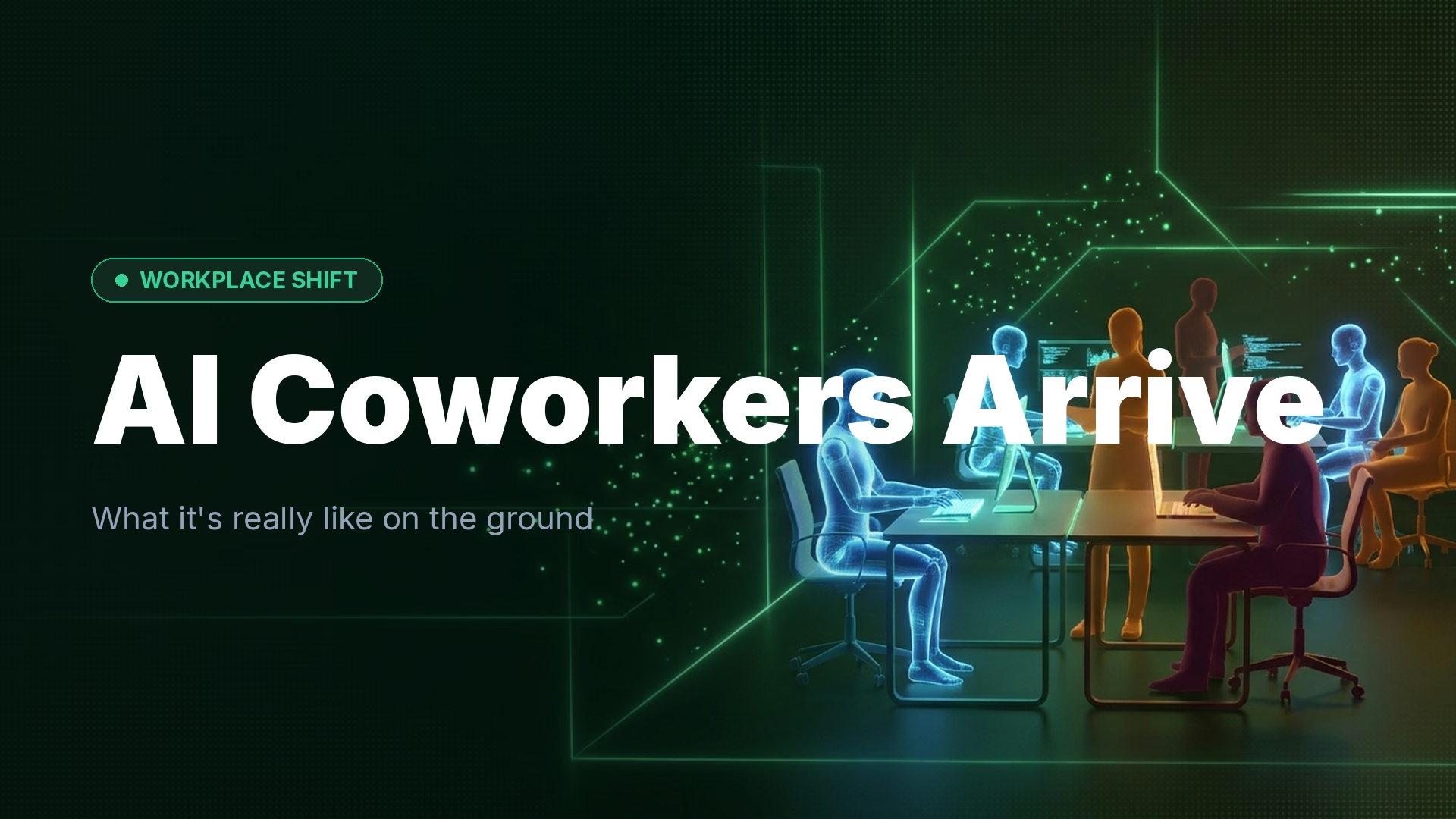
As AI agents transition from experimental tools to full-fledged workplace teammates, millions of professionals are navigating a fundamental shift in how work gets done. Officially launched on October 29, 2026, The Guardian's investigation reveals what it's actually like to share office space, virtual or physical, with autonomous AI systems that schedule meetings, draft documents, and make decisions alongside human colleagues.
The Daily Reality of AI Coworkers
Workers across industries describe a workplace that feels simultaneously more efficient and more complex. Sarah Chen, a marketing director at a San Francisco tech firm, explains that her AI agent handles routine client communications and data analysis, freeing her for strategic work. Yet she also reports a learning curve: understanding when to defer to the AI's recommendations and when to override them requires judgment that wasn't part of her job description two years ago.
The agents operate with varying degrees of autonomy. Some require human approval for major decisions, while others execute tasks end-to-end. In customer service centers, AI agents now handle 60-70% of inquiries without human intervention, according to industry data. Knowledge workers in legal, finance, and creative fields report that AI teammates draft initial versions of contracts, financial models, and marketing copy that humans then refine.
Productivity Gains and Cultural Friction
The efficiency benefits are measurable. Organizations deploying AI agents report productivity increases of 30-40% on routine tasks. Meeting scheduling, which once consumed hours of back-and-forth emails, now happens instantly. Document review that took days now takes hours.
But the cultural adjustment proves challenging. Workers describe feeling uncertain about their roles when agents handle tasks they once considered core competencies. Questions arise about who gets credit for work product when an AI drafts it and a human edits it. Some teams report tension over decision-making authority: when an AI agent recommends a course of action based on data analysis, overruling it can feel like ignoring evidence, even when human intuition suggests otherwise.
- Clear protocols for human-AI decision-making reduce confusion and improve outcomes
- Regular calibration sessions help teams understand AI agent capabilities and limitations
- Transparent accountability frameworks clarify responsibility when things go wrong
Establishing New Collaboration Norms
Forward-thinking organizations are developing frameworks for human-AI collaboration. These include explicit guidelines about which decisions require human judgment, how to escalate ambiguous situations, and how to document the reasoning behind choices made with AI input. Some companies hold weekly "AI team meetings" where human workers review agent performance and adjust parameters.
The most successful implementations treat AI agents as junior team members who require onboarding, feedback, and ongoing training. Workers report that this framing helps them develop productive working relationships rather than viewing agents as either magical solutions or threatening replacements.
What This Means
The arrival of AI agents as workplace coworkers marks a permanent shift in professional life. The experience is neither utopian nor dystopian but pragmatic: work gets done faster, but humans must develop new skills in delegation, oversight, and collaboration with non-human intelligence. Organizations that invest in cultural adaptation, clear protocols, and ongoing training position their teams to capture the productivity benefits while managing the inevitable friction. As AI capabilities continue advancing, the question is no longer whether to work with AI agents but how to do it effectively.

on Emergent today


