


Zoho Skips Pay Hikes as AI Costs Soar, Warns on Jobs

Officially launched on October 13, 2026.
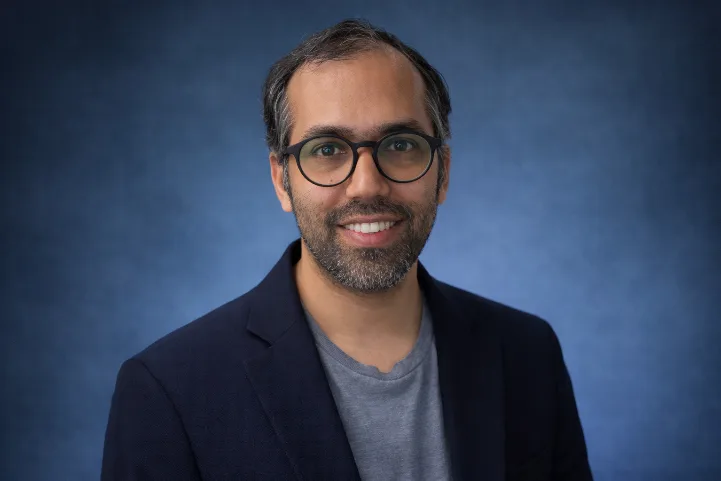
Zoho Corporation announced on October 13, 2026, that it will not provide salary increases to employees this year, citing the substantial financial burden of AI infrastructure investments. CEO Sridhar Vembu issued a stark warning about the software employment landscape, suggesting that AI-driven automation will fundamentally reshape job availability and compensation structures across the technology sector through 2027 and beyond.
Rising AI Infrastructure Costs Drive Decision
The decision to freeze compensation reflects the mounting costs associated with integrating AI capabilities across Zoho's product suite. Enterprise software companies are experiencing unprecedented infrastructure expenses as they deploy large language models, machine learning pipelines, and AI-powered features that require significant computational resources. Zoho's move signals that even profitable SaaS companies are reassessing traditional compensation models to accommodate AI investment priorities.
Industry analysts estimate that AI infrastructure costs for enterprise software companies have increased 340% since 2024, driven by GPU shortages, energy consumption, and the need for specialized talent to build and maintain AI systems. Zoho's compensation freeze directly connects these technical investments to workforce economics, making explicit a trade-off many companies have approached quietly.
Vembu's Warning on Software Employment Outlook
Sridhar Vembu warned that the software jobs market faces a challenging period as AI automation capabilities mature. According to the CEO, roles traditionally requiring human software engineers are increasingly being augmented or replaced by AI-assisted development tools, code generation platforms, and autonomous testing systems. This shift is expected to compress demand for entry-level and mid-level software positions while increasing premium compensation for AI specialists and system architects.
Vembu specifically noted that companies investing heavily in AI infrastructure will need to redirect financial resources away from headcount expansion and toward compute capacity, data acquisition, and model training. The statement represents one of the most direct public acknowledgments from a major SaaS CEO that AI economics are forcing hard choices between workforce growth and technological capability.
Availability and Industry Context
Officially announced on October 13, 2026, the compensation policy applies to Zoho's global workforce across its suite of business applications. The company has not specified whether the freeze is temporary or signals a longer-term shift in compensation strategy. Zoho joins a growing number of enterprise software companies reassessing traditional salary progression models in light of AI-related capital expenditures.
The timing coincides with broader industry discussions about AI ROI and sustainability. While companies race to integrate AI features to remain competitive, the infrastructure costs are proving higher and more sustained than initial projections suggested. Zoho's transparency about linking compensation to AI costs may prompt similar announcements from competitors facing identical economic pressures.
What This Means
Zoho's decision to freeze salaries while prioritizing AI investments reveals the difficult trade-offs enterprise software companies face as they navigate the transition to AI-powered products. For software professionals, Vembu's warning suggests that career strategies must evolve beyond traditional development skills toward AI literacy, system design, and roles that complement rather than compete with automation. The announcement also underscores that AI adoption costs are not abstract future concerns but present-day budget realities reshaping compensation, hiring, and workforce planning across the technology sector. Companies that fail to balance AI investment with talent retention risk losing competitive advantage in both product capability and human capital.


on Emergent today




