

Build Underwriting Automation Around Your Own Guidelines
Build underwriting automation that applies your own referral rules to every submission and records who decided each file.
Build underwriting automation for my MGA that reads broker submissions and sends any risk over my authority limit to a senior underwriter.
Trusted by Builders Worldwide
Active Builders Worldwide
Apps Successfully Created
Countries Globally Reached



What Emergent Builds Into an Underwriting App
One app takes in each submission and keeps the record of who decided what.
Submissions read into fields
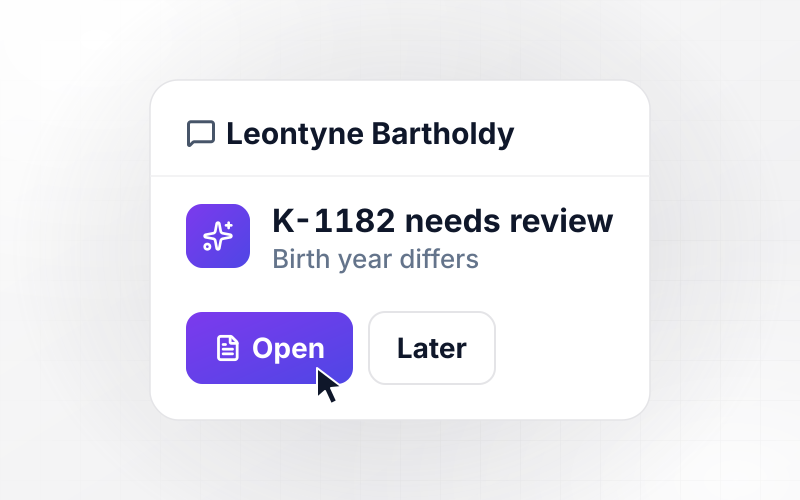
The app reads the broker's application and attachments into fields such as insured name, locations, revenue and prior carrier. Any field the AI is unsure of goes to a person.
Referral rules written in plain English
Emergent builds each referral rule from your prompt: a limit by line of business, a class you never write, a claim count. Change a rule by prompting, and the next file follows it.
Connected to your policy system
The app pulls policy and claim history from your policy administration system through its API and writes the outcome back. Any other tool with an API connects the same way.
Alerts that carry a link, not the file
Slack and email alerts give the submission number and the rule that fired, with a link to the file. Applicant details stay inside the app instead of sitting in a chat thread.
Every decision kept in a database you own
Every quote and decline is saved with the underwriter's name and stated reason, plus a timestamp. The record sits in a database you own, ready for an audit or a file review.
Your underwriting app's code, in GitHub
Export the full code to your GitHub repository on paid plans. Your IT and compliance teams can read how each referral rule is written before it ever touches a live submission.
Four Underwriting Desks, Four Different Rules
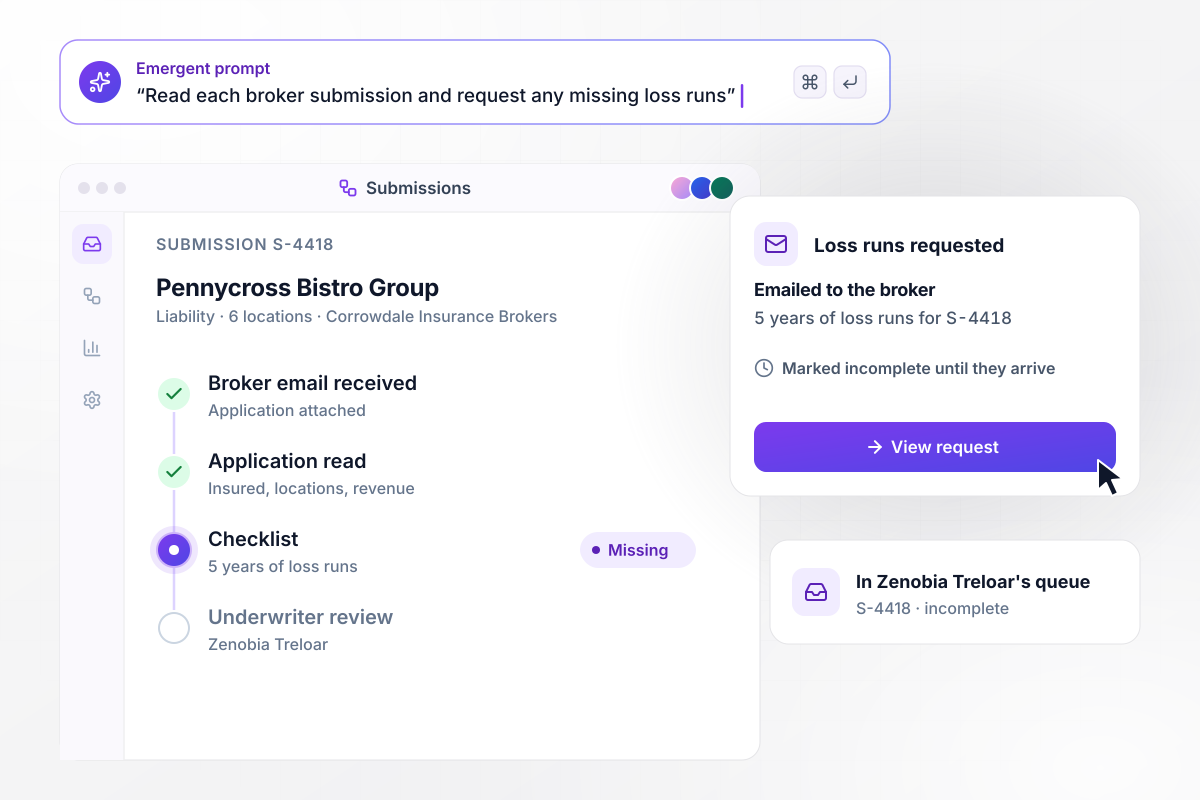
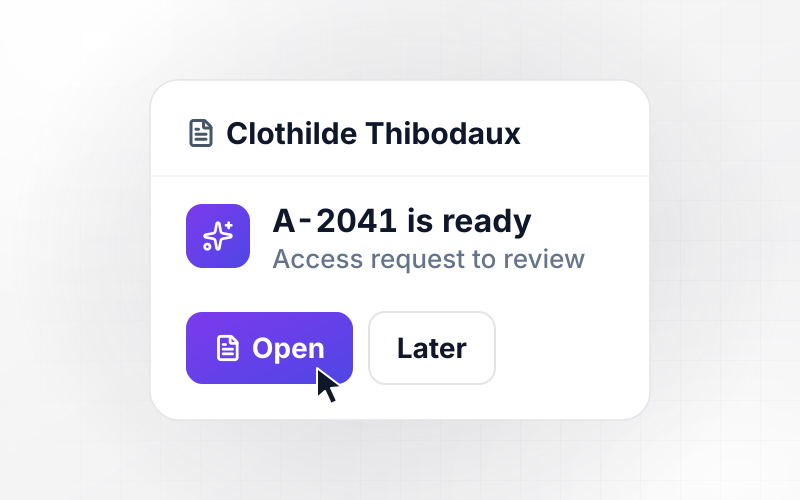
With no loss runs, S-4418 waits on the broker
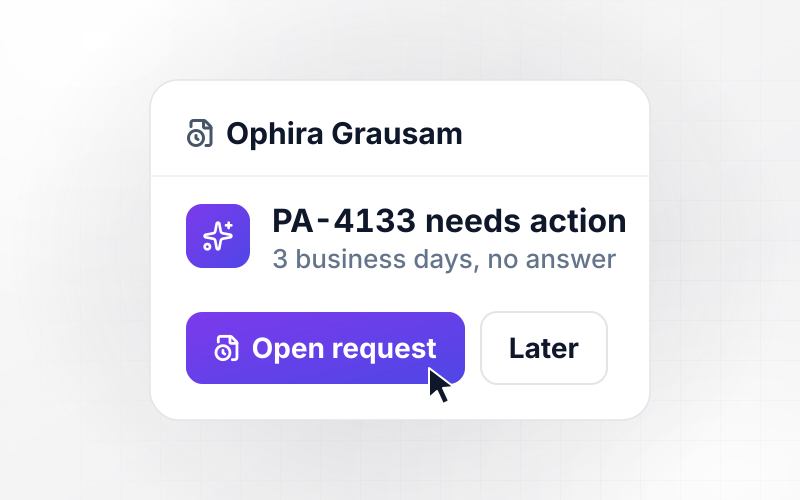
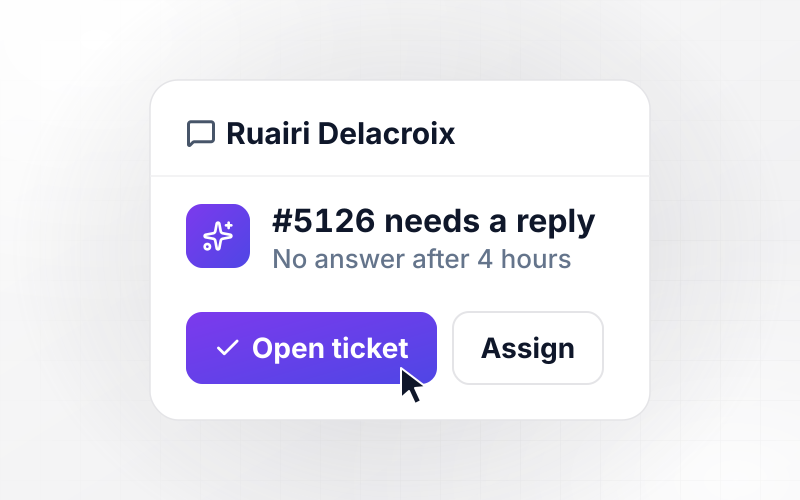
Corrowdale Insurance Brokers emails Tollemarsh Underwriting Managers a liability submission for Pennycross Bistro Group, with 6 locations. The app reads it into submission S-4418 and finds the 5 years of loss runs missing. It emails the broker for them, and S-4418 waits in Zenobia Treloar's queue, marked incomplete.
window.awbMockup = { brokerSubmissions: "Build submission intake for my MGA. Read each broker's emailed application into a submission record with the insured name, locations and revenue. Check it against my checklist for that line of business. If 5 years of loss runs are missing, email the broker to request them and keep the submission in the underwriter's queue marked incomplete.", authorityLimits: "Build referral rules for my property underwriting team. Each underwriter has an authority limit on total insured value. When a submission is over the assigned underwriter's limit, refer it to a senior underwriter and send them an alert with only the submission number, the limit passed, and a link. Keep the first underwriter's notes on the file.", renewalReviews: "Build a renewal check for my commercial auto book. Before each policy renews, count its claims over the last three years from our claims system. Send any policy with two or more claims to an underwriter for a full review. Fill a renewal worksheet from the policy record for the rest and leave it for an underwriter to sign off.", merchantReview: "Build merchant application review for my payments company. Read the last 3 months of processing statements each applicant uploads into the application. If expected monthly card sales are above $250,000, put the application in an analyst's queue and email them the application number and a link. Send smaller applications on to our standard checks." };
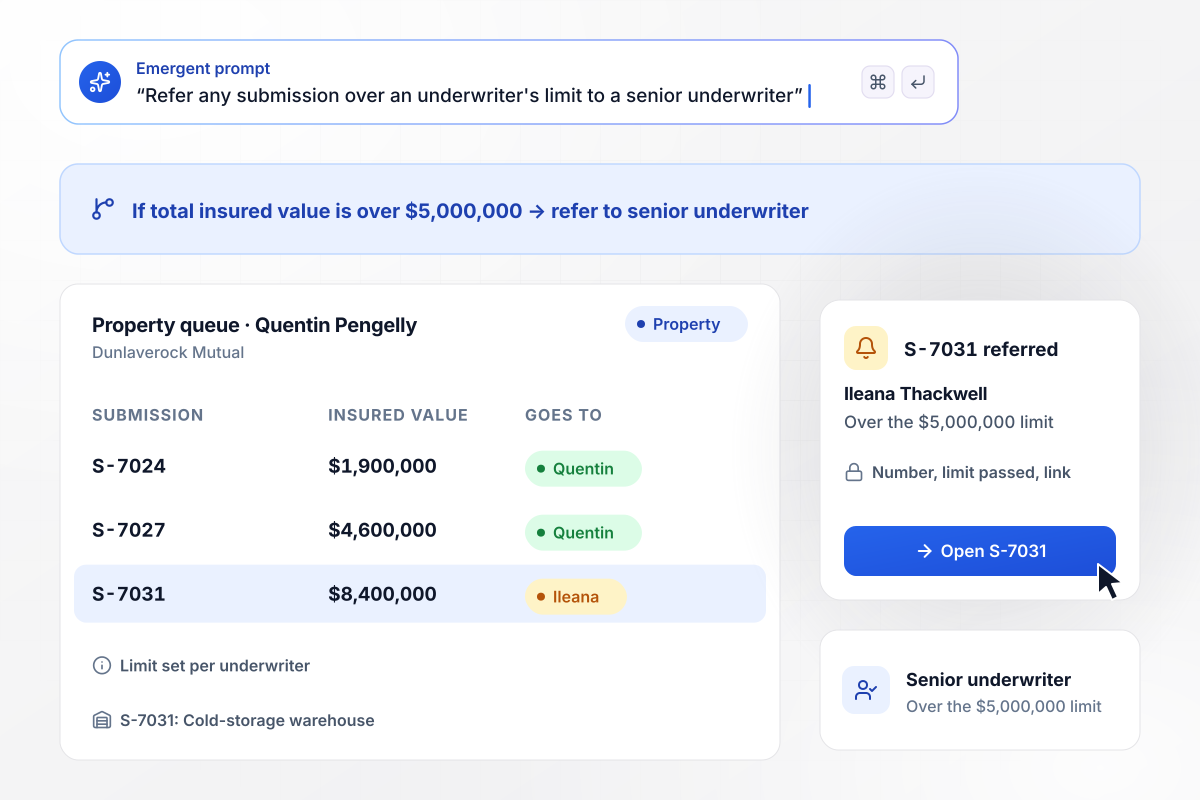
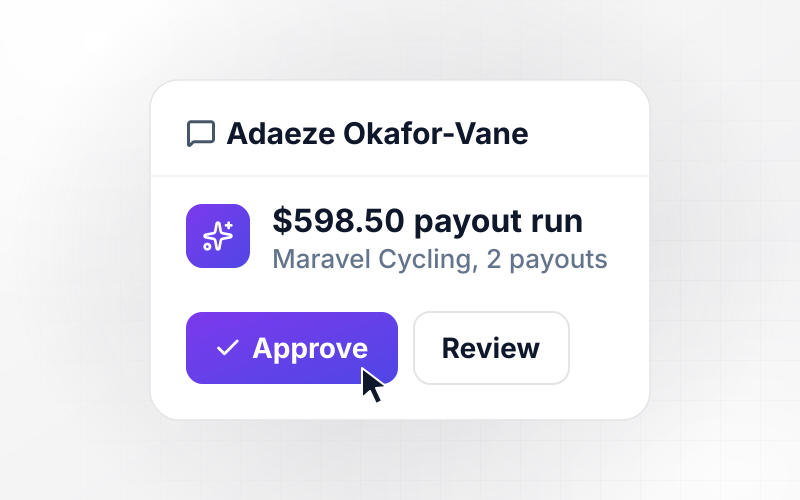
An $8,400,000 warehouse goes from Quentin to Ileana
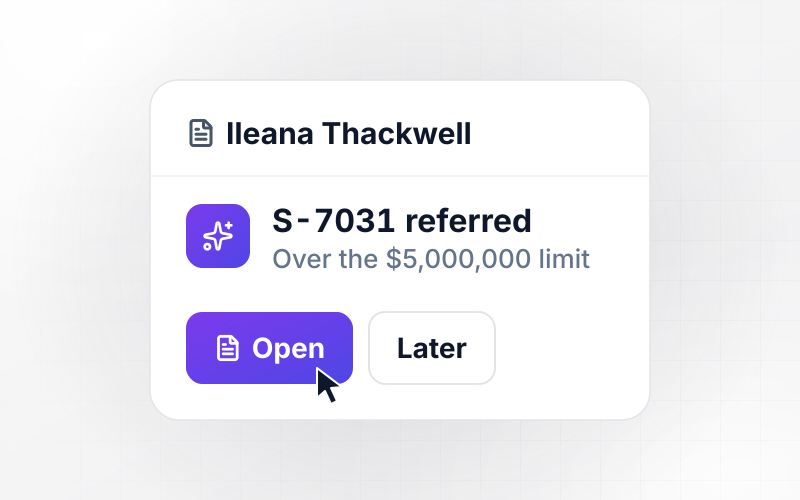
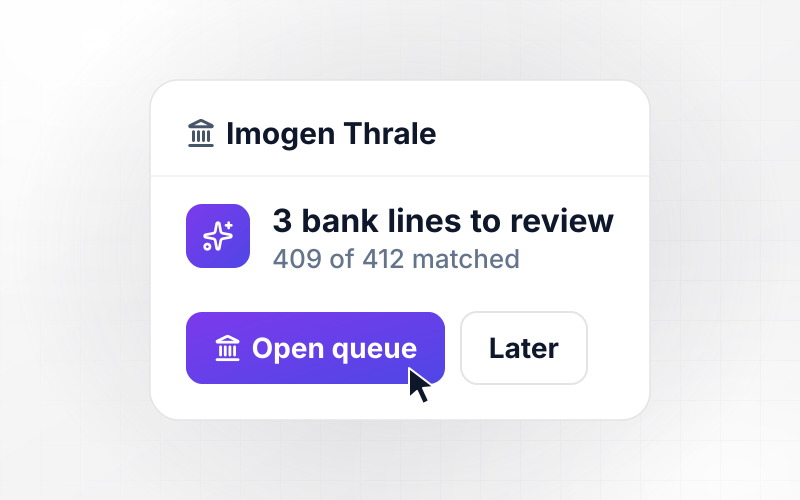
Quentin Pengelly writes property risks at Dunlaverock Mutual up to $5,000,000 in total insured value. Submission S-7031, a cold-storage warehouse, comes in at $8,400,000, so the app refers it to senior underwriter Ileana Thackwell. Her alert carries only the submission number, the limit passed, and a link.
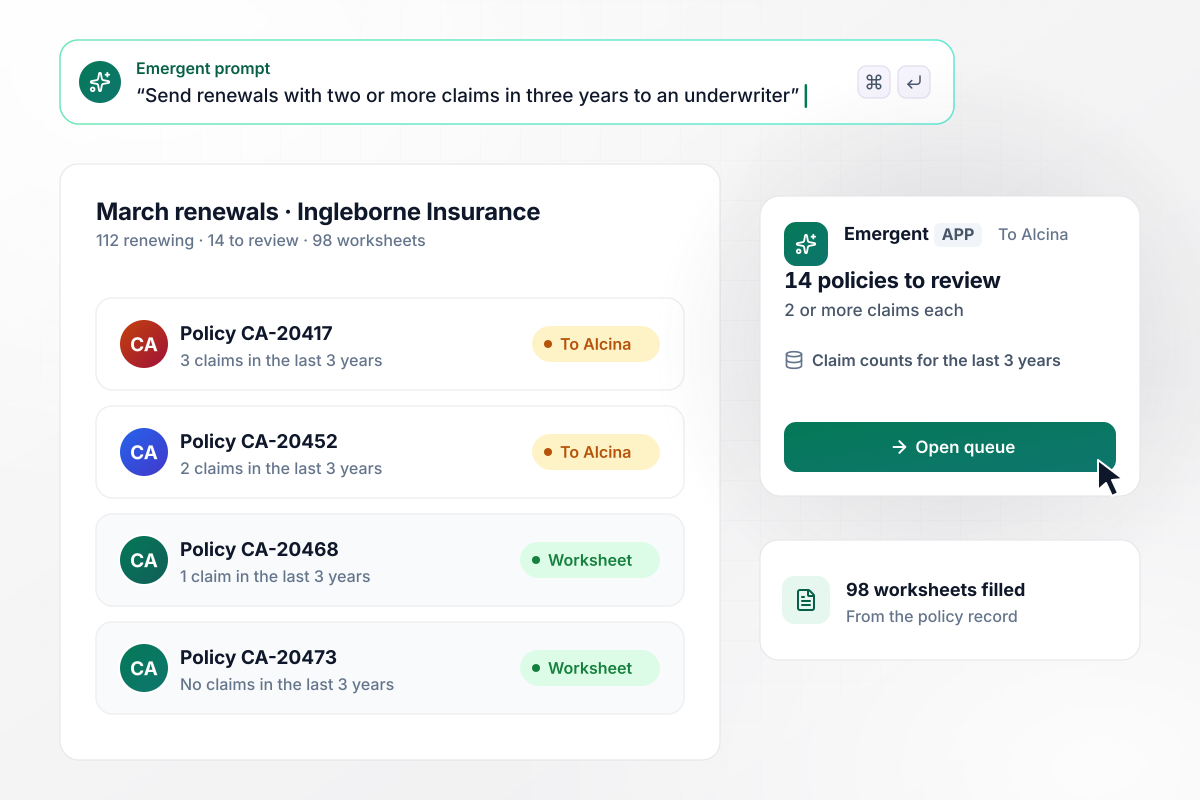
Of 112 renewals, the 14 with two or more claims go to Alcina
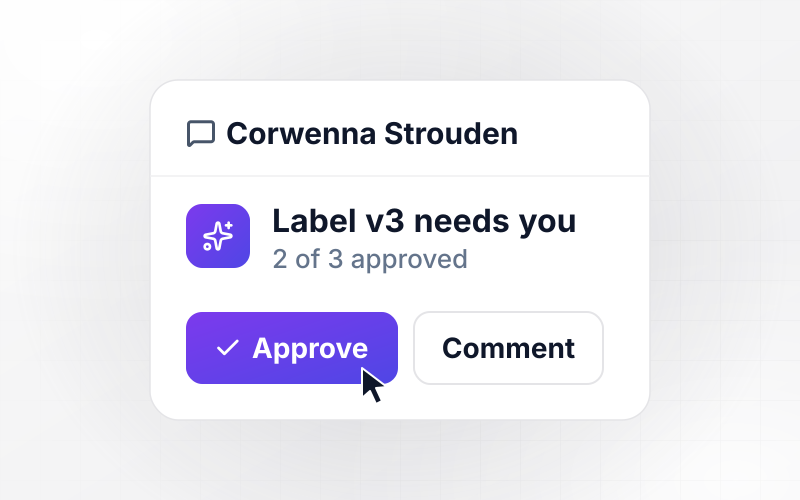
Ingleborne Insurance has 112 commercial auto policies renewing in March. The app pulls each policy's claim count for the last three years from the claims system. The 14 policies with two or more go to underwriter Alcina Polglase for a full review. The other 98 get a renewal worksheet filled from the policy record.
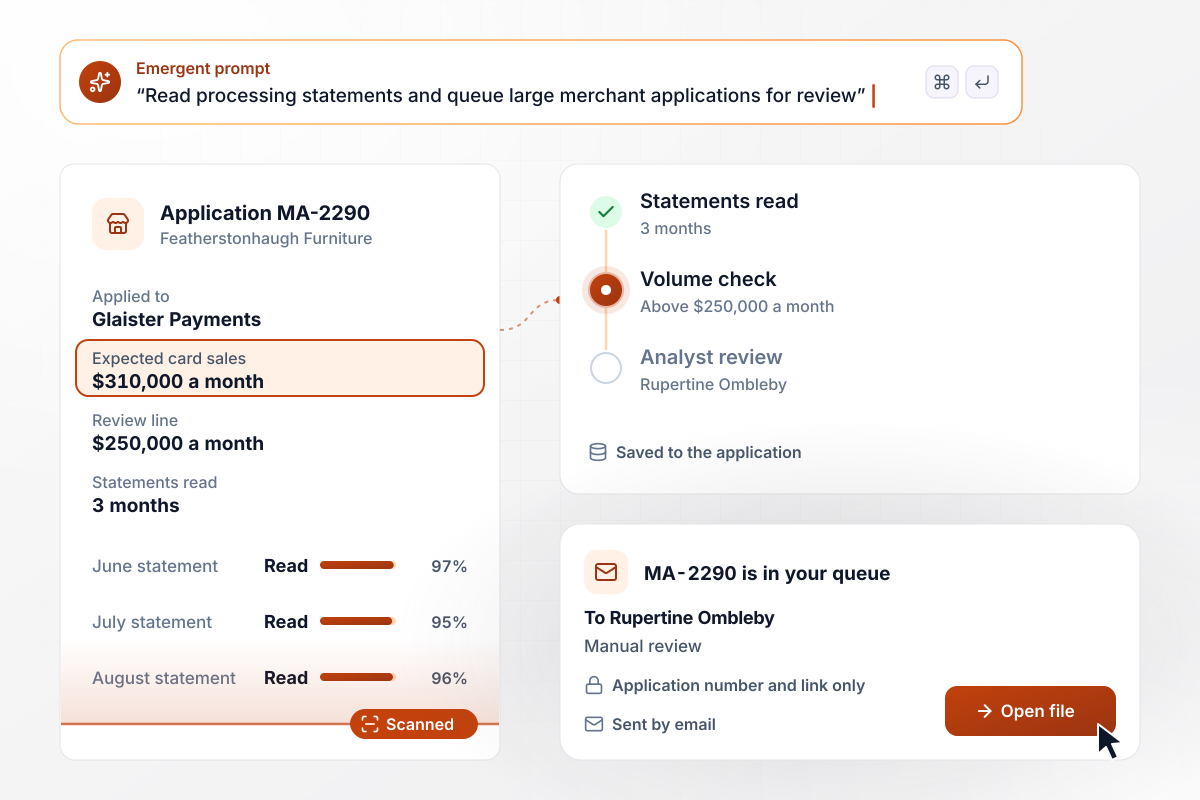
Rupertine opens the file when sales top $250,000
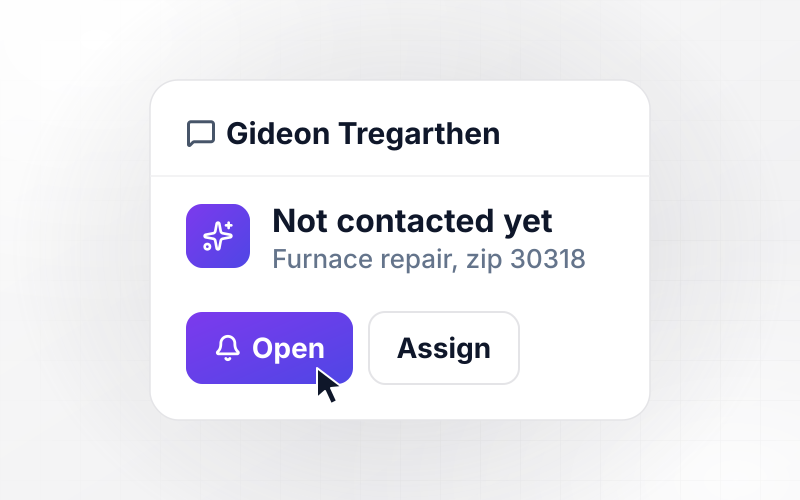
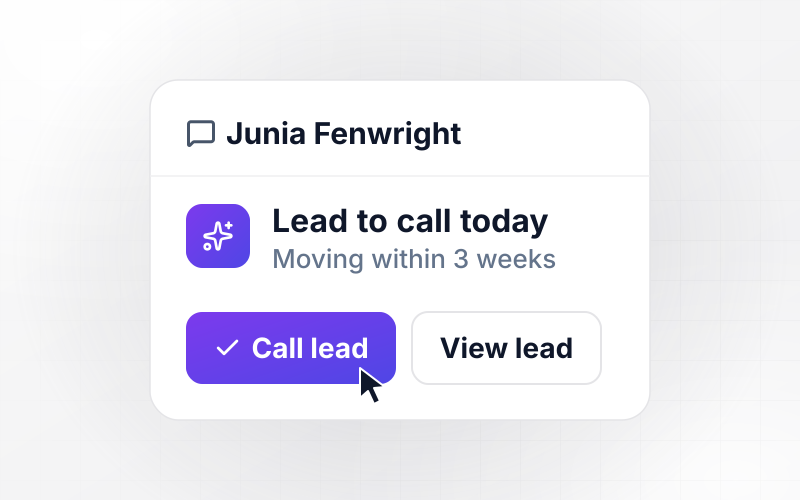
Featherstonhaugh Furniture applies to Glaister Payments for card processing, expecting $310,000 a month in card sales. Glaister reviews any application above $250,000 a month. The app reads 3 months of processing statements into application MA-2290 and emails analyst Rupertine Ombleby its number and a link.






How to Build Underwriting Automation
Seven steps to turn your guidelines into underwriting automation with clear referral rules, then build and test it with Emergent.
Collect the rules your underwriters apply today: the classes you write and decline, each underwriter's authority limit, and the documents each line of business needs. Your underwriting manager owns this list, and every rule becomes a check the app runs or a referral it makes.
Choose a single desk, such as submission intake or renewals, and count how many files it handled last month. A narrow first build is easier to test against real outcomes, and the other desks can follow once its rules hold up.
Tell Emergent what arrives, what the app should read from it, which rules apply, and who gets each file. Emergent builds the intake screens and review queues from that description, and you change any part later by prompting again.
Connect the mailbox where brokers send submissions. Then connect the system that holds your policies and claims, so that history reaches each file through its API. Rating tools and data services you already pay for connect the same way.
Sit down with your compliance team and list the fields an alert is allowed to carry. A good default is the file number, the rule name, and a link. Financial and health details about an applicant stay in the app, inside the file.
Mark which outcomes the app may set by itself, such as flagging a file as incomplete, and which always wait for an underwriter, such as a quote or a decline. Each decision is saved with the name of the person who made it.
Before live files arrive, replay 20 past submissions with known outcomes: clean ones, a missing document, a file over a limit, a renewal with claims. Compare each result with what your underwriters decided, and adjust the rules by prompting until they match.
Why Build Underwriting Automation on Emergent?
Emergent builds the submission database and every review queue as one app from a prompt, with no task cap.

|
Zapier | Make (Integromat) | n8n | |
|---|---|---|---|---|
| How you build | Prompt for the workflow and the app around it | Templates and editor, AI copilot | Visual canvas | Visual canvas, self-hosted or cloud |
| What you get | Workflow + trigger form + database + dashboard, as code you own | Zaps, plus Tables and Interfaces inside Zapier | Scenarios inside Make | Workflows inside n8n |
| Behavior at cap | Keeps running, no task cap | Overage billed at up to 1.25× the base rate | Runs pause | Cloud workflows stop until the reset or an upgrade |
| AI and agent steps | Native, share the same credit pool | Priced by model tier, drawn from the task pool | AI modules cost variable credits | Bring your own model API key, billed by the provider |
| Code ownership | Full code export to GitHub on paid plans | None | None | Yes on Community Edition |



Pick the Pricing Plan That Works for You
Choose the plan that fits your building ambitions. From weekend projects to enterprise applications, we've got you covered.




Find the right workflow automation
for you and your business
Frequently Asked Questions
Your Questions, Answered
Don't change this element unless you know what you are doing
More things you can build
with Emergent
on Emergent today


