

Build a Vendor Management Workflow That Keeps Vendors Current
Build a vendor management workflow that tracks each vendor's reviews and insurance in a database you own.
Build a vendor management workflow that runs on its own and logs every step.
Trusted by Builders Worldwide
Active Builders Worldwide
Apps Successfully Created
Countries Globally Reached



What Emergent Builds Into the Workflow
Every part writes to the same vendor record, so an owner sees a vendor's whole history on one screen.
One register, one owner per vendor
Emergent builds the register from your prompt. Each vendor carries a risk tier, a named owner, a next review date, and its files, and the register lives in a database you own.
Expiry dates read from each certificate
Upload a certificate of insurance and the app reads the policy end date into the vendor's record with AI. A date it cannot read with confidence goes to a person to confirm.
Reminders that escalate on your schedule
The app emails the vendor's contact before a document lapses and sends the owner a Slack alert as the deadline gets close. You pick the number of days for each step.
Scorecards built from your delivery records
Point the app at the orders you already log, and a live dashboard shows each vendor's on-time rate by quarter. Vendors below the target you set are flagged for their owner.
Vendor status kept in step with your ledger
Connect QuickBooks, Xero, or NetSuite through their APIs. The app syncs vendor records in and out, so a vendor you mark inactive shows the same status in both places.
The workflow's code, in your GitHub
Export the full code of the vendor workflow to your GitHub repository on paid plans. Anyone can then read how each review date is set and extend the rules like any codebase.
Four Vendor Jobs the App Runs for You
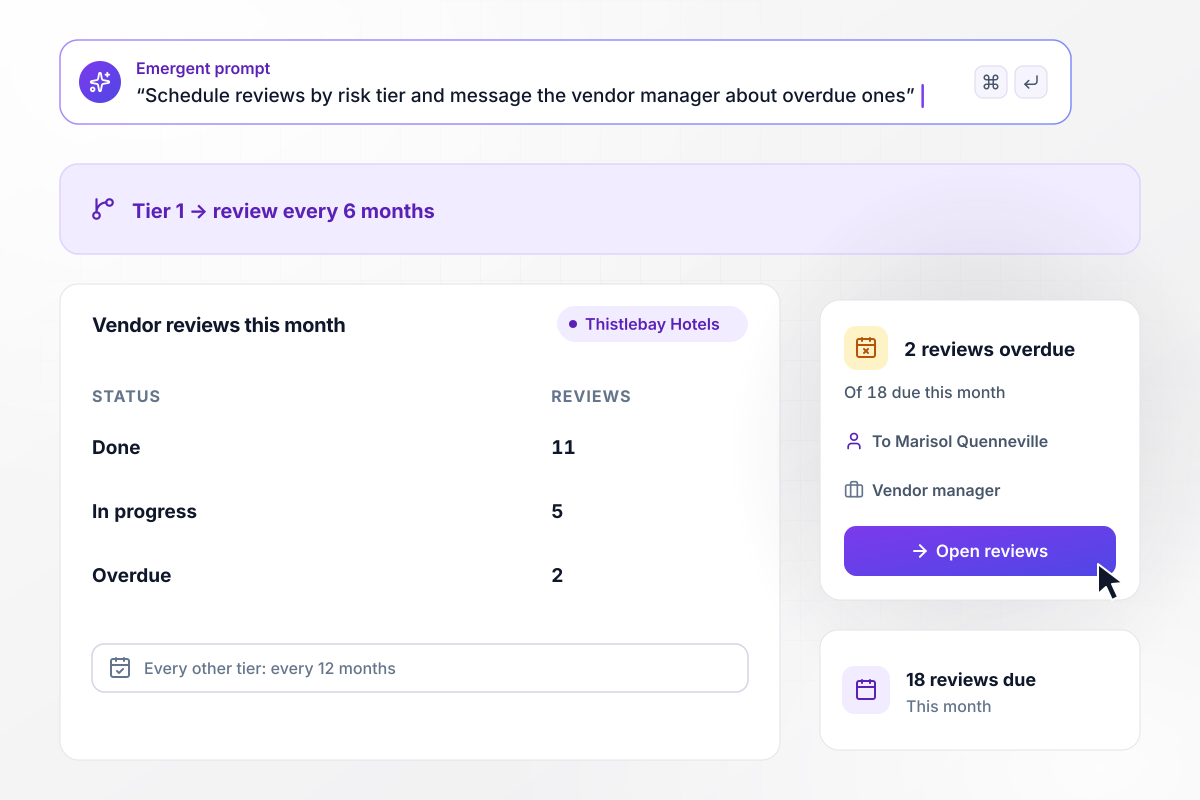
Every 6 months for tier 1, every 12 for the rest
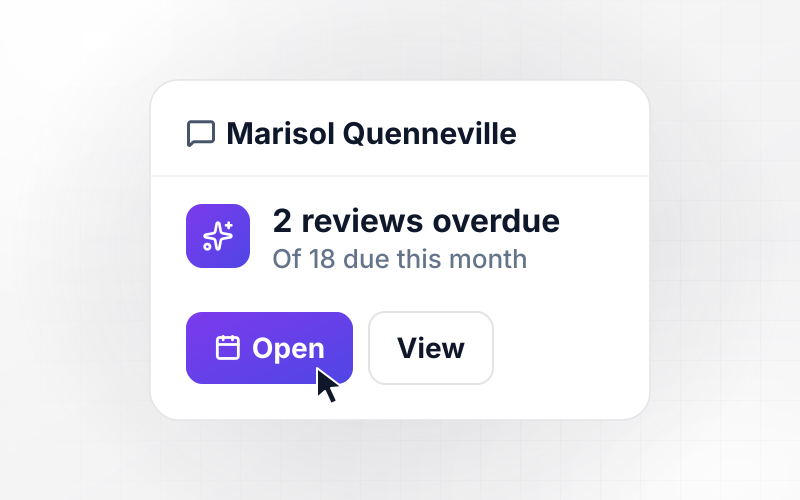
Thistlebay Hotels sorts its vendors into risk tiers. Tier 1 vendors come up for review every 6 months, and the rest every 12 months. This month 18 reviews came due: 11 are done and 5 are in progress with their owners. The 2 overdue reviews went to Marisol Quenneville, the vendor manager, by direct message.
window.awbMockup = { reviewDates: "Build a vendor review calendar for my hotel group. Give each vendor a risk tier and an owner. Schedule a review every 6 months for tier 1 vendors and every 12 months for the rest. Show this month's reviews as done, in progress, or overdue, and send the vendor manager a direct message for each overdue review.", insuranceCertificates: "Build an insurance tracker for my property management company. Each maintenance vendor uploads a certificate of insurance, and the app reads its expiry date. Email the vendor's contact 30 days before expiry to ask for a new certificate. If nothing is uploaded with 7 days left, put the vendor on hold for new work orders and send the operations lead a direct message.", deliveryScores: "Build a quarterly scorecard for the produce vendors that supply my restaurant kitchens. Count each vendor's orders delivered on time and late, and split late orders into under 2 hours and more than 2 hours. Email the scorecard to any vendor under a 95% on-time target, and send the kitchen manager a direct message.", vendorExits: "Build an offboarding checklist for my logistics company that starts when a vendor is marked inactive. Remove the vendor from the approved vendor list, archive its documents, and give IT a task to remove its system logins. Close the offboarding when IT confirms the logins are gone." };
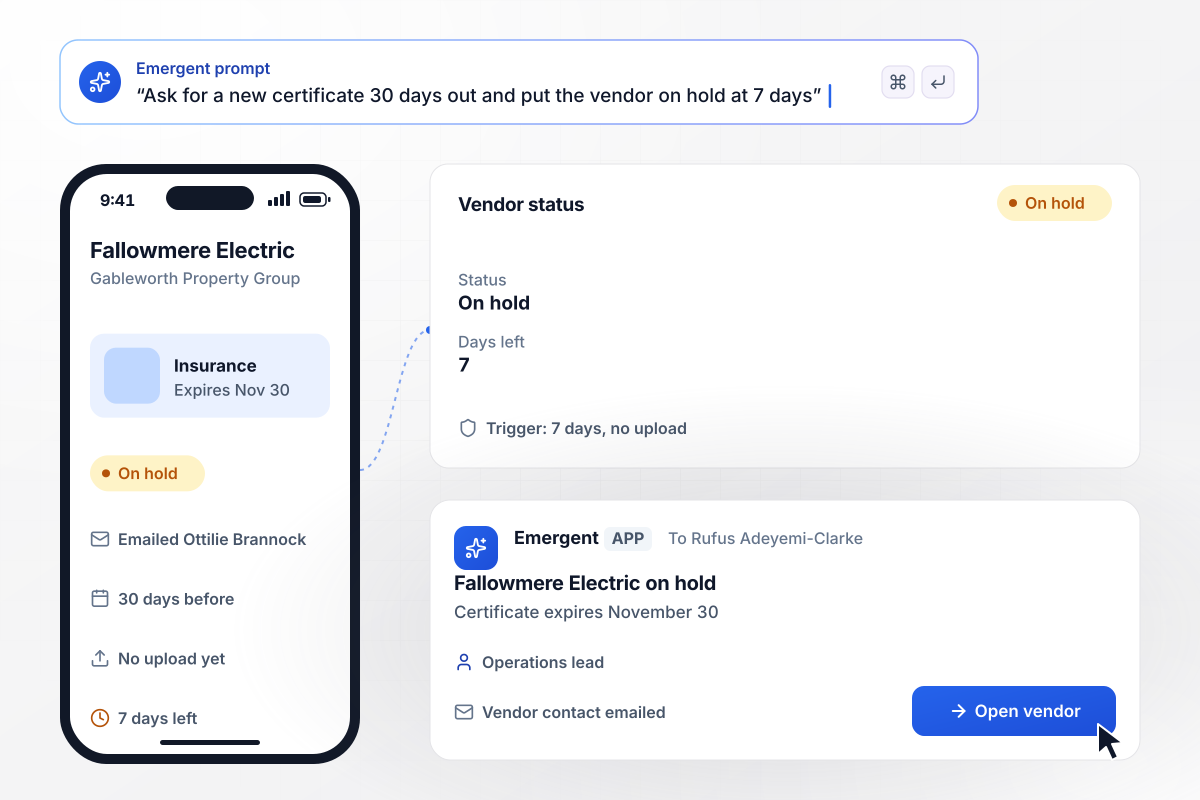
With 7 days left, the vendor goes on hold
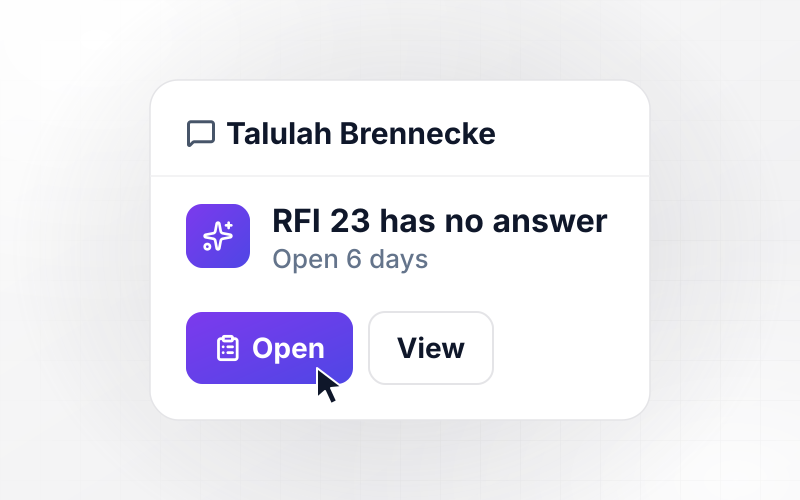
Gableworth Property Group needs a current certificate of insurance from each vendor. Fallowmere Electric's expires on November 30, and the app emailed Ottilie Brannock 30 days before. With 7 days left and no upload, Fallowmere went on hold, and Rufus Adeyemi-Clarke, the operations lead, got a direct message.
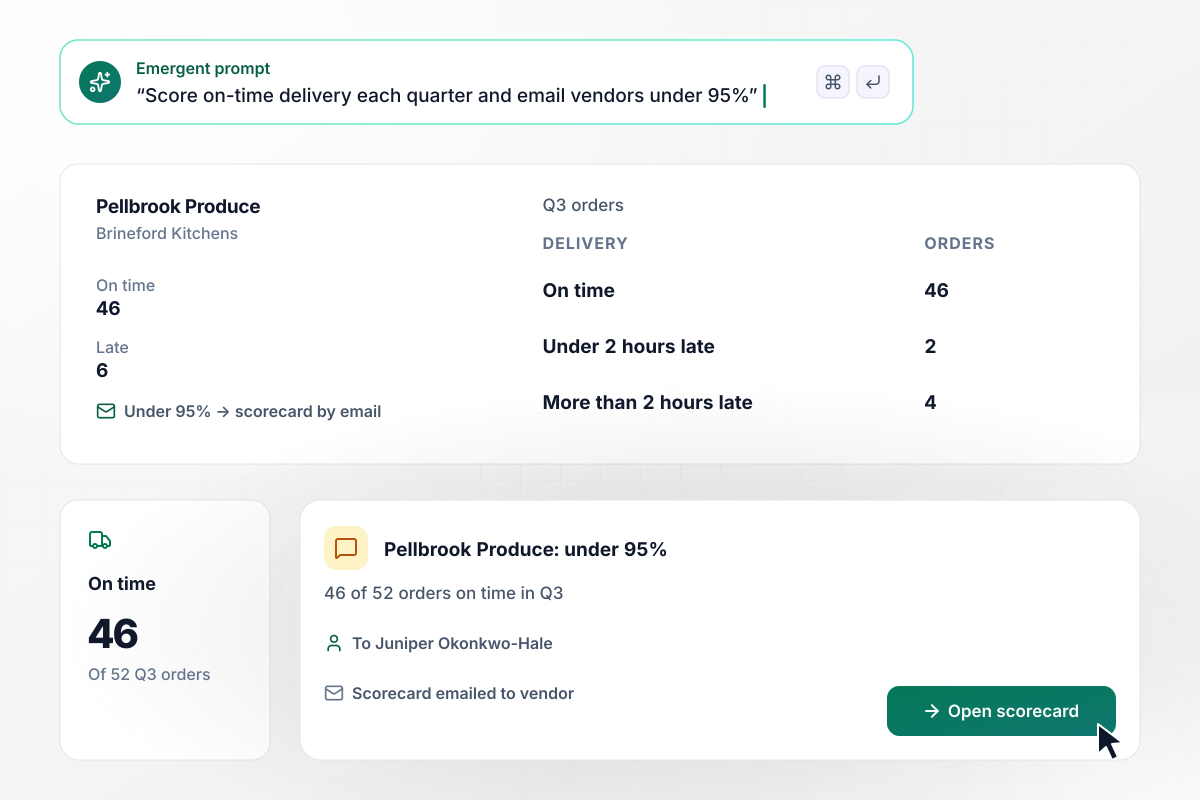
Pellbrook Produce misses its target with 6 late orders
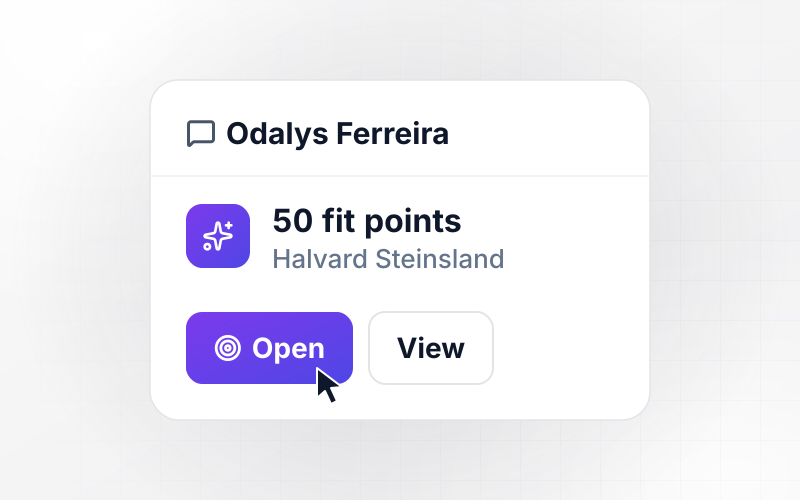
Brineford Kitchens scores produce vendors on delivery each quarter. In Q3, Pellbrook Produce delivered 46 of 52 orders on time. Of the 6 late, 2 were under 2 hours late and 4 more than 2 hours. Under 95% on time means a scorecard by email for Pellbrook and a message to Juniper Okonkwo-Hale, the kitchen manager.
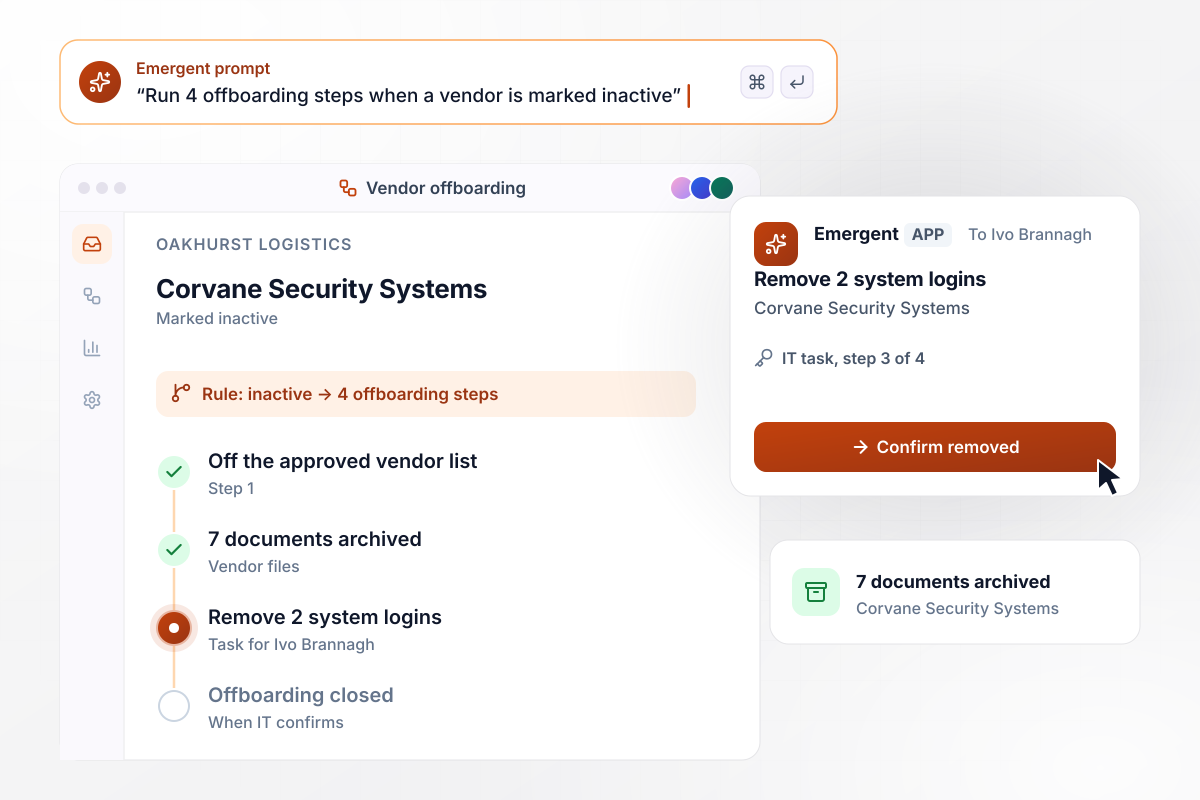
Corvane leaves the approved list before its logins close
When Oakhurst Logistics marks Corvane Security Systems inactive, the app runs 4 offboarding steps. It takes Corvane off the approved vendor list and archives its 7 documents. Ivo Brannagh in IT then gets a task to remove its 2 system logins, and the offboarding closes when he confirms.






How to Build a Vendor Management Workflow
Seven steps to set the tiers and rules of a vendor management workflow, then build and test it with Emergent.
Pull every active vendor out of your accounting system into one sheet and write a single owner next to each name. A vendor with no owner is the first gap to close, because nobody will act on its reminders.
Put the vendors you could not run a week without in tier 1, and decide how often each tier gets reviewed. A 6-month cycle for tier 1 and a yearly one for everyone else is a sound place to start.
Write down which documents you hold on file for each tier, such as a certificate of insurance or a signed security questionnaire. Next to each one, note the minimum coverage or the latest version you accept.
Choose how many days before expiry the vendor is asked for a new document, when its owner hears about it, and when the vendor goes on hold. Write each rule with its exact number of days.
Choose 2 measures you already record and can count without debate. Give each one a target, and decide who sees a vendor's scorecard when it falls short of that target.
Put the tiers, rules, and targets into one prompt. Emergent builds the register, the reminders, and the scorecard dashboard, and you change any rule later by prompting again.
Load 5 real vendors with known dates, including one whose certificate has already expired. Check that each reminder and each hold lands on the day you expect before you add the rest.
Why Build Vendor Management on Emergent?
Emergent builds the vendor register and the scorecard dashboard as one app from a prompt, and the workflow runs with no cap on tasks.

|
Zapier | Make (Integromat) | n8n | |
|---|---|---|---|---|
| How you build | Prompt for the workflow and the app around it | Templates and editor, AI copilot | Visual canvas | Visual canvas, self-hosted or cloud |
| What you get | Workflow + trigger form + database + dashboard, as code you own | Zaps, plus Tables and Interfaces inside Zapier | Scenarios inside Make | Workflows inside n8n |
| Behavior at cap | Keeps running, no task cap | Overage billed at up to 1.25× the base rate | Runs pause | Cloud workflows stop until the reset or an upgrade |
| AI and agent steps | Native, share the same credit pool | Priced by model tier, drawn from the task pool | AI modules cost variable credits | Bring your own model API key, billed by the provider |
| Code ownership | Full code export to GitHub on paid plans | None | None | Yes on Community Edition |


Pick the Pricing Plan That Works for You
Choose the plan that fits your building ambitions. From weekend projects to enterprise applications, we've got you covered.




Find the right workflow automation
for you and your business
Frequently Asked Questions
Your Questions, Answered
Don't change this element unless you know what you are doing
More things you can build
with Emergent



on Emergent today




